
Last updated November 16, 2026
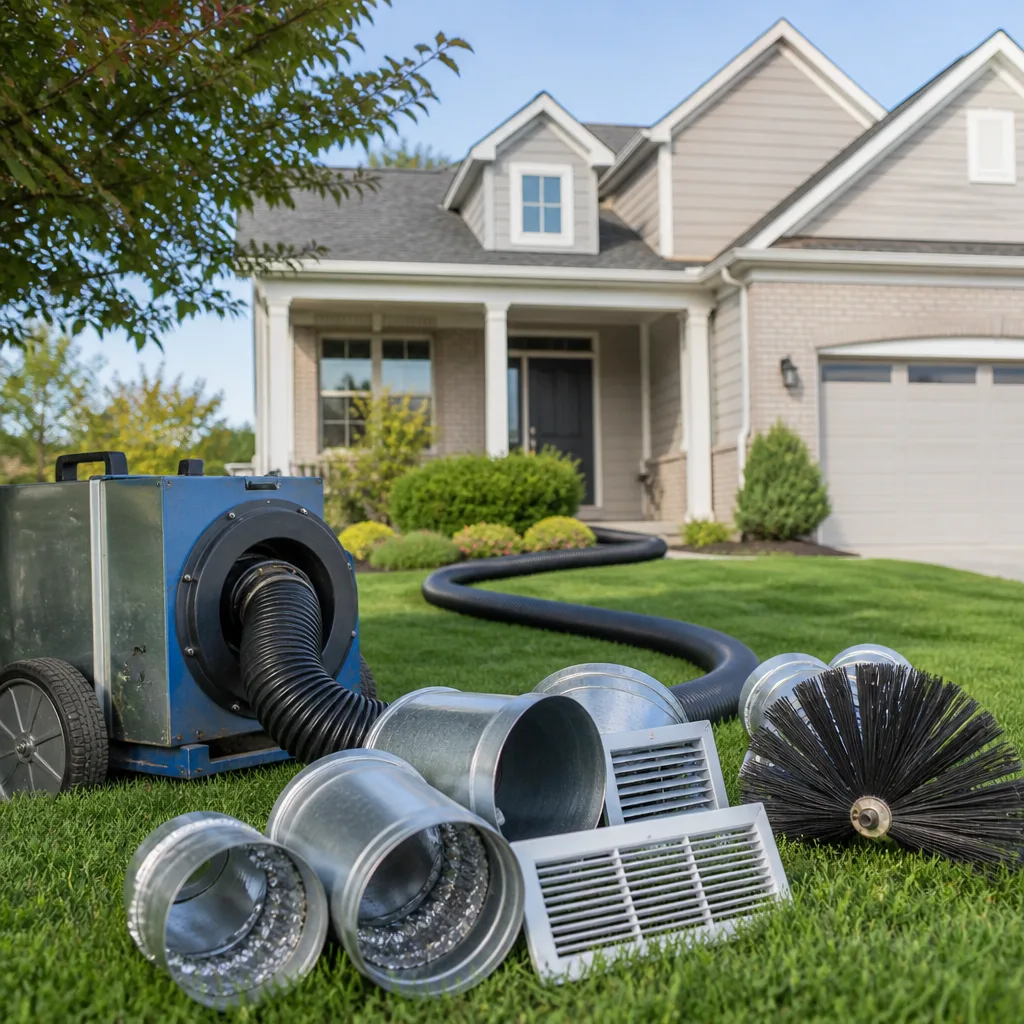 Whole-home duct cleaning
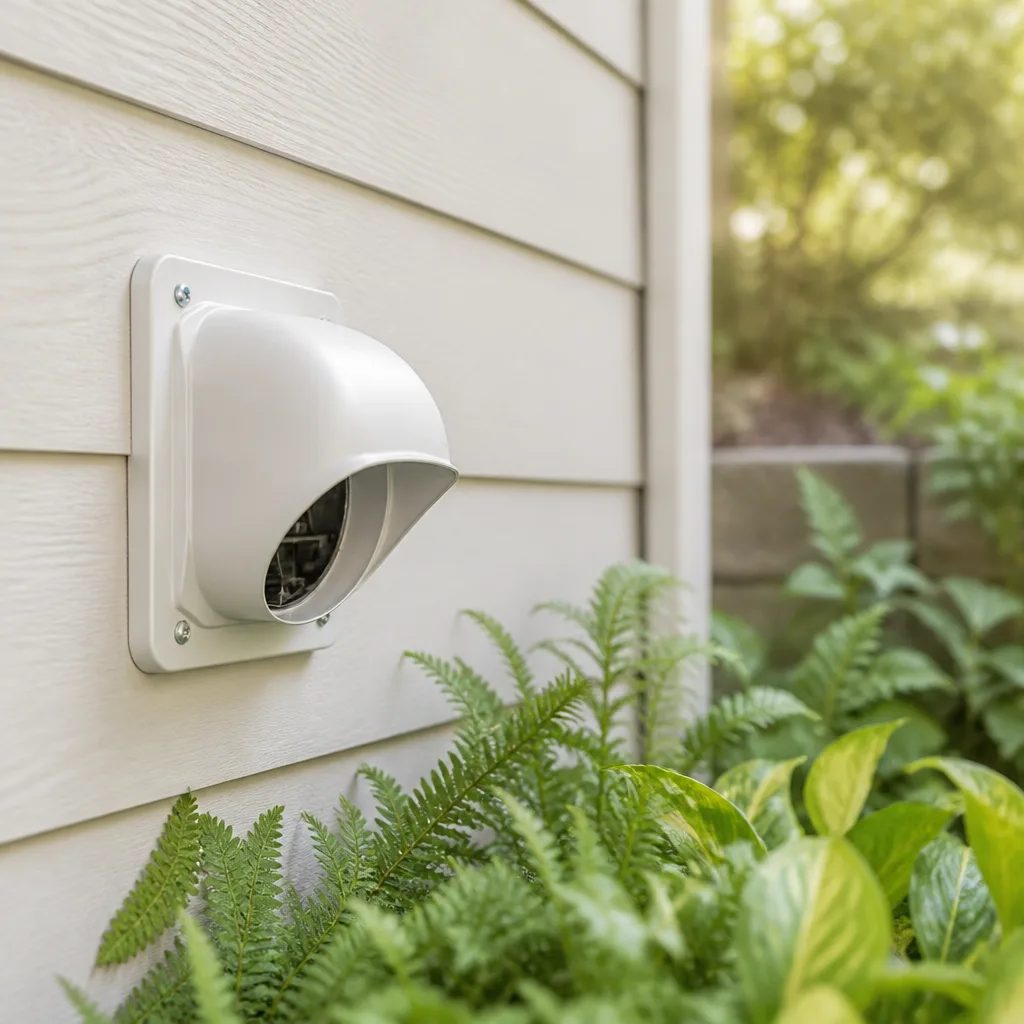 Dryer vent cleaning
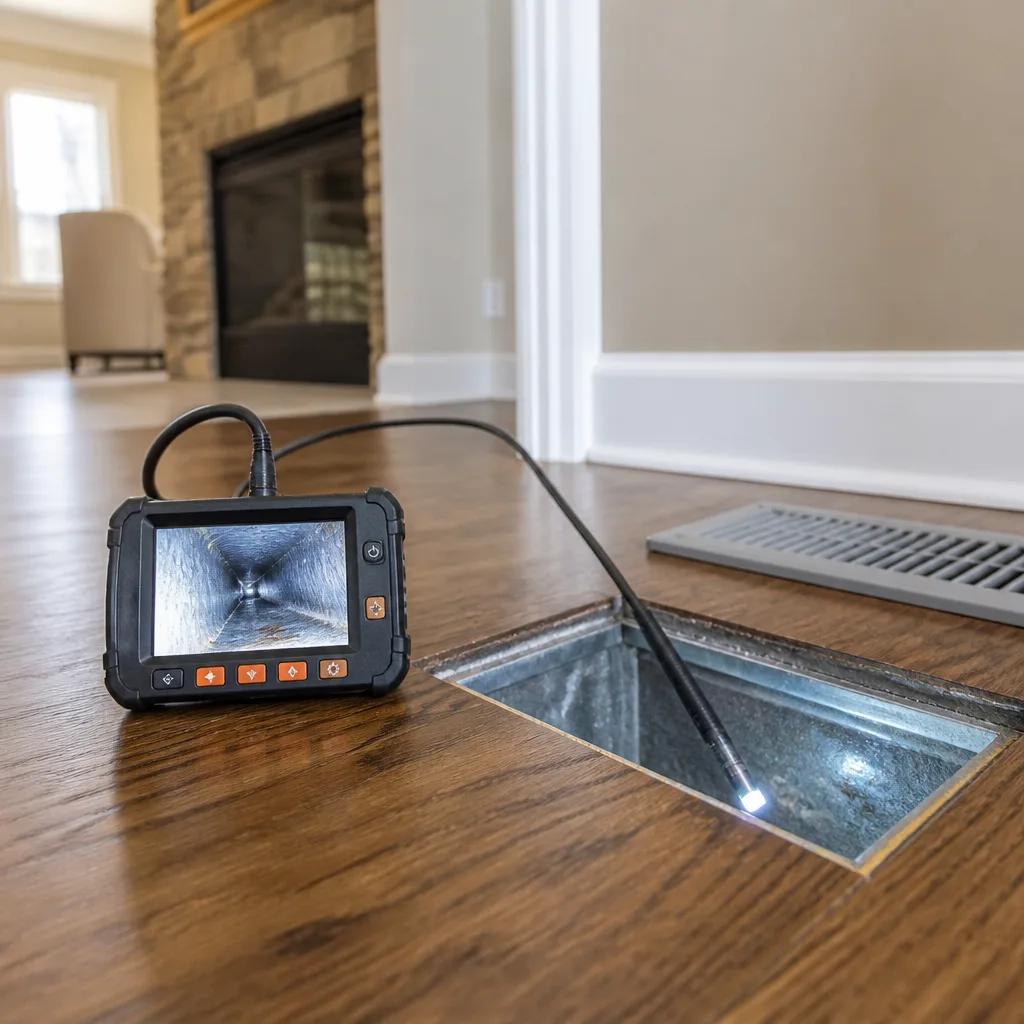 Camera inspection
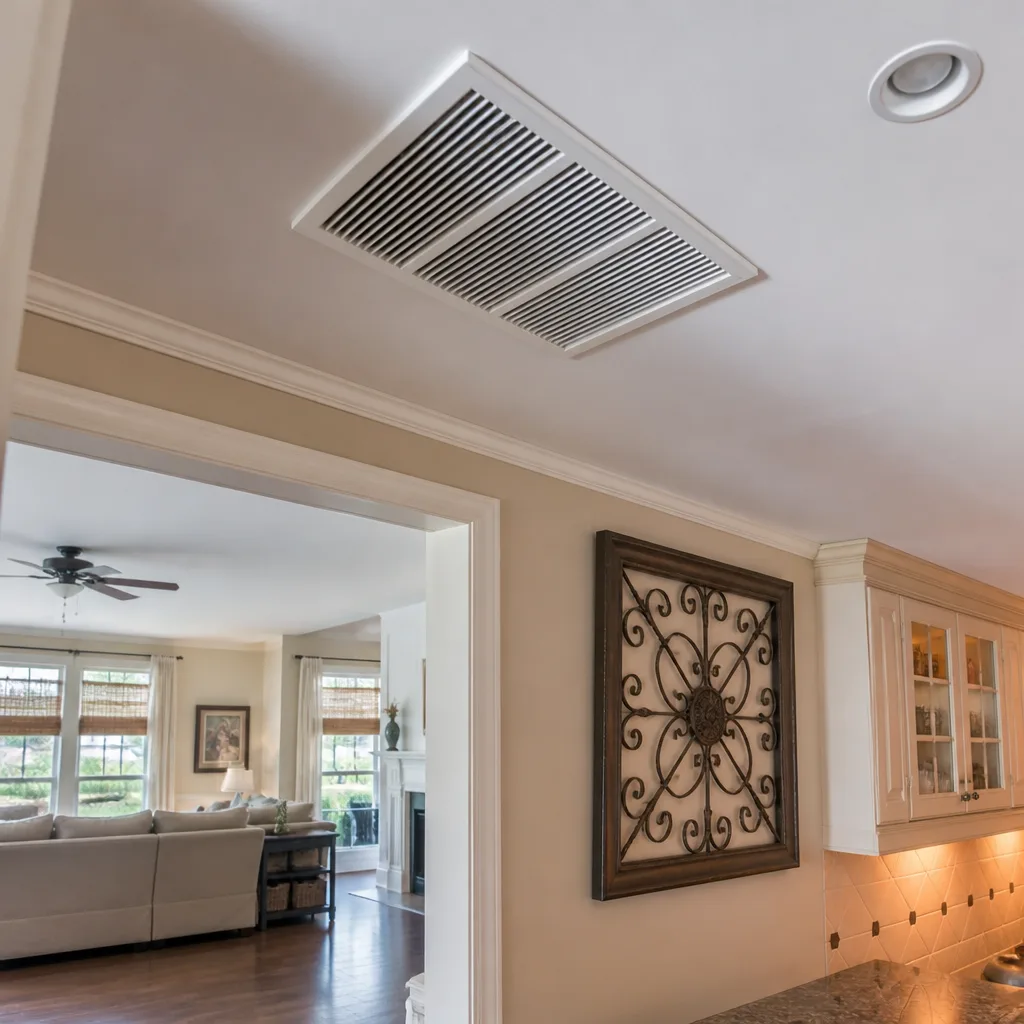 Sanitizing & deodorizing
Whole-system duct and dryer vent check with before-and-after photos - you see exactly what came out of your vents
That "$99 whole-house special" is a bait ad - the real number appears once they are in your hallway, or the "clean" is a shop-vac at the register. We photograph the inside of your ducts before and after instead.
The Complete Guide to Air Duct Cleaning in Murfreesboro
Most air duct cleaning advice you’ll find online was written for a house that doesn’t exist here. It assumes a mild climate, a simple trunk-and-branch layout, and construction that followed a consistent standard. Murfreesboro doesn’t fit that mold. One of the fastest-growing cities in the country, it added enormous amounts of housing during construction booms when builders raced timelines and duct quality came second to speed. That means a lot of Murfreesboro homes carry contamination profiles that generic guides never mention. This guide maps the actual process to the housing stock, construction eras, and Middle Tennessee humidity that shape how duct work really goes here. You’ll learn what a thorough job looks like, what equipment proves it, and what documentation to demand before you pay anyone.
Quick Answer
Air duct cleaning in Murfreesboro is a contained, source-removal process: professional-grade rotary-brush agitation paired with HEPA negative-air filtration that pulls dislodged debris out of the system instead of blowing it into your living space. A thorough job on a typical Murfreesboro home includes a system inspection, cleaning of the supply and return runs plus the air handler, and before-and-after documentation. Middle Tennessee’s humid summers make post-cleaning moisture management and filtration an important follow-up step, and homes built during the 2000s-2020s growth booms often need repair work alongside cleaning because of flexible-duct layout issues.
Styles & brands we work with
- Whole-home duct cleaning
- Dryer vent cleaning
- Camera inspection
- Sanitizing & deodorizing
Table of Contents
- Why Murfreesboro Ducts Are Different
- What Professional-Grade Equipment Actually Does
- Inspection vs. Cleaning vs. Sanitization
- Middle Tennessee Humidity and Moisture Management
- The Step-by-Step Cleaning Process
- When Cleaning Isn’t Enough: Duct Repair
- Dryer Vent Cleaning as Fire Safety
- The Paper Trail of a Legitimate Job
Why Murfreesboro Ducts Are Different
Murfreesboro’s housing inventory is a patchwork of eras, and each era leaves a different contamination signature. The city’s rapid expansion pushed builders to complete thousands of homes on tight schedules, and in production housing, duct design often gets value-engineered: longer flexible-duct runs, tighter turns, and junctions that weren’t built for easy cleaning access. Those layouts collect debris in ways a straight, generously sized trunk line never does.
Homes built during the 2000s through the 2020s tend to share a few traits. Many are slab-on-grade construction, meaning the duct system runs overhead in the attic rather than below the floor. Attic ductwork in Tennessee faces extreme swing – brutal summer heat above the ceiling and cold winters below it – which stresses flexible duct and the connections between sections. That stress is where disconnections and small breaches appear, and a breach doesn’t just waste conditioned air. It draws attic air, insulation fibers, and dust into the supply stream.
Older Murfreesboro neighborhoods present the opposite problem. Houses from earlier decades often have rigid metal ductwork with decades of settled debris, and in some cases the original layout has been modified as additions and HVAC replacements stacked up. What matters in both cases is the same: a cleaning plan built around the actual system in front of you, not a checkbox that says “clean ducts.”
- Growth-era homes (2000s-2020s): overhead attic runs, flexible duct, layout complexity, higher likelihood of loose joints and kinks.
- Older homes: rigid metal systems with heavy settled debris and possible past modifications.
- Mixed renovations: additions that spliced new duct into old, leaving transitions that collect debris.
- Property-management turnover: rental units where the system has been run hard with little filter discipline.
What Professional-Grade Equipment Actually Does
This is where a real duct cleaning separates from a shop-vac visit, and it’s the first question a skeptical homeowner should ask. The difference isn’t marketing – it’s airflow, filtration, and containment. Professional systems move enough air and filter it well enough to actually remove what the brush loosens, then keep it out of your breathing space.
Our equipment is the same tier HVAC and remediation contractors use. Rotobrush rotary-brush systems agitate debris off duct walls with a spinning brush head driven through each run, which is essential because settled dust clings to surfaces; suction alone skims the top layer. Nikro cleaning units provide the high-volume vacuum source that carries the loosened material to a collection point. The critical companion piece is containment: Abatement Technologies HEPA filtration and negative-air containment hold the workspace under pressure so dislodged contaminants are captured rather than redistributed through the house.
- Containment first: negative-air setup means air flows into the work zone and through HEPA filters, not out into your rooms.
- Agitation + extraction: rotary brush loosens wall-adhered debris; the vacuum source carries it away.
- HEPA-level filtration: fine particulate is trapped rather than recirculated.
- Whole-system coverage: supply runs, return runs, and the air handler – not just the grilles you can see.
Consumer-grade vacuums and “blow-and-go” methods fail on all four fronts. They can’t agitate, they can’t contain, and they can’t filter fine particles. When a quote sounds unusually cheap, that gap is usually where the savings come from. Around Murfreesboro and the neighboring communities we work in, including Nolensville, the tool question is the fastest way to tell a specialist from a generalist who added duct cleaning to a menu.
Inspection vs. Cleaning vs. Sanitization
These three words get mixed together, and that confusion is how homeowners end up paying for the wrong thing. They’re separate steps with separate purposes, and in most Murfreesboro homes only some of them are warranted at any given time.
Inspection is the diagnostic. It means opening access points, running a camera or physically examining the interior of runs, checking for breaches and disconnected sections, and looking at the air handler and coil area. Inspection tells you whether cleaning is even needed and whether repair will be required first. A breach discovered during inspection changes the plan – you can’t clean a system that’s open to the attic.
Cleaning is the source-removal work described above: agitation, extraction, and containment across supply, return, and air handler. This is what most people mean when they book air duct cleaning, and it’s the core of the service.
Sanitization is an optional application applied after cleaning, and it only makes sense on a clean system. Applying a treatment over a dirty duct just seals debris in place. In Murfreesboro it’s most relevant when there’s been moisture intrusion or an odor problem that inspection confirms, not as a default add-on. If someone leads with sanitization before they’ve inspected anything, that’s a signal the process is backwards.
- Inspect – confirm condition, airflow, breaches, and debris load.
- Repair if needed – seal or reconnect before any cleaning begins.
- Clean – agitate and extract with containment running.
- Consider sanitization – only on a verified-clean system, only if warranted.
- Document and follow up – before-and-after imagery and filtration recommendations.
Middle Tennessee Humidity and Moisture Management
From May through September, Middle Tennessee runs humid, and that has a direct effect on duct health most national guides skip entirely. Moisture is what turns settled dust into something else: a food source for biological growth. A dusty but dry duct is a nuisance. A dusty duct with condensation on its interior surfaces is a different situation, and it’s why cleaning alone doesn’t always solve what a homeowner is experiencing.
In Murfreesboro, the humidity problem usually shows up in specific places. Attic ductwork in growth-era homes sits inside a hot, humid envelope for months at a time, which is a recipe for condensation on cold surfaces during the cooling season. Poorly sealed runs in that environment pull humid attic air into the supply stream. Leaky returns in a conditioned space can do the same by drawing from unconditioned zones.
That’s why post-cleaning moisture management is a distinct step, not an afterthought. After the system is clean, the follow-up work is about keeping it that way: sealing breaches so humid air stops getting in, verifying condensate handling at the air handler, and choosing filtration that fits the system’s airflow. We source air-quality products from Honeywell, Aprilaire, and Guardsman for exactly this stage – filtration and sealing solutions that extend the value of the cleaning instead of letting a clean system quietly re-contaminate through the humid season.
- Watch for: musty odors that return shortly after cleaning, condensation or staining near the air handler, and rooms that feel clammy despite the AC running.
- Ask about: how the technician plans to address moisture – sealing, filtration, and airflow checks – after the cleaning is done.
- Understand: duct cleaning doesn’t fix a humidity problem by itself; it removes the debris that moisture feeds on, and sealing and filtration keep the moisture from doing it again.
The Step-by-Step Cleaning Process
A legitimate job follows a predictable sequence, and knowing it lets you judge whether the crew in your Murfreesboro home is actually working or just going through the motions. Here’s how a thorough cleaning proceeds from arrival to documentation.
- Walkthrough and system inspection. Locate the air handler, map the supply and return runs, check access points, and look for breaches, disconnected sections, or collapsed duct. Confirm the plan before any equipment comes in.
- Set up containment. Deploy Abatement Technologies negative-air containment and HEPA filtration so the work zone is under negative pressure and dislodged material is captured, not released.
- Protect the living space. Cover flooring and furnishings along the work path, and seal registers not in active use.
- Clean the air handler and coil area. This is the heart of the system; debris here gets pushed through every run if it’s left.
- Run each duct. Feed the Rotobrush rotary brush through the supply runs and returns, agitating wall-adhered debris while the Nikro unit draws it away under containment.
- Clean registers, grilles, and diffusers. Remove, wash, and reinstall – the visible grilles are only a fraction of the work, but they should come out.
- Verify airflow and re-seal. Confirm no disconnections were created or missed, close access points properly, and reseal what needs sealing.
- Document. Capture before-and-after imagery of the interior of the system and note the filter spec installed.
The whole process runs longer than a quick vacuum pass, and it should. If a crew is done in twenty minutes, they didn’t touch every run. If your home is in the Murfreesboro area and you’re curious about what the scope looks like for your specific layout, Laurel Air Duct is the specialist to start with.
When Cleaning Isn’t Enough: Duct Repair
In a significant share of Murfreesboro homes – especially those built during the growth years – the honest answer to “will cleaning fix this” is no, because the system has a structural problem that cleaning can’t touch. A breach, a disconnected joint, or a collapsed flexible run means the ducts are open to unconditioned space. You can clean it perfectly, and it’ll pull the same attic air and debris back in the next time the system runs.
Duct repair is a separate service from cleaning, and it belongs in the same visit plan. What it covers in a typical home:
- Breaches and small tears in flexible duct or at metal seams that admit attic or crawlspace air.
- Disconnected sections at fittings and junctions, common where attic heat and settlement work connections loose.
- Collapsed or crushed runs from a kinked or pinched flexible duct, which kills airflow to a room regardless of how much cleaning happens.
- Undersized or overwhelmed connections at the air handler where past modifications left transitions that leak or restrict.
The order matters: repair before cleaning, or at minimum in the same scope of work. Otherwise you’re paying to clean a system that’s open. The phrase that summarizes our approach is simple – we clean it, and if it’s broken, we fix it. One specialist for cleaning, repair, and dryer vent safety means the person who finds the breach is equipped to fix it rather than handing you a second contractor to call. That’s the difference between a generalist company and a dedicated duct-system specialist, and it’s a question worth asking before you book anyone in Murfreesboro.
Dryer Vent Cleaning as Fire Safety
Dryer vent cleaning gets treated as an upsell on too many duct-cleaning menus. It isn’t. The U.S. Fire Administration links clogged dryer vents to thousands of residential fires every year, and that statistic makes vent cleaning a fire-safety service, not a convenience add-on. The lint trap in your dryer only catches a fraction of the lint; the rest travels into the vent run, where it accumulates against the duct walls and at every bend.
In Murfreesboro homes, vent runs tend to be longer than you’d expect. A dryer pushed to an interior wall, common in newer layouts, means a longer run to the exterior – and longer runs with more turns are exactly where lint builds fastest. Flexible or crushed vent duct makes it worse. Regular dryer vent cleaning is the reason to schedule a visit even if your air ducts don’t need attention yet.
- Warning signs: clothes take longer to dry than they used to, the dryer feels hot to the touch, or you notice a burning smell during a cycle.
- What cleaning involves: brushing out the full vent run under containment and verifying airflow at the exterior termination.
- Why it’s included in the specialty: the same contained-extraction equipment and process applies; the vent is just part of the duct system that happens to feed your dryer.
If your vent run is pressed against the back of the dryer behind an interior wall, or you can’t remember the last time it was cleaned, that’s the call to make. Safety comes first, and a clogged vent is one of the few home risks that’s cheap to prevent and dangerous to ignore.
The Paper Trail of a Legitimate Job
You shouldn’t have to take anyone’s word for it that the work was actually done. A legitimate duct cleaning produces documentation, and the absence of it is one of the clearest signals you hired the wrong crew. What to expect:
- Before-and-after imagery of the interior of your ducts and the air handler. Access points let a camera see inside; good crews photograph the same runs before and after so the change is verifiable.
- Filter specification noted for what was installed on-site, so you know what to buy for replacement and don’t get talked into the wrong MERV rating for your system’s airflow.
- A written scope of work showing what was cleaned (supply runs, returns, air handler, grilles) and whether repair was included.
- Blower door and airflow baselines where the scope calls for them, giving you a before-and-after reference for how the system is moving air rather than just a photograph of a clean duct.
- Notes on any breaches found and whether they were repaired or flagged for follow-up.
Ask to see the documentation before you pay. A specialist will show it without hesitation. In our experience, the crews that skip documentation are the same ones that skipped the containment setup. Around Murfreesboro, air duct cleaning done to this standard is what we hold ourselves to, and we’re glad to walk you through what the paperwork will look like for your home.
How Much Does Air Duct Cleaning Cost in Murfreesboro?
Duct cleaning is priced per system, not per vent, and any quote that counts vents before it counts return runs and the air handler isn’t a quote for a cleaning. A whole-system job on a typical Murfreesboro home runs higher than the national average because growth-era homes often include attic runs, flexible duct, and a repair scope – the three factors that add work. The written estimate sets the final price, and we give it before anything starts.
The reason price varies so much is scope, and the honest way to judge a quote is to compare what’s inside it. A low teaser price almost always excludes returns, the air handler, or containment, and the invoice grows once the crew is on-site.
- Included in a legitimate quote: supply runs, returns, air handler and coil access, grilles, containment setup, and documentation.
- Sometimes excluded and charged later: return duct cleaning, air handler cleaning, containment, and any repair.
- Priced separately: duct repair for a breach or disconnected run, dryer vent cleaning as a standalone service, and optional post-cleaning filtration or sealing products.
The practical move is to ask for the written scope before you ask for the price. If the numbers and the scope line up, you have your answer. If they don’t, ask what’s missing. For a free estimate on your Murfreesboro home, call (888) 378-8438 and we’ll walk you through the scope for your system. The cost of a call is nothing; the cost of a bad cleaning is a system that re-contaminates within a season.
See the difference
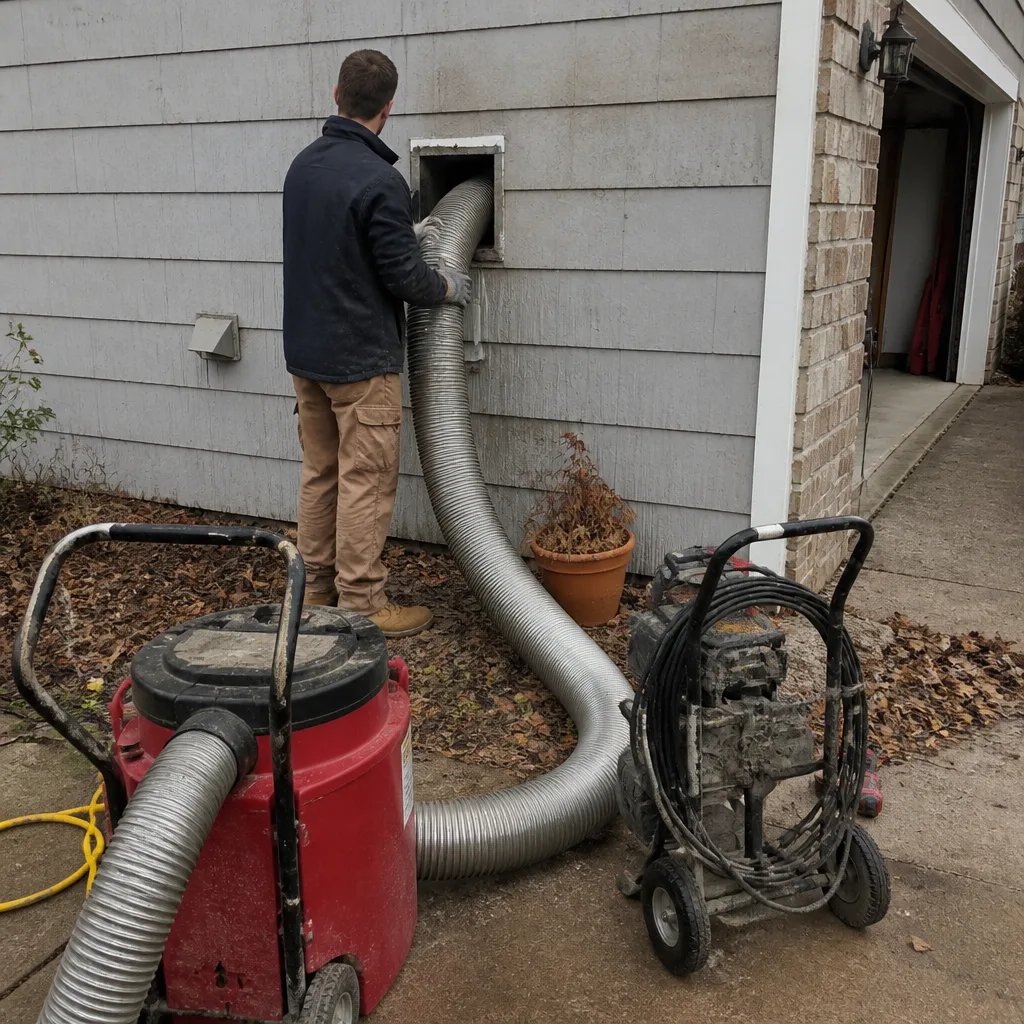 Before
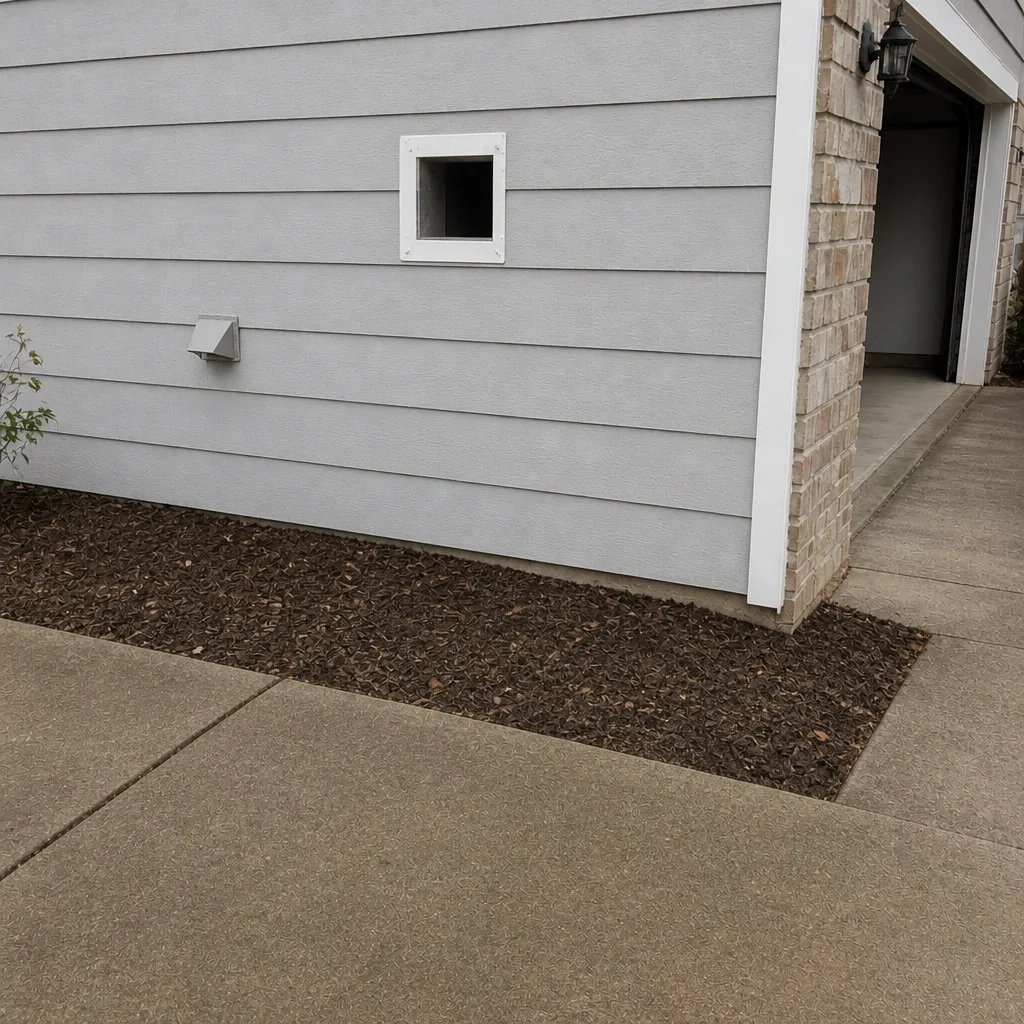 After
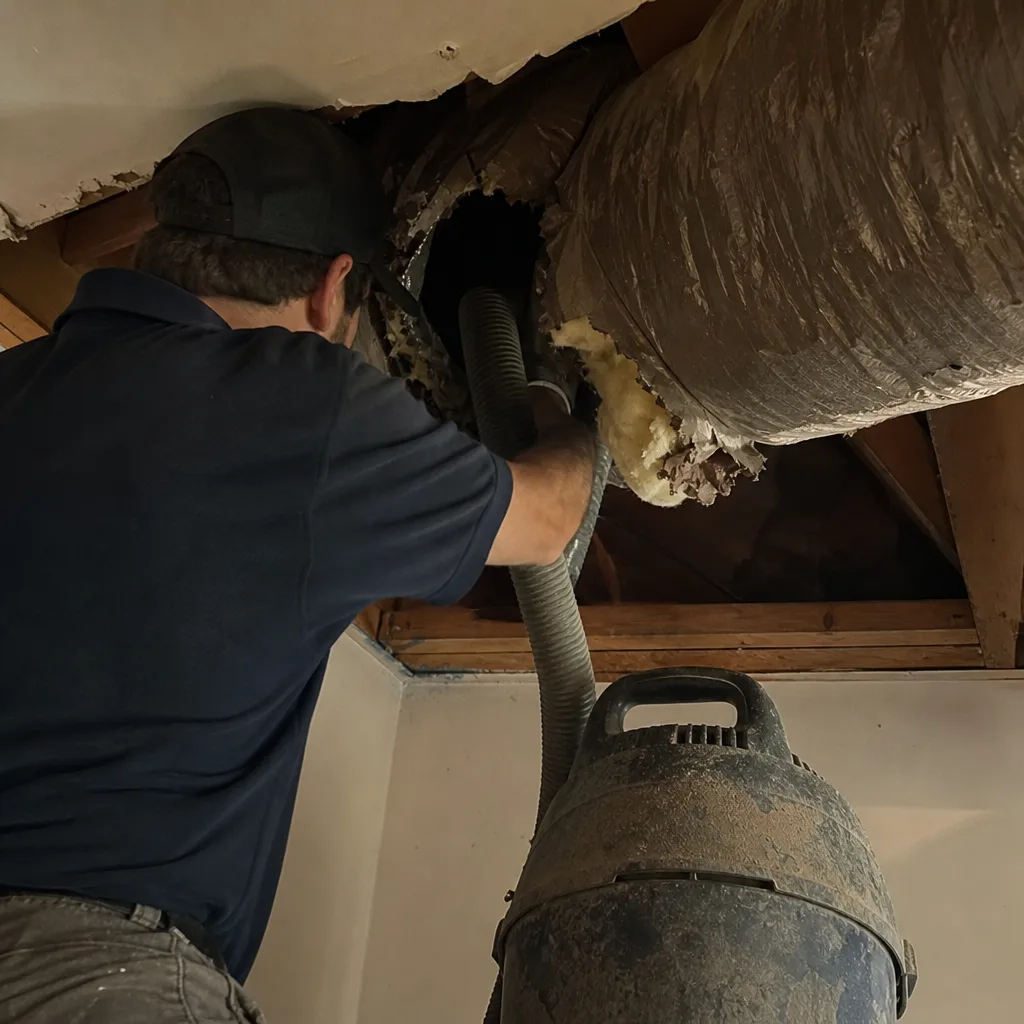 Before
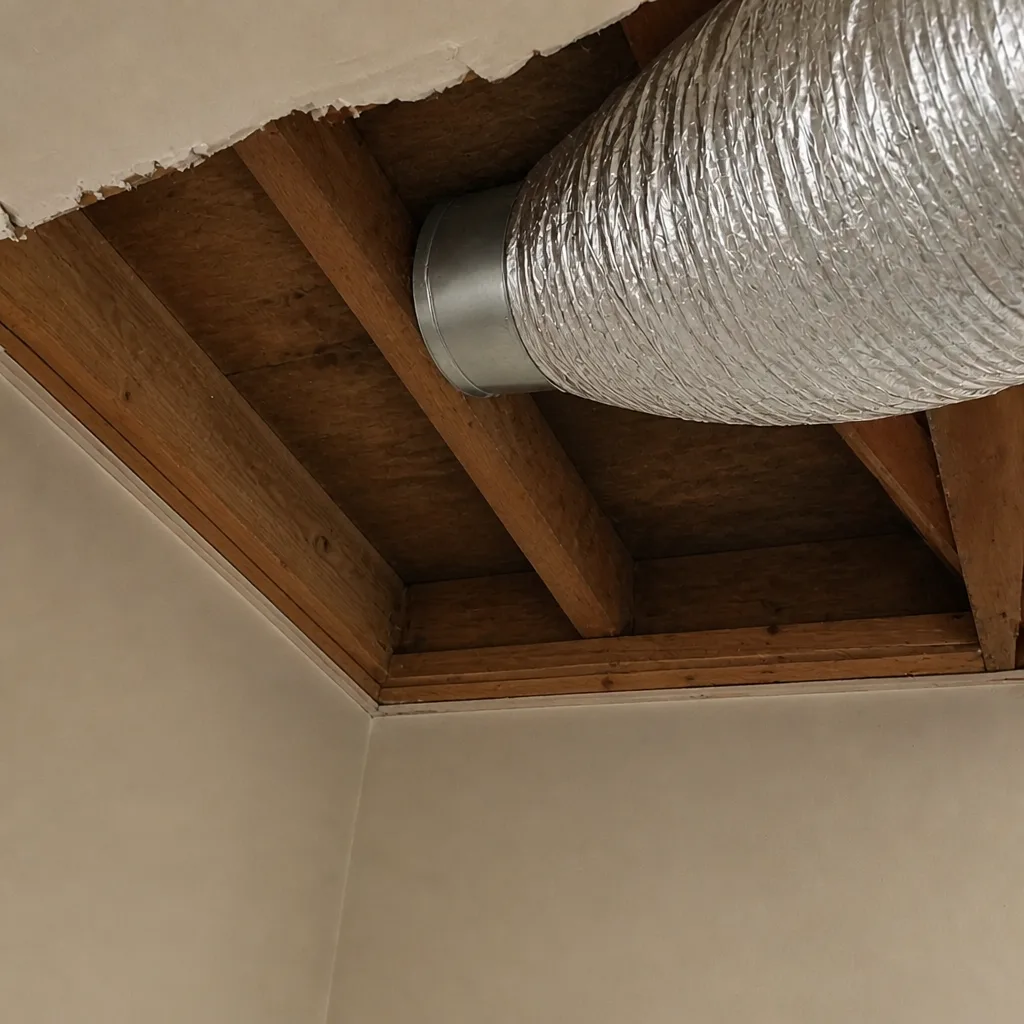 After
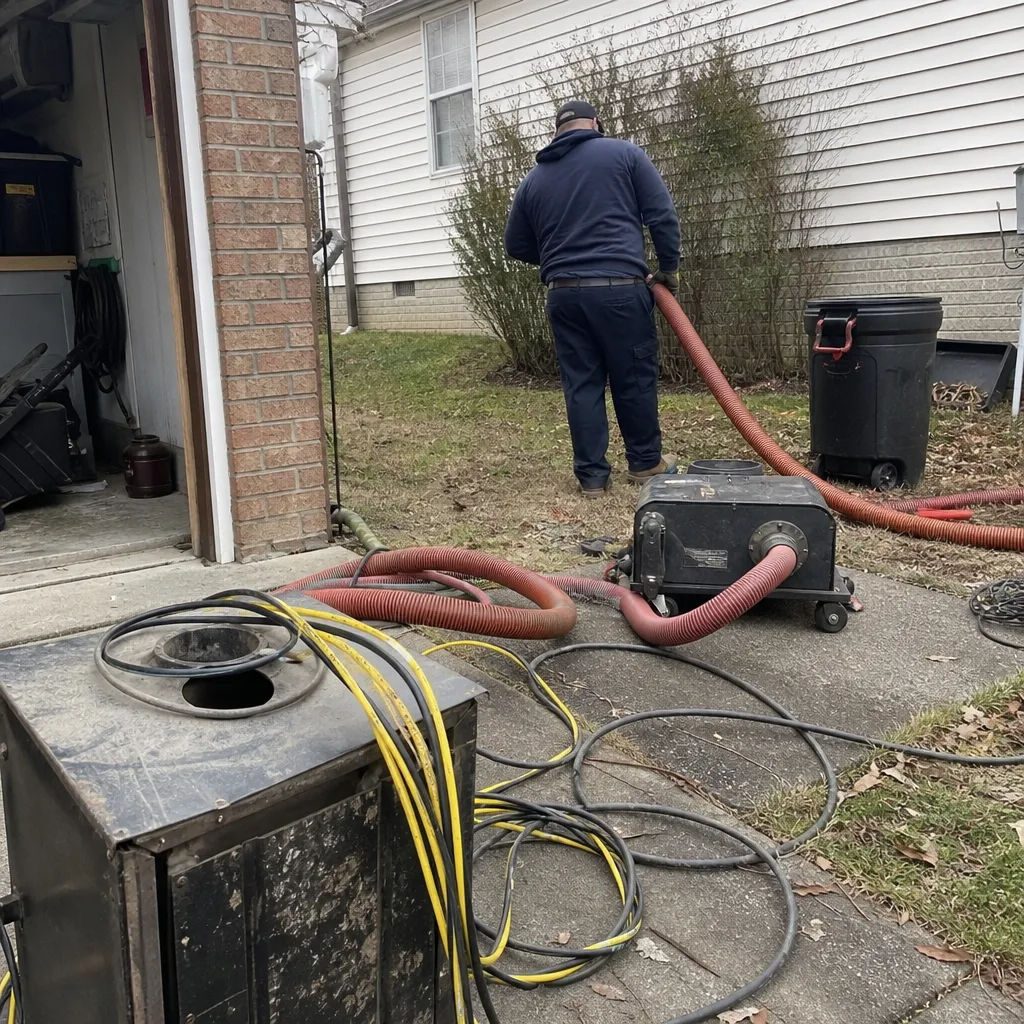 Before
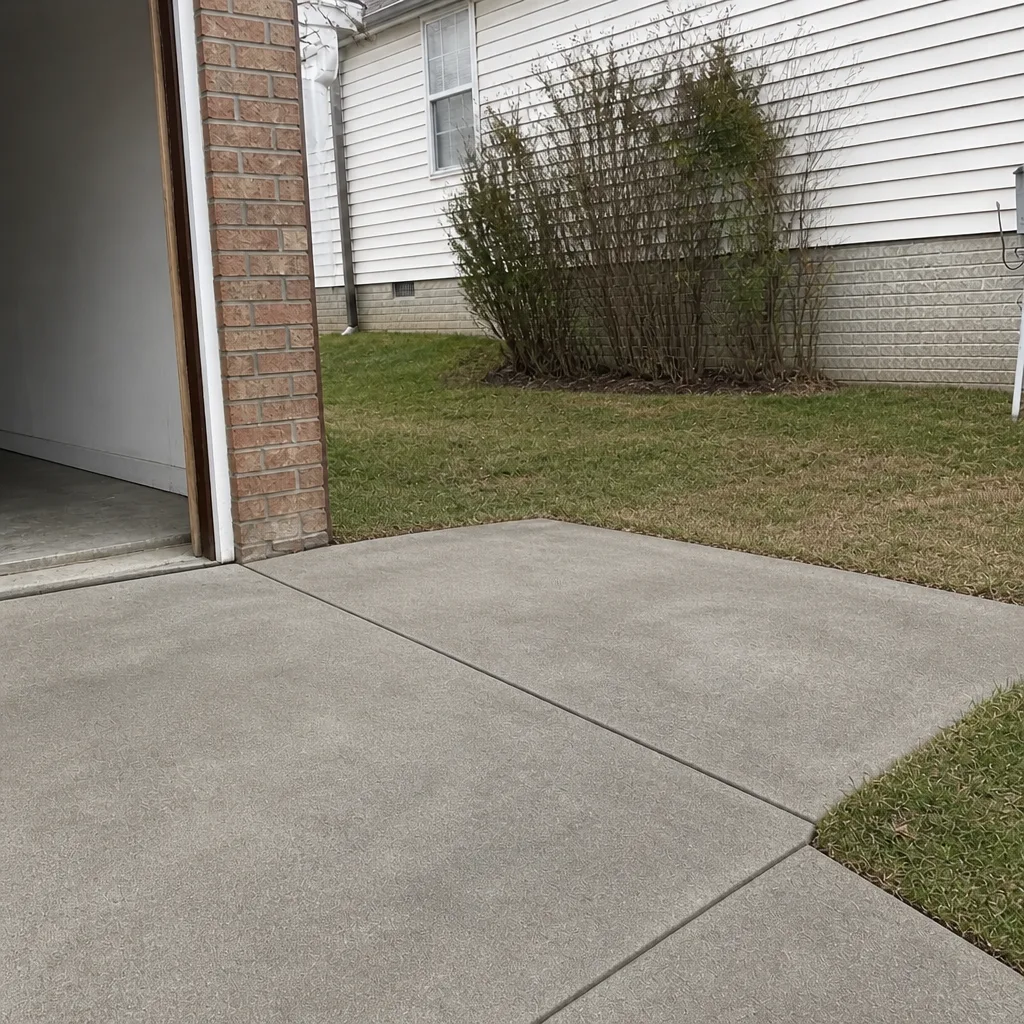 After
Common Mistakes to Avoid
- Booking a per-vent price without a scope. A per-vent figure tells you nothing about whether returns and the air handler are included. In Murfreesboro’s growth-era homes, returns and the air handler are usually where the real debris sits.
- Letting the crew start without containment. If there’s no negative-air setup visible in your home, dislodged debris is going somewhere – and it’s your living space. Ask to see the containment before work begins.
- Cleaning a system with a known breach or collapsed run. Cleaning a compromised duct just refills it from the attic. Repair first, or the same scope in one visit.
- Skipping the air handler. The coil and air handler area is where most contamination recirculates; cleaning the runs without it leaves the source in place.
- Treating sanitization as a default add-on. Applying a treatment to a dirty system traps debris rather than solving it. Sanitize only after a verified-clean system and only when inspection justifies it.
- Ignoring the dryer vent until clothes stop drying. A clogged vent is a leading cause of residential fires; if it’s been years, the vent run deserves a look even if the air ducts are fine.
- Paying without documentation. No before-and-after imagery, no filter spec, no written scope – no reason to pay. A legitimate job leaves a paper trail.
When to Call a Professional
Some problems are obvious. A musty odor that returns after you’ve cleaned the house, rooms that won’t cool even though the AC runs, visible dust blowing from a supply register, or a dryer that gets hot to the touch all point to a system issue worth a professional look. Other signals are quieter: a recent renovation that filled the ducts with construction dust, a new-to-you home where you don’t know the system’s history, a rental turnover where filter discipline lapsed, or a condensation problem near the air handler during a humid Murfreesboro summer. In a system with a suspected breach or a collapsed run, don’t wait – a compromised duct loses efficiency and pulls attic air with every cycle. Laurel Air Duct offers free estimates in Murfreesboro – call (888) 378-8438. We answer 24/7. Fast dispatch from 7am to 7pm, Sunday through Friday.
Frequently Asked Questions
For most homes, every three to five years is a reasonable baseline, and growth-era Murfreesboro homes with attic runs and flexible duct should be checked sooner if you notice airflow or odor problems. Homes with new construction dust, recent renovation, pets, or rental turnover benefit from an inspection earlier. Call (888) 378-8438 for an exact recommendation for your system – estimates are free.
It’s priced per system, and the written estimate sets the final price. Scope drives the number, so a quote that includes supply runs, returns, the air handler, and containment costs more than a teaser that covers only supply grilles. Ask for the written scope alongside the price; call (888) 378-8438 for a free estimate.
Because they cover less. A low quote usually excludes return duct cleaning, the air handler, containment setup, and any repair – the parts of the job that take the most time. Professional equipment like a Rotobrush rotary brush paired with Nikro vacuum capacity and Abatement Technologies HEPA containment costs more to run than a shop-vac pass, and that’s the difference between cleaning and skimming. When you compare quotes, compare scope first, then call (888) 378-8438 to see what a full-scope estimate looks like.
You ask for before-and-after imagery of the interior of your ducts, a written scope of work, and the filter spec installed on-site. Blower door and airflow baselines are captured where the scope calls for them so you have a reference point. A legitimate crew won’t hesitate to show you the documentation; if they do, don’t pay until they do. Call (888) 378-8438 for a free estimate and we’ll walk through the documentation process for your home.
It depends on what inspection finds. A breach, disconnected joint, or collapsed run is a repair issue, and cleaning without fixing it wastes money because the system pulls attic air right back in. Cleaning addresses debris; repair addresses structure. A system inspection tells you which you need, and often both belong in one visit. Call (888) 378-8438 and we’ll help you sort it out – estimates are free.
Yes, if it’s been more than a year or you’re seeing the warning signs – longer dry times, a hot dryer, or a burning smell. Dryer vent cleaning is a fire-safety service, not an add-on, and the U.S. Fire Administration links clogged vents to thousands of residential fires each year. Call (888) 378-8438 for an exact quote on vent cleaning alongside your duct work.
The Bottom Line
Murfreesboro’s rapid growth left a housing inventory with real duct-system quirks: overhead attic runs in the newer slabs, flexible duct that loosens at the joints, and humid Middle Tennessee summers that turn settled dust into a moisture problem. A thorough job addresses all three – contained HEPA cleaning with professional-grade rotary agitation, repair of any breach found along the way, and post-cleaning filtration and sealing to keep the system from re-contaminating. The proof is in the tools and the paperwork: containment on-site, before-and-after imagery, and a written scope that includes the air handler and returns, not just the grilles. What we stand for is a verifiable, process-driven specialist – one company for air duct cleaning, duct repair, and dryer vent cleaning, with the tools HVAC contractors trust brought to your home. Our technicians have up to 9 years of experience. If you’re in Murfreesboro or the surrounding area, call (888) 378-8438 for a free estimate. We answer 24/7. Fast dispatch from 7am to 7pm, Sunday through Friday.
Written by the team at Laurel Air Duct.