
Last updated November 16, 2026
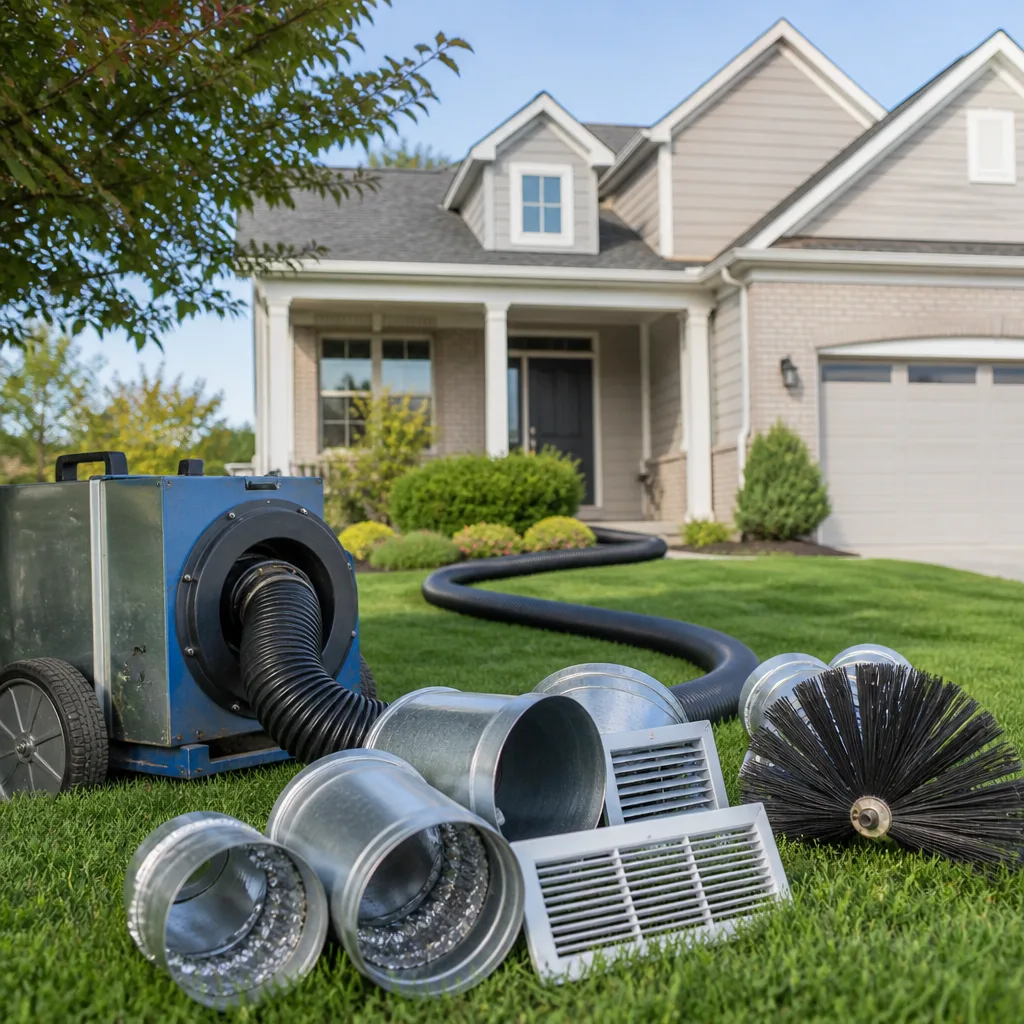 Whole-home duct cleaning
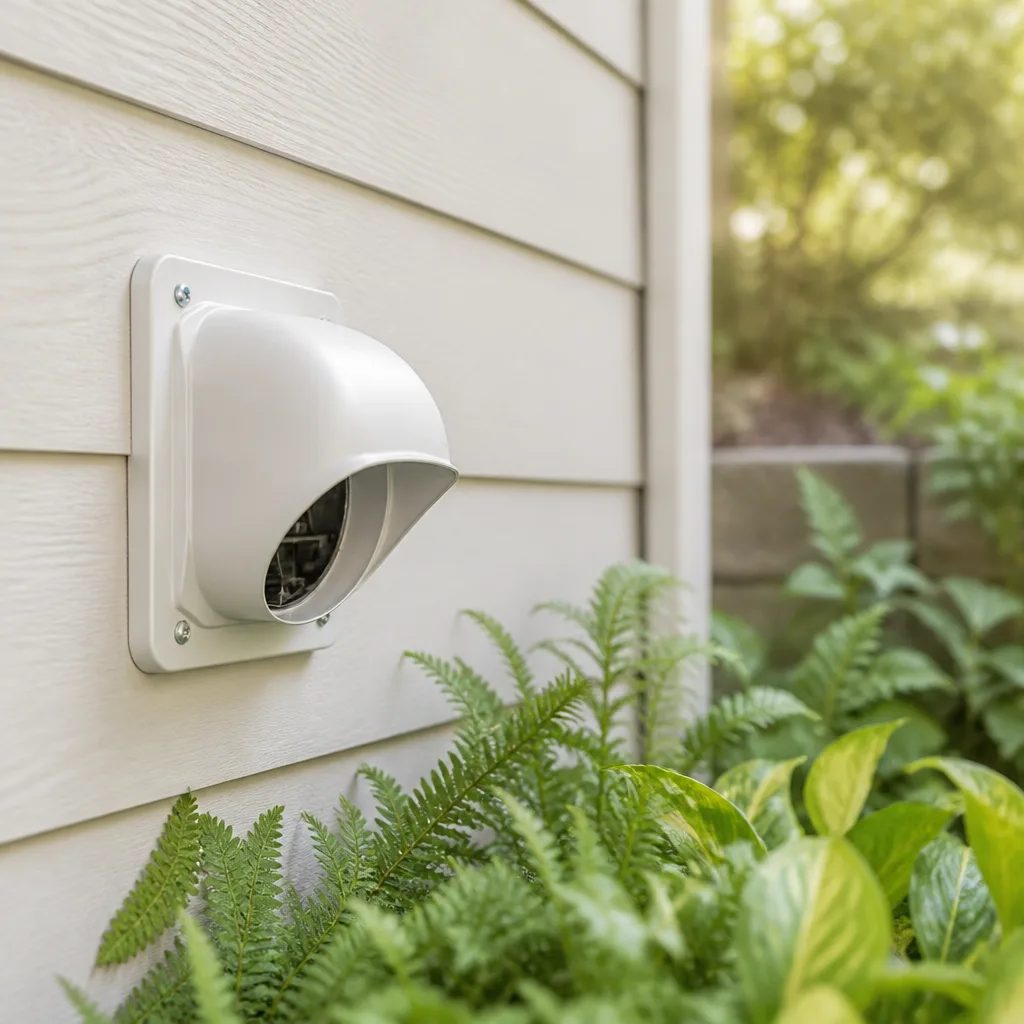 Dryer vent cleaning
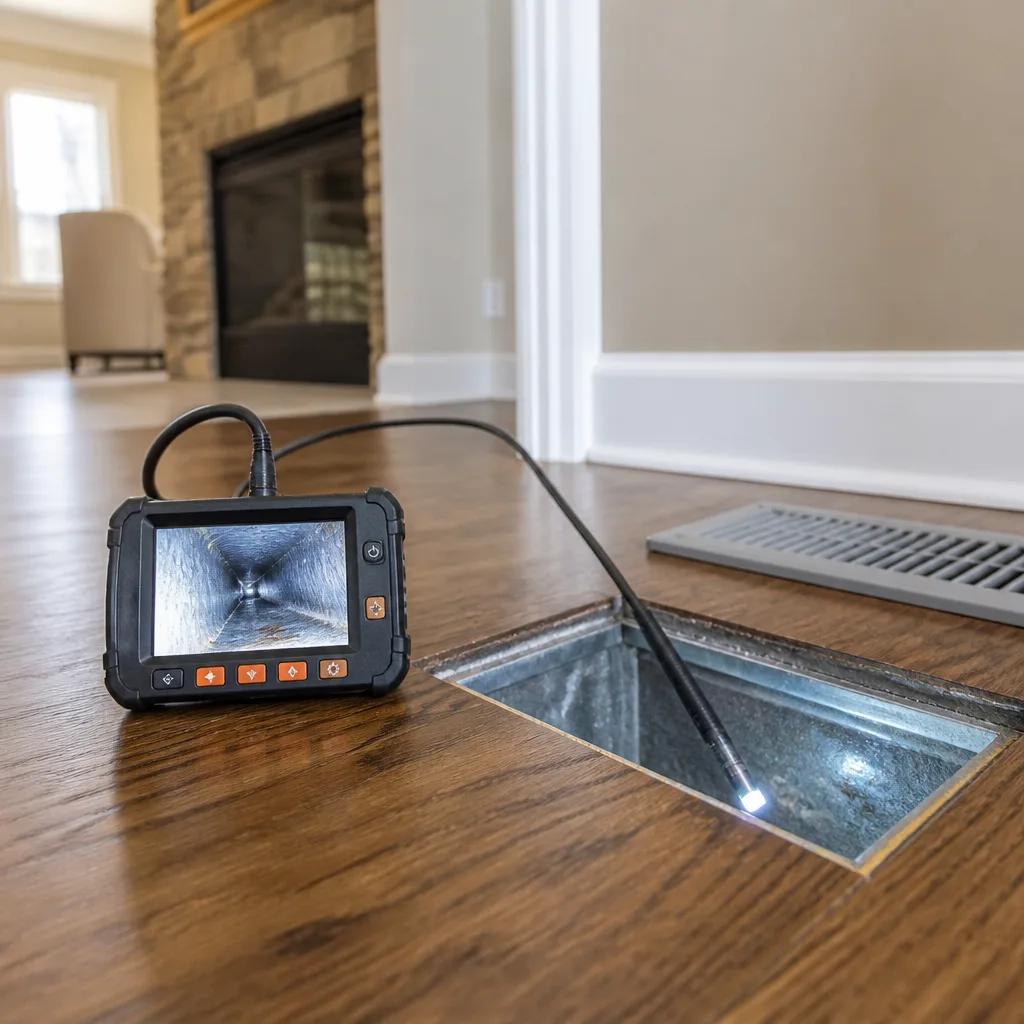 Camera inspection
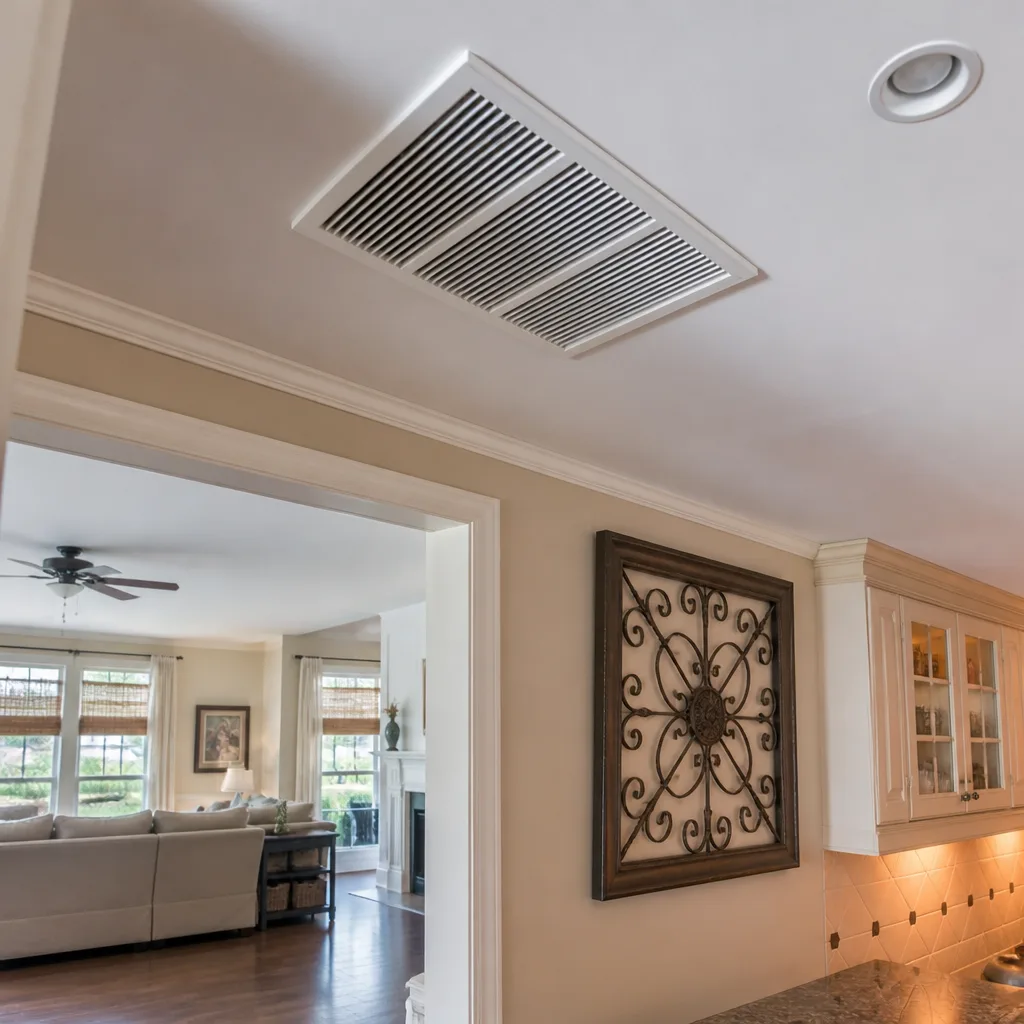 Sanitizing & deodorizing
Whole-system duct and dryer vent check with before-and-after photos - you see exactly what came out of your vents
That "$99 whole-house special" is a bait ad - the real number appears once they are in your hallway, or the "clean" is a shop-vac at the register. We photograph the inside of your ducts before and after instead.
How to Hire an Air Duct Cleaning Contractor in Murfreesboro: A Step-by-Step Guide
Here’s the uncomfortable truth about hiring a duct cleaner in Tennessee: there’s no universal licensing requirement for the trade. That means the burden of qualifying a contractor falls entirely on you, the homeowner, and most people don’t know which questions actually separate a competent specialist from a salesperson with a shop vac and a clipboard. A low bid that skips key system components and runs undersized equipment is the single most common way Murfreesboro homeowners end up with a disappointing result. This guide walks you through the exact questions to ask, the red flags to watch for, and how to compare quotes fairly so you know what you’re actually buying.
Quick Answer
To hire an air duct cleaning contractor in Murfreesboro, verify three things before you book: the specific equipment they use (professional rotary-brush and negative-air systems, not consumer vacuums), a written scope of work that names every component being cleaned, and a post-job walkthrough with documentation. Ask what negative-air machine they run and what it’s paired with, ask to see the equipment before work begins, and walk away from any flat-rate quote that arrives without a system inspection. Membership in NADCA is a useful credibility signal, but it doesn’t replace verifying the equipment in the driveway.
Styles & brands we work with
- Whole-home duct cleaning
- Dryer vent cleaning
- Camera inspection
- Sanitizing & deodorizing
Table of Contents
- Why Duct Cleaning Isn’t Licensed in Tennessee
- The Five Technical Questions to Ask Before Booking
- Red Flags Specific to Low-Cost Duct Cleaners
- Is NADCA Membership Enough?
- How to Compare Quotes Apples-to-Apples
- What a Legitimate Proposal Should List
- The Post-Job Walkthrough and Documentation
- Murfreesboro Home and Climate Considerations
Why Duct Cleaning Isn’t Licensed in Tennessee
Tennessee does not issue a statewide license specifically for air duct cleaning. That’s not a loophole – it reflects how the trade developed, with work often folded into HVAC or general contracting classifications. But the practical effect for a Murfreesboro homeowner is straightforward: a contractor can show up with a business card, no license verification beyond a general contractor classification, and no demonstrated competence in duct work. You can’t lean on a license check the way you would for electrical or plumbing work.
That doesn’t mean licensing is irrelevant. A contractor who holds a general contractor or HVAC license has at least cleared a basic threshold. But it says nothing about the equipment in the truck or the scope they intend to sell you. So you have to ask better questions.
Here’s the framework we suggest:
- Verify basic business standing. Ask for the business name, address, and whether they carry liability insurance. A legitimate operation will answer without hesitation.
- Ask what licenses they hold. General contractor or HVAC is a plus. No license at all should prompt more scrutiny, not automatic rejection – but you need to know.
- Ask about the equipment. This is where competence is actually revealed. We’ll cover it in detail below.
- Ask about the process. How they clean, in what order, and what they protect in your home.
- Ask for documentation. What do you receive when the job is done?
For readers in the surrounding area, the same rules apply – whether you’re searching for air duct cleaning in a neighboring community or right here in Murfreesboro, the vetting process is identical. The licensing gap is statewide.
The Five Technical Questions to Ask Before Booking
Most homeowners ask “how much?” and stop there. That’s exactly what a low-cost operator wants. These five questions cut deeper:
1. What negative-air machine do you use, and how much air does it move?
Negative-air machines create a vacuum inside your duct system so dislodged dust travels out rather than into your living space. A professional unit is typically rated in cubic feet per minute (CFM). A shop-vac-style unit won’t move enough air to pull debris from a whole system. Ask for the make and model. Legitimate contractors use professional-grade units – for example, Nikro HVAC cleaning equipment or the negative-air component in a Rotobrush system.
2. Do you use a contact vacuum at the registers?
A negative-air machine alone isn’t enough. A contact vacuum places a sealed, high-powered head directly against the register to pull debris from that opening. Ask whether they use one at every register or only a central vacuum point.
3. What agitation tools do you use inside the ducts?
Agitation breaks up caked-on dust so the vacuum can capture it. Rotary brushes on flexible shafts are the standard. A contractor who only vacuums without agitation is cleaning the surfaces, not the buildup.
4. Do you use HEPA filtration and containment?
Dislodging debris is only half the job. HEPA containment captures what comes out. We use Abatement Technologies containment and HEPA filtration during service, and we think any contractor doing serious work should be able to name their filtration approach.
5. Will you show me the equipment before work starts?
This is the simplest test. A contractor who uses professional equipment will happily show it to you in the driveway before work starts. If the answer is vague or deflected, that tells you something.
Ask these questions before you book. A confident specialist will answer each in specific terms; a low-bid operator will give you a generic reply.
Red Flags Specific to Low-Cost Duct Cleaners
The duct cleaning industry has a persistent bait-and-switch problem: a teaser price on a coupon, then a much larger invoice once the technician is in the home. Here’s what a legitimate operation should never do, and how to recognize the difference.
- Flat-rate pricing with no system walk-through. A fair quote can’t be given without seeing the system – the number of branches, the condition, the access points, and whether any sections are compromised. A phone-book quote of any kind without seeing your home is a red flag. The right way to price is per job by written estimate after inspection.
- No camera inspection offered. A camera reveals blockages, disconnections, contamination, and collapsed sections that cleaning alone cannot fix. Ask whether they carry and use one.
- No written scope of work. If they won’t put the scope in writing, you have no way to verify what was actually done. Insist on a written scope before work begins.
- Proof of work isn’t offered. Ask whether you’ll get before-and-after photos of your own ducts. That’s not an unreasonable ask – it’s how you verify the work was real.
- They sell only cleaning, no repair. Duct systems develop breaches, disconnections, and collapsed sections that cleaning can’t fix. A specialist either handles repair or knows who can. A company that says a cleaning fixes everything hasn’t seen your system.
- They can’t name their equipment. A contractor who can’t tell you the make and model of their machine is likely running consumer equipment.
We come from a specialty position rather than a generalist one. Our shop is set up around professionals tools – Rotobrush rotary-brush systems and Nikro cleaning units – because we think the equipment should do the talking. That’s not a sales pitch; it’s the reason we ask you to see it before work starts.
Is NADCA Membership Enough?
NADCA – the National Air Duct Cleaners Association – is the primary trade association for the industry. Membership is a useful signal: it means the contractor has committed to a code of standards and, depending on the membership tier, has passed or holds certifications. If two contractors look otherwise equal and one is a NADCA member, that membership is worth considering.
But membership isn’t a substitute for equipment verification. Here’s why: NADCA membership doesn’t dictate which machine a contractor buys. A company can hold membership and still show up with underpowered equipment. So use membership as one checkpoint, not the final answer.
How to ask:
- Ask directly: “Are you a NADCA member, and what tier?” Don’t be shy – it’s a legitimate question.
- Ask what equipment they use and whether they’ll show you before work starts.
- Ask what HEPA filtration and containment they deploy.
- Ask what documentation you’ll get after the job.
If NADCA membership is the only credential a contractor offers, that’s not enough. The equipment and the process matter just as much. We’re a dedicated duct-system specialist, not a generalist home-services company adding duct cleaning to a menu, and that focus is part of what makes the equipment question answerable in concrete terms.
How to Compare Quotes Apples-to-Apples
The reason duct cleaning quotes are so hard to compare is that they rarely describe the same job. One contractor is quoting a full system cleaning with agitation and containment; another is quoting a vacuum pass at the registers. Without a shared vocabulary, the lower number always wins – and that’s what gets a homeowner into trouble.
To compare fairly, put quotes side by side on these dimensions:
- Equipment named. Does the quote name the machine, the negative-air unit, and the filtration approach? If the quote says “professional equipment” without specifics, ask for details.
- Scope of work. Which components are being cleaned – supply ducts, return ducts, registers, boots, the air handler? The scope should be written out.
- System walk-through prior to pricing. Did they inspect the system, or did they quote over the phone?
- Condition findings. Did they mention any breaches, disconnected sections, or compromised duct runs? A serious contractor will find them.
- Documentation delivered. Photos, a written report, and a walkthrough at the end.
If a quote doesn’t contain these elements, it isn’t a complete quote – it’s a price. A Murfreesboro single-family home with a typical attic or crawlspace duct layout can be priced fairly by a contractor willing to inspect and write out scope. If you’ve got a neighboring property, the same standard applies when hiring for dryer vent cleaning – ask the same questions about equipment and process.
One more thing: don’t compare on the teaser figure. That’s the entire game. A specialist will quote the actual job after inspection. The final price is the written estimate.
What a Legitimate Proposal Should List
A legitimate duct cleaning proposal for a Murfreesboro single-family home should read like a scope of work, not a one-line invoice. Here’s what to expect:
| Line Item | What It Should Say |
|---|---|
| Source assessment | Whether the source of any objectionable conditions was located – and if not, why |
| Access and inspection | How the system was opened, inspected, and whether a camera was used |
| Agitation method | Rotary brush, air sweep, or other agitation used inside the ducts |
| Negative-air equipment | Make, model, and CFM of the negative-air unit |
| Filtration and containment | HEPA containment and how the area is protected |
| Components cleaned | Supply and return ducts, registers, boots, grilles, air handler |
| Repair findings | Any breaches, disconnections, or collapsed sections identified |
| Documentation | Before-and-after photos, written report, walkthrough |
| Final pricing | One flat price per system, agreed before work starts, with the written estimate setting the final number |
If a proposal doesn’t include most of these, ask why. A high-quality contractor expects the question and will answer it with specifics. And if the proposal contains a repair line item for breaches or disconnected runs, that’s not a red flag – it’s a sign of thoroughness. We offer air duct repair alongside cleaning precisely because we’ve seen how often cleaning alone doesn’t solve the real problem.
The Post-Job Walkthrough and Documentation
What you receive when the job is done tells you what to expect from the contractor. A proper post-job walkthrough includes:
- A visual review of each access point. Open the registers and look at the cleaned duct interior. If it’s still caked with dust, ask why.
- Before-and-after photos of your own ducts. Not stock photos – photos taken in your home, from the same positions, so you can see the difference.
- A written report listing what was cleaned, what was found, and whether any repair issues remain.
- A clear explanation of any issues discovered – disconnected sections, moisture concerns, or anything else worth knowing.
- A walkthrough of the equipment area so you can confirm the containment was set up and removed properly.
If you don’t get this, you can’t honestly say the work was done. That’s not about distrust – it’s about having a record. We think photos and a written report are the minimum. If you’re curious how a duct system can degrade over time and how repair fits into the picture, the Laurel Air Duct overview page lays out our three core services – cleaning, repair, and dryer vent safety – in one place.
Beyond cleaning, we offer post-cleaning filtration and air quality options from Honeywell, Aprilaire, and Guardsman. These aren’t upsells; they’re options for extending the value of the cleaning work. A filtration upgrade can help if you’re in a home where dust return feels fast. But don’t let anyone push add-ons without explaining what they do.
Murfreesboro Home and Climate Considerations
Murfreesboro’s climate matters to duct systems in a few specific ways. The long humid summers mean your HVAC runs hard, and when the system runs more, the ducts are moving more air. That continuous airflow can move dust and debris through the system all season long. In a typical Murfreesboro summer, airborne dust, pollen, and moisture carried through the ducts can leave residue on duct interiors.
Most Murfreesboro homes are built with attic or crawlspace duct runs, and those runs often have sections that aren’t easily visible. Duct systems in older Murfreesboro neighborhoods with crawlspace layouts can develop disconnected sections as the home ages – a gap between the boot and the trunk line, or a compromised run from a remodel. Cleaning alone won’t fix those. That’s why we do repair alongside cleaning.
Neighborhood-wise, Murfreesboro is a mix of newer subdivisions and established areas, and the duct construction varies accordingly. Homes in Murfreesboro with hard-duct systems may show different cleaning needs than flexible-duct systems. If you’re in a property covering multiple units, the same vetting rules apply. And if you’re part of a management team hiring for multiple properties, the same questions in this guide work whether you call it a Nolensville property, a Murfreesboro home, or anything in between.
One climate caveat: Murfreesboro has plenty of trees and green space, which means pollen season and leaf debris can build inside return openings and grilles. The accumulation is quicker than homeowners expect. That’s more a reason to check your system than to rush to book a cleaning – but it’s worth knowing.
Dryer vent safety also lives in this community. Clogged dryer vents are a well-documented fire risk, and the U.S. Fire Administration links them to thousands of residential fires annually. We treat dryer vent cleaning as a fire-safety service, not an upsell afterthought.
Common Mistakes to Avoid
- Booking on price alone. The cheapest quote is usually the one that uses underpowered equipment and skips the components a full cleaning should cover. Price is a data point, not the deciding factor.
- Taking a phone quote as the final number. A fair quote requires seeing the system – the number of branches, the layout, and the condition. A phone quote is a teaser, not a scope.
- Not asking what equipment they use. This is the single biggest predictor of a good outcome. If a contractor can’t tell you what machine they’ll bring, they’re not serious.
- Skipping the walkthrough. If you don’t see the ducts or get photos after the work, you can’t verify anything. Insist on before-and-after photos of your own ducts.
- Believing cleaning alone solves everything. Disconnected or collapsed duct sections cause bigger performance problems than dust. Cleaning without checking for repair issues is incomplete work.
- Overlooking the dryer vent. The vent is part of the home’s air and safety system. If you’re having the ducts cleaned, ask about the dryer vent too. Clogged vents are a real fire risk.
- Accepting a quote without a written scope of work. No document, no standard. A written scope protects you and keeps the contractor accountable.
See the difference
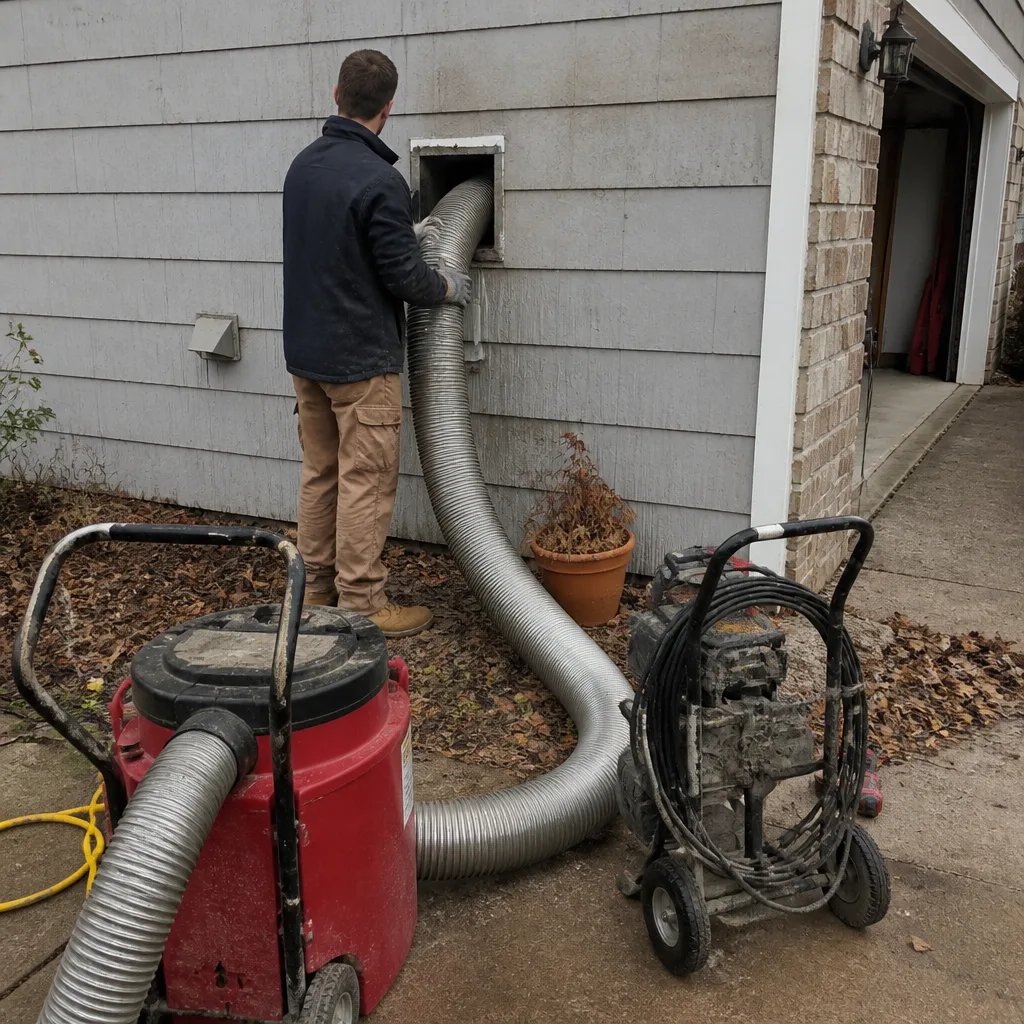 Before
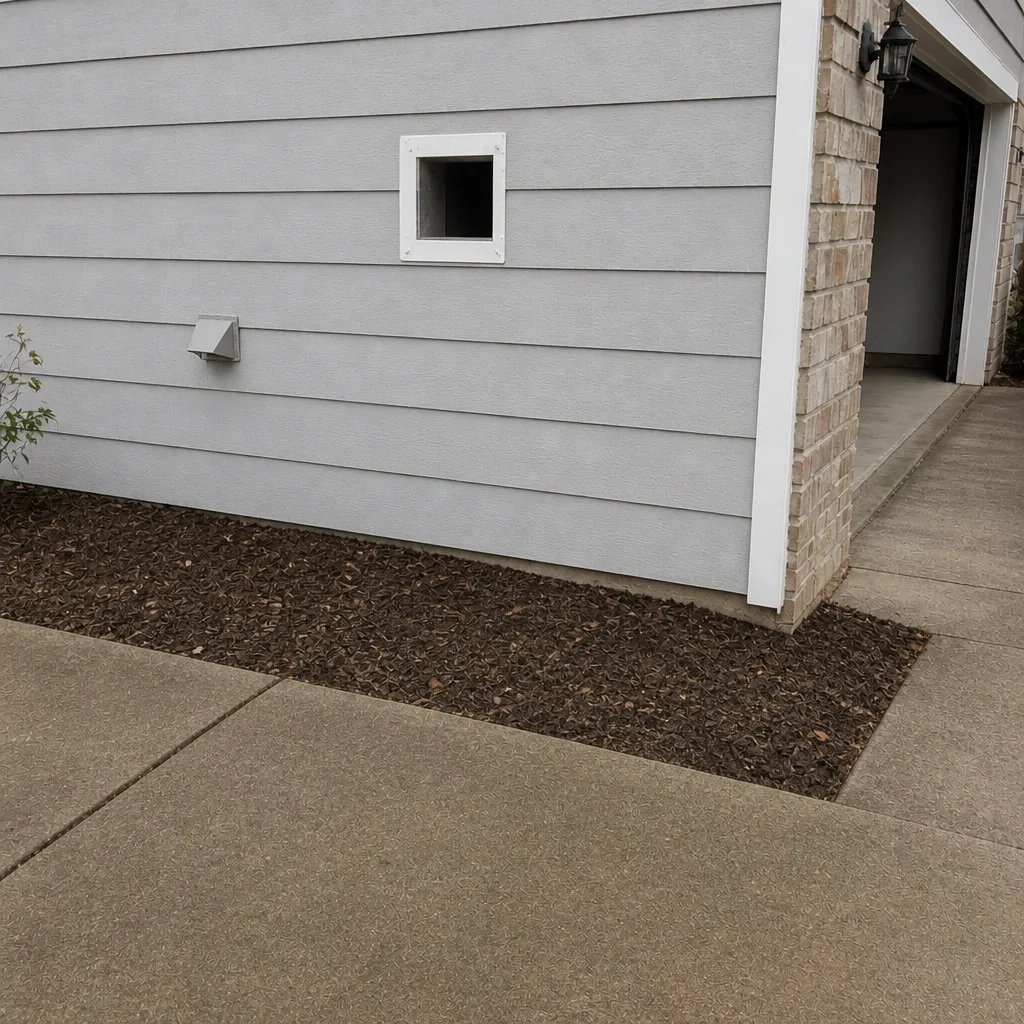 After
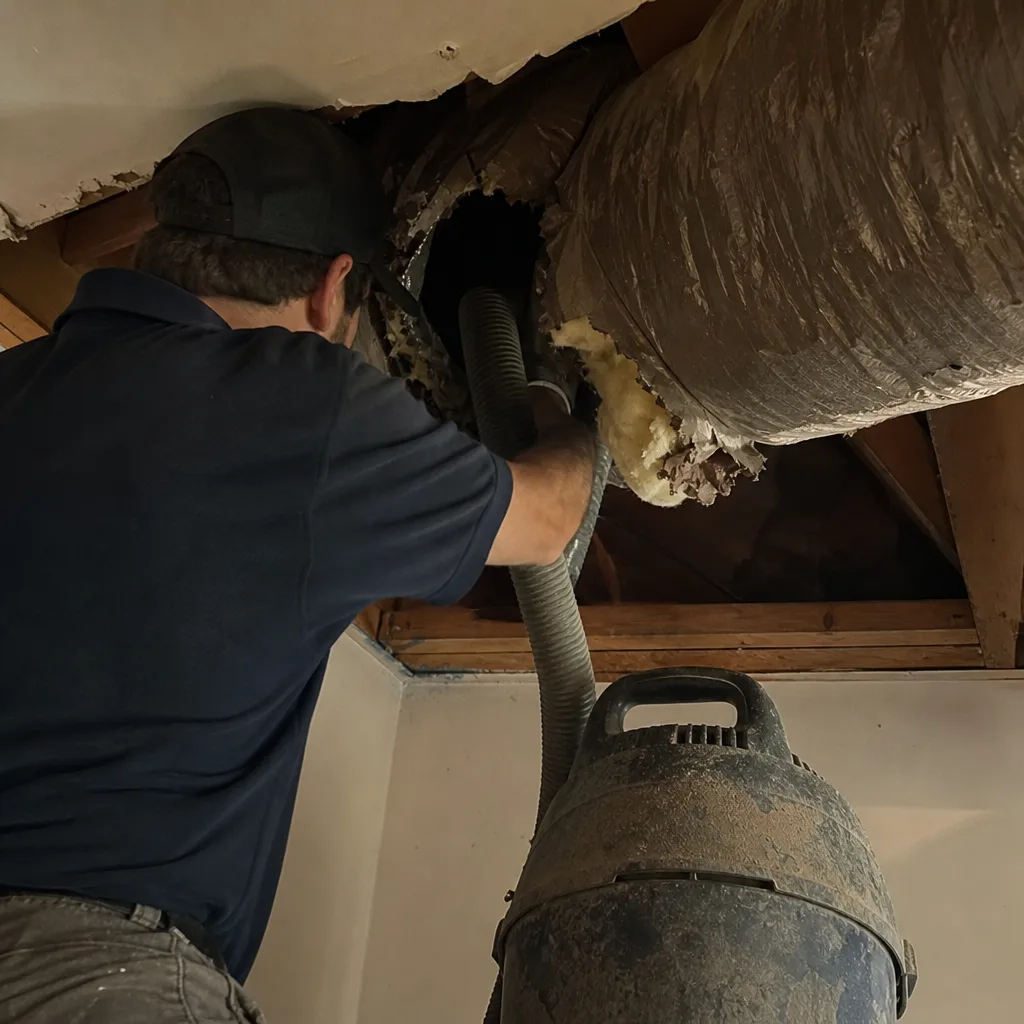 Before
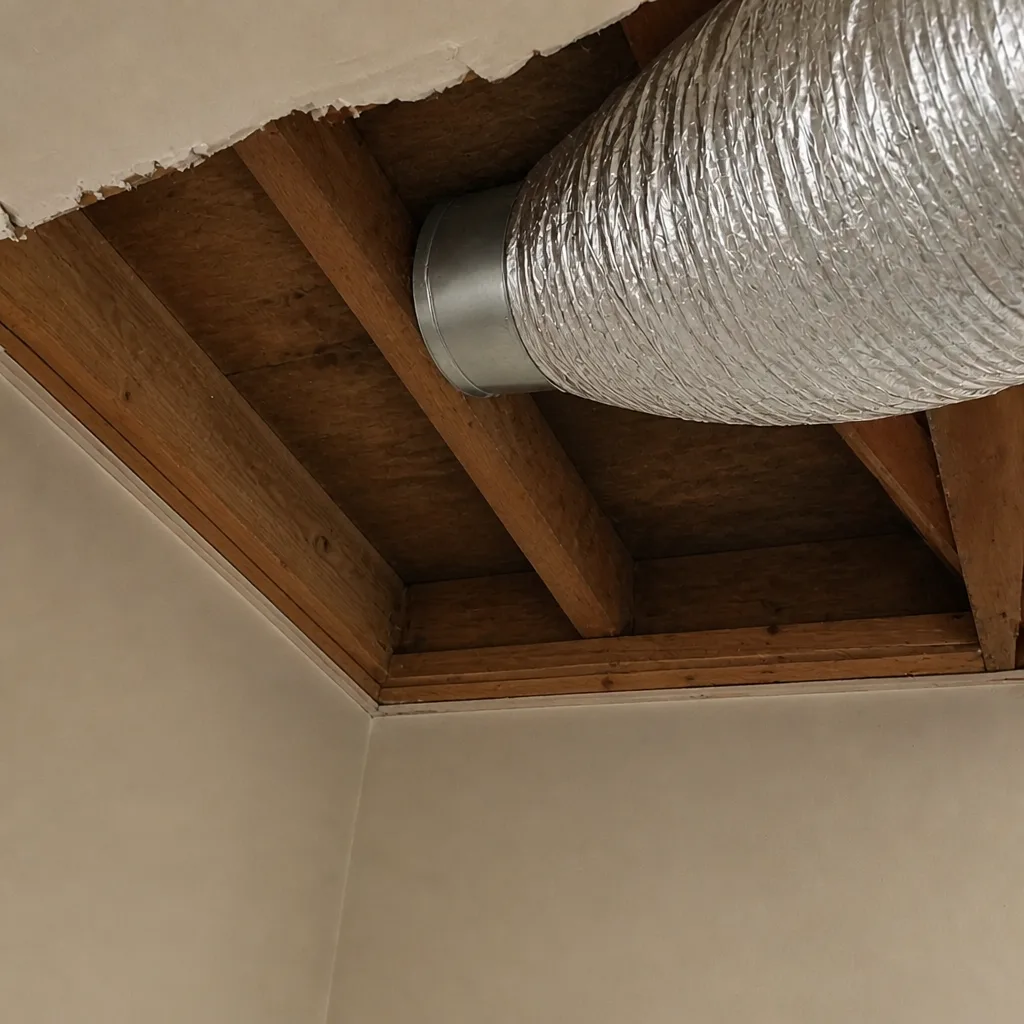 After
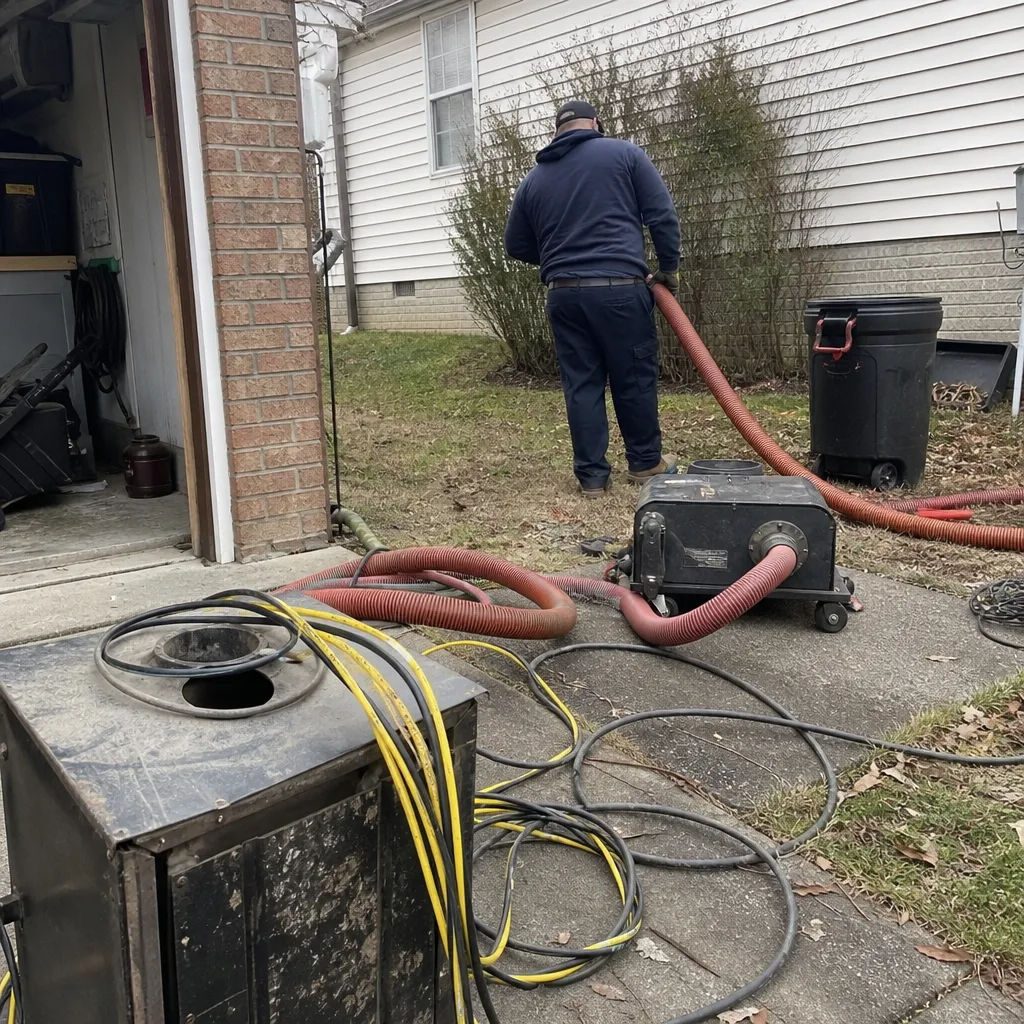 Before
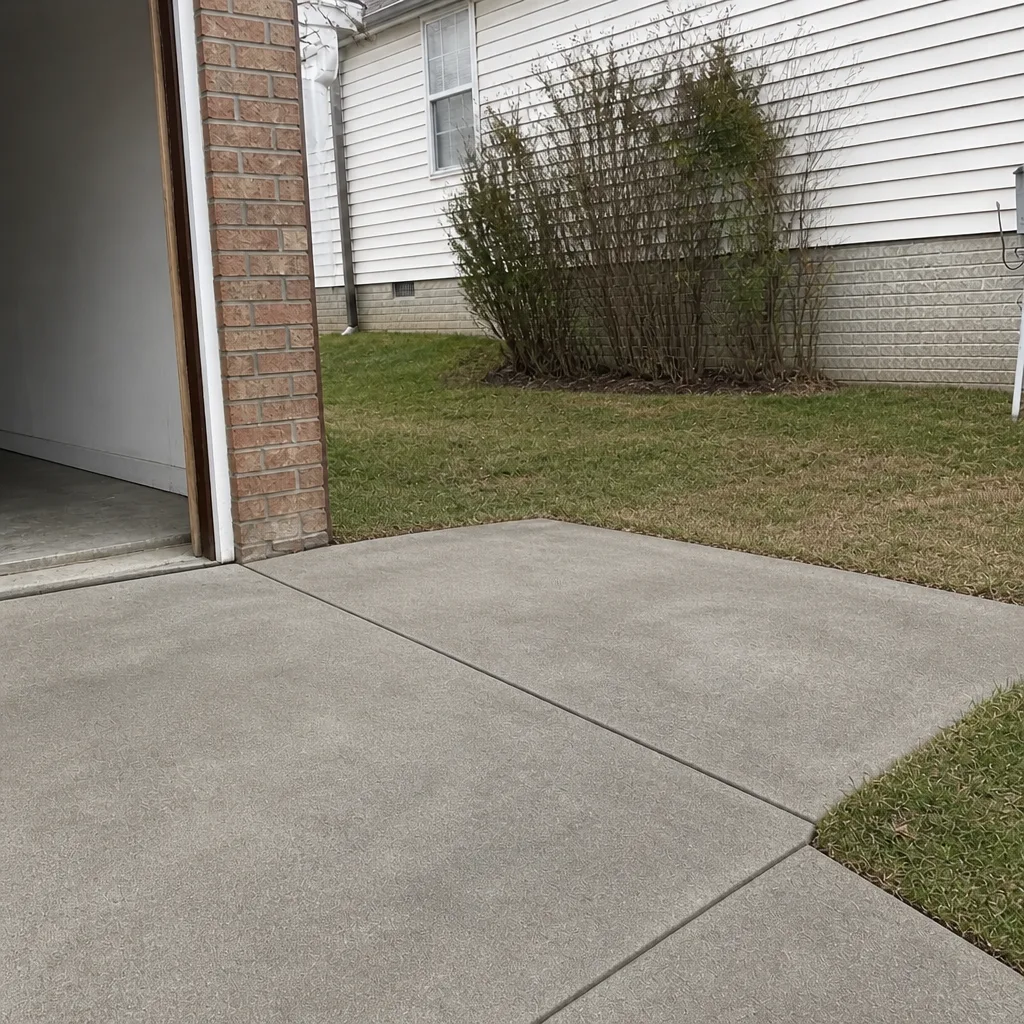 After
When to Call a Professional
A few signs say it’s time to bring in a specialist rather than wait. If you’re seeing visible dust blowing from registers when the system kicks on, that’s a sign that debris has built up beyond a normal level. If you’ve just finished a renovation and drywall dust has made its way into the return system, a professional pass with proper containment matters – consumer equipment just won’t capture it safely. If your system sounds different, or if airflow at some registers has dropped noticeably, a repair issue may be hiding in the ducts.
We also get called when a homeowner has recently bought a house in Murfreesboro and doesn’t know the history of the duct system. That’s a reasonable time to have it inspected. And if the dryer is taking longer to dry clothes or the vent line feels warm, that’s a dryer vent safety check, not a wait-and-see. Laurel Air Duct offers free estimates in Murfreesboro – call (888) 378-8438. We answer 24/7. Fast dispatch from 7am to 7pm, Sunday through Friday.
Frequently Asked Questions
Air duct cleaning in Murfreesboro is priced per job by written estimate, not per vent, and the final price depends on the number of branches, the system layout, and whether repair issues turn up. We give honest whole-system ranges after inspecting your system, so the number you see is the number you pay. Call (888) 378-8438 for an exact quote – estimates are free. We answer 24/7.
Some quotes are cheaper because they describe a different job – usually a vacuum pass at the registers instead of a full system cleaning with agitation, negative air, and containment. The low figure is often a teaser that changes once the technician is in the home. The right way to price is one flat price per system, agreed before work starts. Call (888) 378-8438 for an exact quote – estimates are free.
You should receive before-and-after photos of your own ducts, a written report of what was cleaned, and a walkthrough of each access point before the contractor leaves. If those aren’t offered, ask. A serious contractor expects the question. Call (888) 378-8438 for an exact quote – estimates are free.
There’s no fixed schedule that applies to every home. Cleaning makes sense when there’s visible dust blowing from registers, after a renovation, when the home has changed hands, or when the system is showing performance problems. For a typical Murfreesboro home, much depends on how the system was maintained. Call (888) 378-8438 for an exact quote – estimates are free.
You don’t need to watch every step, but you should be there for the pre-job walkthrough and the post-job walkthrough. That’s how you confirm the equipment, the containment, and the documentation. Call (888) 378-8438 for an exact quote – estimates are free.
Tennessee doesn’t issue a statewide license specifically for air duct cleaning, so the burden of qualifying a contractor falls on the homeowner. That means asking about equipment, scope, filtration, and documentation rather than relying on a license check. Call (888) 378-8438 for an exact quote – estimates are free.
The Bottom Line
Hiring a duct cleaning contractor in Murfreesboro comes down to three things: verify the equipment, define the scope, and demand documentation. Licensing in Tennessee won’t do the vetting for you, so the five technical questions in this guide matter more than a license check. NADCA membership is a useful signal, but it doesn’t replace seeing the machine in the driveway. Compare quotes on the actual scope, not the teaser figure, and hold out for before-and-after photos of your own ducts. We work from a specialist position – professional-grade equipment, HEPA containment, and repair alongside cleaning – because that’s what it takes to actually clean a system and fix what’s broken. Call (888) 378-8438 for a free estimate. We answer 24/7. Fast dispatch from 7am to 7pm, Sunday through Friday.
Written by the team at Laurel Air Duct.