
Last updated November 16, 2026
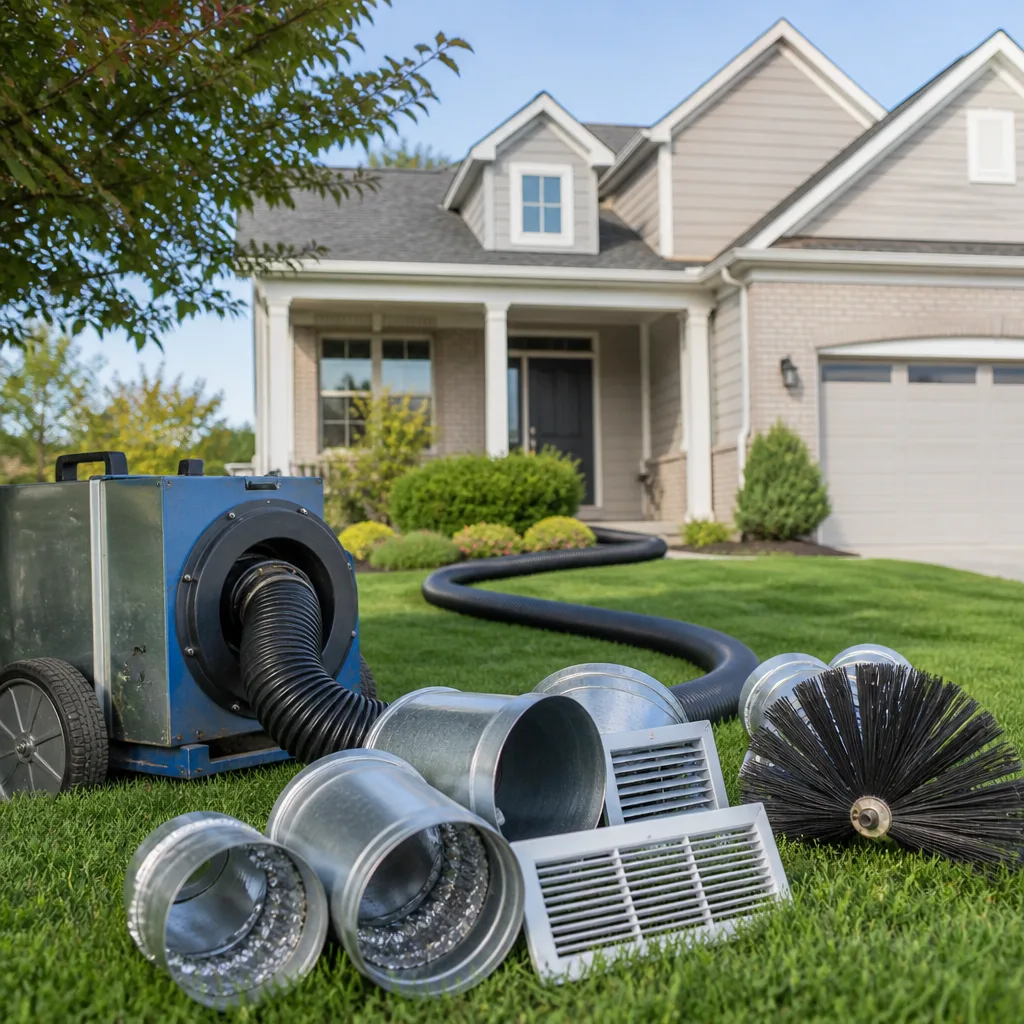 Whole-home duct cleaning
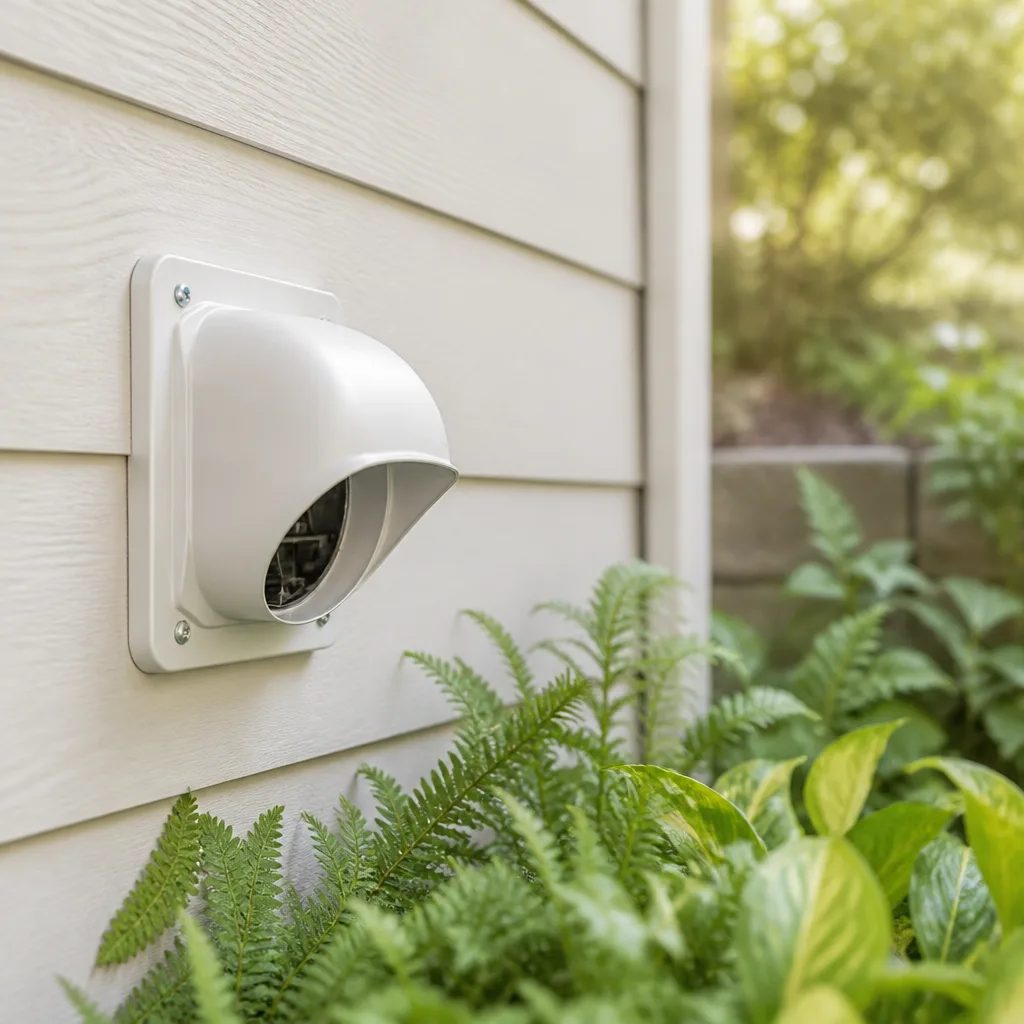 Dryer vent cleaning
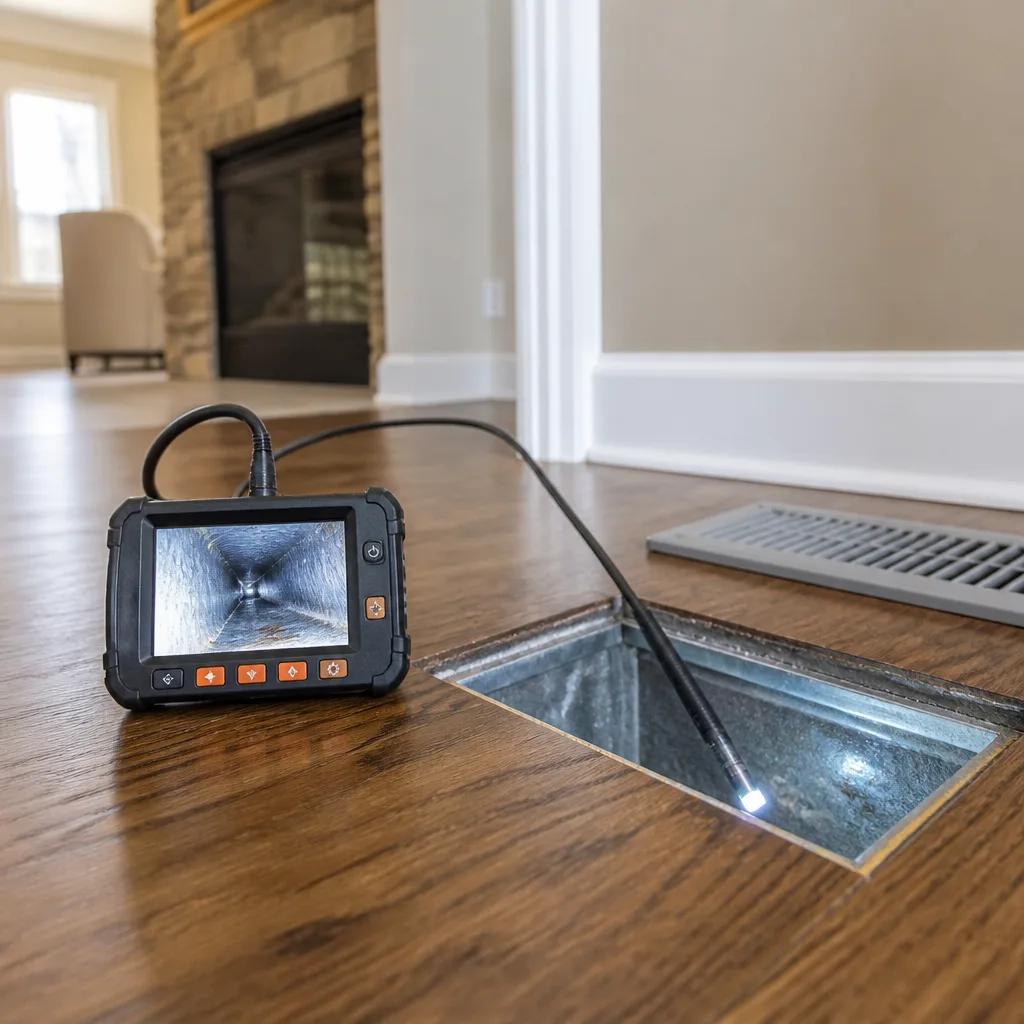 Camera inspection
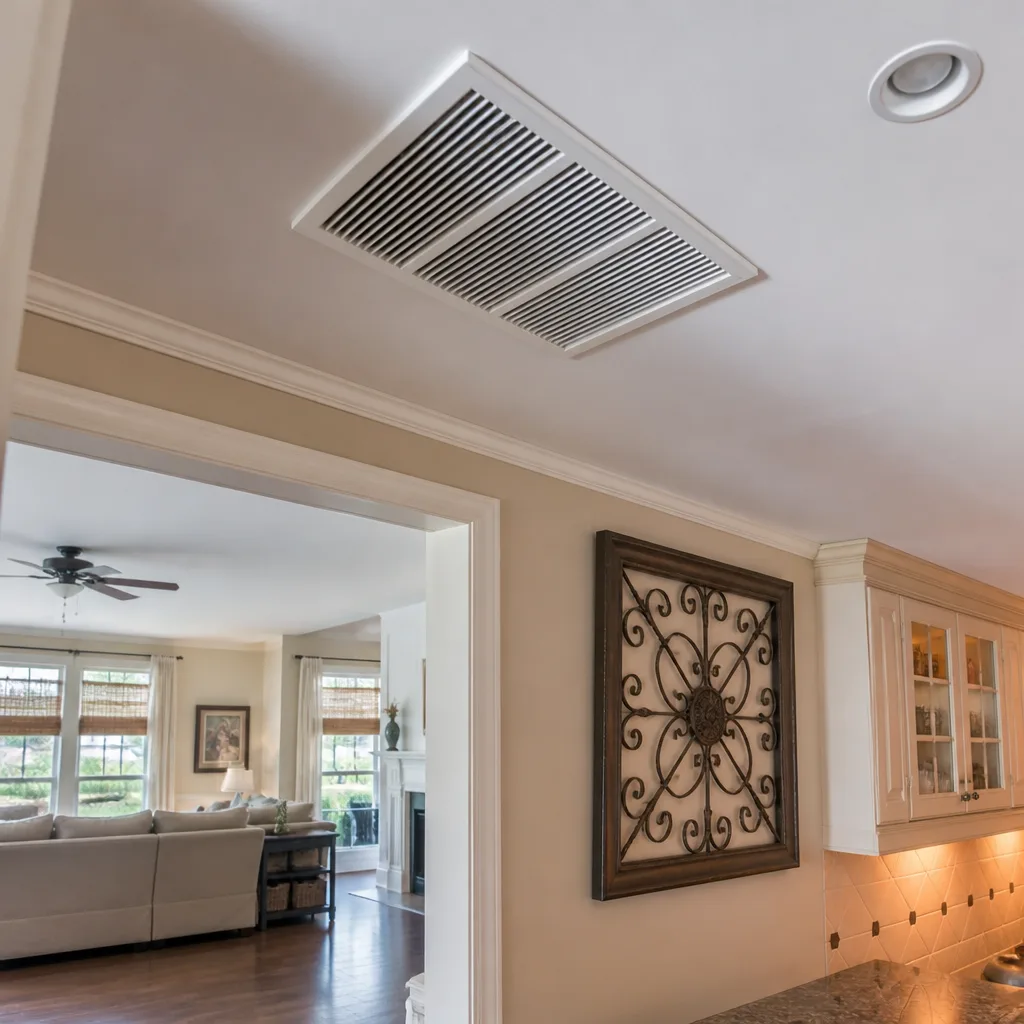 Sanitizing & deodorizing
Whole-system duct and dryer vent check with before-and-after photos - you see exactly what came out of your vents
That "$99 whole-house special" is a bait ad - the real number appears once they are in your hallway, or the "clean" is a shop-vac at the register. We photograph the inside of your ducts before and after instead.
DIY vs Professional Air Duct Cleaning: The Murfreesboro Homeowner’s Decision Guide
A shop vac pressed against a register opening doesn’t clean the duct. It cleans six inches of it, and the suction you feel at the grille tells you almost nothing about what’s happening fifteen feet back. That’s not an opinion about effort or skill. It’s a function of airflow physics: a consumer vacuum pulls air from the path of least resistance, and in a duct system that path is the shortest one back into the room. Meanwhile, the disturbance at the register can loosen debris that the next heating cycle carries deeper toward the air handler. This guide is about where DIY genuinely works, where it backfires, and where the equipment gap becomes a real decision for a Murfreesboro home.
Quick Answer
For Murfreesboro homeowners, DIY air duct cleaning makes sense for surface tasks: cleaning register grilles, vacuuming return covers, upgrading filters, and clearing the dryer’s lint screen and short accessible vent runs. For the full duct system, professional equipment reaches what consumer tools physically cannot, because a shop vac can’t sustain the airflow needed to pull debris from a twenty-foot run. If you’re seeing visible debris blowing from registers, uneven airflow between rooms, or a dryer that takes two cycles to dry a load, that’s a professional job.
Styles & brands we work with
- Whole-home duct cleaning
- Dryer vent cleaning
- Camera inspection
- Sanitizing & deodorizing
Table of Contents
- Why Suction at the Register Isn’t the Same as Cleaning the Duct
- What DIY Air Duct Cleaning Actually Handles Well
- When DIY Makes a Duct Problem Worse
- What Professional-Grade Equipment Does Differently
- Murfreesboro Housing and Why Duct Condition Varies
- The Cost-Benefit Calculation, Honestly
- How Often Ducts Really Need Cleaning
- How to Verify a Duct Cleaner Is Using Real Equipment
Why Suction at the Register Isn’t the Same as Cleaning the Duct
A typical residential supply run in a Murfreesboro home is somewhere between eight and twenty feet from the main trunk to the register boot. Return runs are often longer, sometimes much longer. Consumer vacuums are built for short, sealed connections to a single surface, which is why a shop vac works beautifully on a car floor mat and poorly on a duct run. The moment you press the hose into a register, the airflow escapes back around the hose instead of pulling from the far end of the run.
Here’s the part most DIY guides skip. Duct debris is a mix of dust, skin cells, pet hair, cardboard dust from moving boxes, and settled construction particles. Drywall dust from a remodel is especially fine and electrostatically clingy. It sits on the duct floor in a loose layer. When you disturb the top of that layer without capturing it in a sealed container, the particles become airborne inside the duct and have nothing stopping them from moving downstream. The HVAC fan is a powerful mover. It doesn’t distinguish between the intake at the return and the dust that just got loosened three feet to the side.
In our experience, this is the single most common way a well-intentioned weekend project ends up sending more material through the system than it removed. The physics is the reason dedicated duct cleaning equipment is built the way it is: a high-CFM negative-air machine connected to a containment setup, with a rotary brush or air whip run through the duct from the inside. The vacuum creates a pressure differential that pulls material toward the machine, not toward the fan.
If the home has flex duct (very common in Murfreesboro tract construction from the 1990s onward), the physics matters even more. Flex duct has ribs. Debris catches on those ribs, and a straight push from a shop vac hose can snag on a rib and tear the liner. That’s a duct repair, not a cleaning outcome.
What DIY Air Duct Cleaning Actually Handles Well
There’s real work a homeowner can do, and it’s worth being clear about which tasks those are because it saves money without creating risk. Here’s a numbered list of what we’d genuinely recommend attempting yourself:
- Remove and wash the register grilles. Most supply grilles pop out with two tabs or a screwdriver. Soak them in warm water with a mild degreaser, scrub with a soft brush, dry fully before reinstalling. This alone is responsible for a large share of the “visible dust” homeowners notice.
- Vacuum return-air covers and the cavity behind them. The return grille in a hallway or on a wall usually has the most accumulated dust of any accessible surface in the system. A brush attachment on a household vacuum clears it in a minute.
- Upgrade or replace the filter on schedule. A pleated filter with a MERV rating appropriate for your system (check the air handler’s spec) does more for indoor air than most one-time cleaning efforts. Change it every 60 to 90 days during heavy use, more often if you have pets or a recent remodel.
- Clear the dryer lint screen before every load and the lint trap housing monthly. This is the single highest-value DIY task in the house from a safety standpoint. A lint-clogged dryer vent path is one of the leading causes of residential dryer fires in the U.S. per Fire Administration guidance, and the dry-trap housing (the slot the screen sits in) collects compacted lint that the screen misses.
- Check the outside dryer vent flap. Walk outside and look at where the dryer vent terminates. The flap should move freely when the dryer runs. If it’s stuck closed or the surrounding siding is stained, the run likely needs professional clearing.
- Vacuum the supply register boots shallowly with a crevice tool. You can reach the first few inches. Use a light touch. Don’t force the tool past the boot into the flex duct.
These are low-risk, high-return tasks. They don’t clean the system, but they keep the visible surfaces and the most important safety component under control. Our dryer vent cleaning guidance covers the vent path in more depth because the safety stakes are higher than most homeowners expect.
When DIY Makes a Duct Problem Worse
We’ve seen a specific handful of failure modes repeat when homeowners attempt full-system DIY cleaning. Each of them has a real cost attached:
- Pushing debris toward the air handler. The most expensive mistake. Pushing a brush or a hand-vac hose upstream against the airflow direction shoves loosened material toward the blower and evaporator coil. That can foul the coil, reduce airflow, and require an HVAC technician to correct. The cost of a coil cleaning dwarfs the cost of a duct cleaning.
- Breaking flex duct seals and liners. Residential flex duct is thin. A shop vac nozzle pushed past a register boot can tear the inner liner or disconnect a takeoff from the trunk. Even a small breach pulls attic or crawlspace air into the system on every cycle, which is worse than the problem you set out to fix.
- Introducing moisture. Steam cleaners and damp rags used inside duct runs leave residual humidity that feeds biological growth on the interior surfaces. Duct interiors need to stay dry. If you’ve had water intrusion from a roof leak or a condensate issue, moisture is the last thing you want to add.
- Disrupting asbestos-containing duct tape or older insulated duct in pre-1980s homes. Murfreesboro has a lot of older stock near the square and along the older residential corridors. If the duct wrap looks like the crumbly older material, stop and get it assessed before disturbing it.
- Cleaning the supply side without the return. Half-cleaning a system moves the dust load onto the return, then redistributes it on the next cycle. Both sides have to be handled together to see a real result.
None of these are rare. In our experience, the flex duct breach is the most common. It’s also the one homeowners rarely know they caused, because the symptom (slightly weaker airflow to one room, minor attic smell) shows up gradually.
What Professional-Grade Equipment Does Differently
The professional equipment category isn’t a marketing term. It’s a specific set of tools designed around the airflow physics we described earlier. Two things the equipment does that a shop vac can’t:
Negative-air containment
A negative-air machine connected to the system pulls the entire duct run into a slight vacuum, so the intake side is always pulling toward the machine and away from the living space. Containment film placed over the registers and connected to HEPA filtration means dislodged material is captured, not redistributed. That’s the difference between cleaning a duct and stirring one up. Abatement Technologies makes the containment and HEPA equipment we use for this reason: it’s the same category of gear used in remediation work where cross-contamination isn’t acceptable.
Rotary agitation that reaches the full run
Rotary brush systems from Rotobrush, along with compressed-air whips and contact vacuums, work from inside the duct along its full length. The brush or whip travels the length of a run, loosening debris from the duct walls and ribs while the negative-air machine pulls it out. A twenty-foot run gets cleaned, not six inches of it. When we say “professional-grade equipment, not shop-vac shortcuts,” this is what we mean: the tool physically behaves differently inside the duct because it’s designed to.
There’s a third piece homeowners don’t usually think about. Cleaning reveals things. A rotary brush run through a return trunk shows the technician whether the trunk has separated at a joint, whether a supply takeoff has disconnected, and whether a section of flex has collapsed. That’s why we offer Laurel Air Duct air duct repair alongside cleaning: when the equipment tells us a duct is broken, the fix and the cleaning happen together, not as a follow-up visit six weeks later. We clean it. If it’s broken, we fix it.
Murfreesboro Housing and Why Duct Condition Varies
Duct condition in Murfreesboro isn’t uniform, and the reasons are specific to how homes here were built and how they live. A few local realities shape what the decision looks like:
- Age bands matter. The older residential grid near the downtown square and neighborhoods off East Main and the historic districts have homes where duct systems have been retrofitted, patched, or extended over multiple decades. These systems are more likely to have mixed flex and rigid duct, disconnected takeoffs, and insulation that has slumped. Those are professional job conditions.
- Tract construction from the 1990s and 2000s. A large share of Murfreesboro’s housing stock was built during the boom years. Flex duct was standard. That duct is now old enough that rib accumulation is common and liner integrity is worth checking. Filter discipline in these homes matters more than cleaning frequency.
- Middle Tennessee pollen and humidity. Spring pollen season in this part of the state is heavy, and the humid summer months mean residential HVAC runs continuously for a large part of the year. That continuous airflow moves more air (and more particulates) through the system annually than in a milder climate. It doesn’t automatically mean ducts need cleaning more often, but it does tilt the balance toward keeping the return side clear and filters on schedule.
- Newer construction in the southern and eastern corridors. Post-2010 builds tend to have tighter envelopes and better-sealed duct work. Symptoms here are more often “one room doesn’t get the airflow” than “dirt blowing out of registers.” A cleaning or a duct repair to a specific run is often the answer.
Whether you’re in a 1950s home near the square or a newer build off Veterans Parkway, the DIY vs. professional boundary lands in the same place: surface tasks are yours, full-system cleaning is not. That’s why we try to be specific about tools when we talk to Murfreesboro homeowners, because the equipment question is really the only question.
The Cost-Benefit Calculation, Honestly
The DIY vs. professional decision is often framed as a cost question, but the honest version is a risk-weighted cost question. Here’s how we’d frame it for a Murfreesboro homeowner weighing the trade:
- The DIY path costs time and small materials. Filter replacements, degreaser, a brush kit for the return covers. The tasks themselves carry almost no risk and save the homeowner a professional visit, which makes them the right call.
- The DIY path on the full system risks a second professional visit. If you breach flex duct, foul the evaporator coil with debris, or move dust from the supply side onto the return, you’ve created a problem that costs more to correct than the cleaning would have. The math goes negative quickly.
- The professional path is priced per system, not per vent. Whole-system cleaning is quoted as a single job with a written estimate. There is no per-vent pricing because per-vent pricing encourages rushing through vents, which is the opposite of what you want. Our estimate is free and the written estimate sets the final price. Call (888) 378-8438 for the exact number on your home.
- The equipment cost itself is the cliff. A high-CFM negative-air machine, containment, and rotary tooling isn’t a realistic household purchase for a task most people do once every few years. The reason the professional cost makes sense is that the equipment gets amortized over many jobs, and the same tooling reaches the full run rather than a six-inch section.
The honest calculation is that DIY wins on the accessible components and loses decisively on the full system. The homeowner who handles filters, register grilles, and the lint trap, and books the full-system cleaning when symptoms appear, is getting the best of both.
If you’re in nearby Nolensville, our air duct cleaning page has similar guidance for that market, and the same equipment and process apply. For the local Nolensville overview, Nolensville covers the housing context.
How Often Ducts Really Need Cleaning
“Every year” is a sales pitch. “Never” is wrong. The honest answer is symptom-driven and depends on the home. Here’s how we’d decide in a Murfreesboro property:
- After a remodel, renovation, or major drywall work. Drywall dust and construction debris settle into supply and return runs. Clean after the work is finished, not before.
- After moving into a resale home. You don’t know the previous owner’s filter discipline. Cleaning is worth doing once, then you start your own schedule.
- After any water intrusion into the duct system. Roof leak, condensate pan overflow, crawlspace moisture. Moisture in ducts is a different category of problem and needs to be addressed before concern about dust.
- When visible debris blows from supply registers. If you can see dust or particles moving when the system starts, the accumulation has crossed a threshold.
- When airflow between rooms has become noticeably uneven. This is often a duct repair issue rather than a cleaning one, but the diagnosis starts with the same visit.
- Pet hair accumulation. Homes with multiple heavy-shedding dogs or cats build up material at a faster rate than homes without pets. A shorter cycle between cleanings is reasonable.
- After a documented pest issue in the ductwork. Cleaning plus an inspection for breaches is standard.
Absent any of these triggers, most homes can go several years between full cleanings. Filter discipline and register grille cleaning in between does a lot of the work the full cleaning would otherwise have to catch up on. If you’re unsure, the honest answer is to have the system inspected, and a professional visit is the way to do that.
How to Verify a Duct Cleaner Is Using Real Equipment
This is the section that answers the question most Murfreesboro homeowners actually want answered, which is “how do I know this isn’t a bait-and-switch?” The answer isn’t a review count or a certification logo. It’s equipment. Here’s what to ask before booking, and what to watch for:
- Ask what negative-air machine they’ll bring. Any dedicated duct cleaning company should be able to name the equipment category and the manufacturer. Rotobrush and Nikro are the names HVAC contractors and remediation contractors use for this gear.
- Ask whether containment and HEPA filtration are used during the cleaning. The answer should be yes. If a company tells you a shop vacuum and a hose is enough, that’s a red flag. It’s the same equipment every other generic site describes as “professional.”
- Ask how the quote is structured. Per-vent pricing is a warning sign for the same reason it’s a warning in most trades: it rewards speed. Whole-system pricing with a written estimate is what you want.
- Ask whether before-and-after photos will be provided. A real cleaning produces visible evidence. You should see the inside of the ducts before and after, from your own home.
- Ask whether the company offers duct repair. A cleaner that only cleans will not fix a breach it discovers. A specialist that handles cleaning and repair under one provider will tell you when cleaning alone won’t solve the problem. We offer both for that reason, and our Laurel Air Duct overview describes the three services we do: cleaning, repair, and dryer vent work.
- Ask about post-cleaning options. If a company offers filtration or sealing products, ask what brand and why. Honeywell, Aprilaire, and Guardsman are brands we use as options after cleaning, and we’ll explain the trade-offs honestly.
The verification conversation takes two minutes and tells you more than a hundred reviews. If a company can name its equipment, its containment, and its pricing structure, you’re dealing with a real process. If it can’t, you’re not.
Common Mistakes to Avoid
- Pushing a shop vac hose past the register boot into the flex duct. Consumers can’t feel the transition from boot to flex, and the flex liner is far more fragile. If it tears, you’ve created a repair job. Stick to the shallow portion of the boot.
- Cleaning the supply side and ignoring the return. The dust has to go somewhere, and the return is where it accumulates most. Half-cleaning a system redistributes the load on the next cycle. Do both sides or neither.
- Using a steam cleaner or damp cloth inside duct runs. Humidity inside a duct is a genuinely bad outcome in Middle Tennessee’s summer climate. Duct interiors need to stay dry year-round.
- Booking a per-vent quote and expecting a full cleaning. Per-vent pricing is the industry’s classic bait-and-switch. It promotes speed over scope. Ask for whole-system pricing with a written estimate.
- Skipping the lint trap housing. The screen catches most lint, but compacted lint builds up inside the housing below the screen. That buildup is one of the factors in residential dryer fires. Most homeowners never look at it.
- Ignoring a broken dryer vent flap outside. A stuck or missing flap means the vent path is compromised. Dampers stuck open also let pests in. Check it when the seasons change.
- Assuming duct cleaning fixes uneven airflow. If one room is starved, the cause is often a disconnected or collapsed duct, not dirt. Cleaning won’t fix a broken duct. Repair will.
See the difference
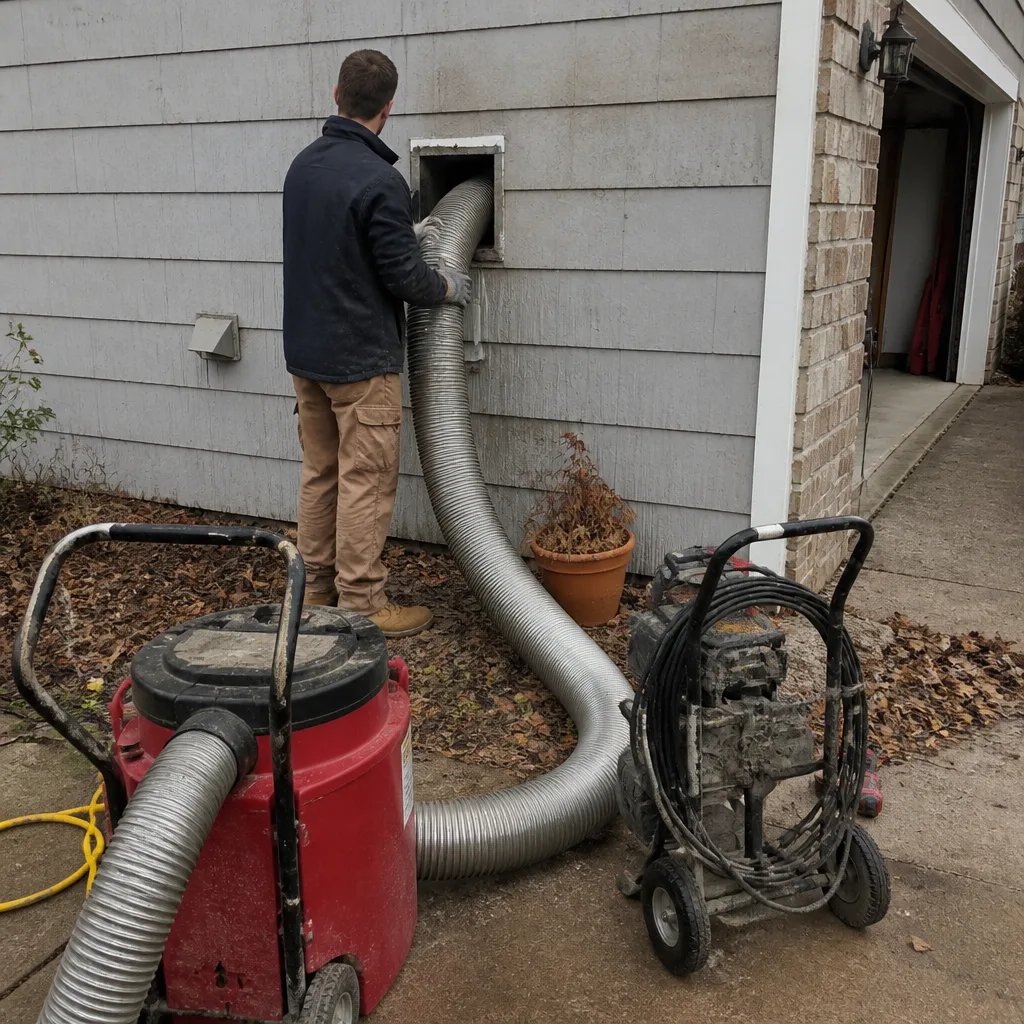 Before
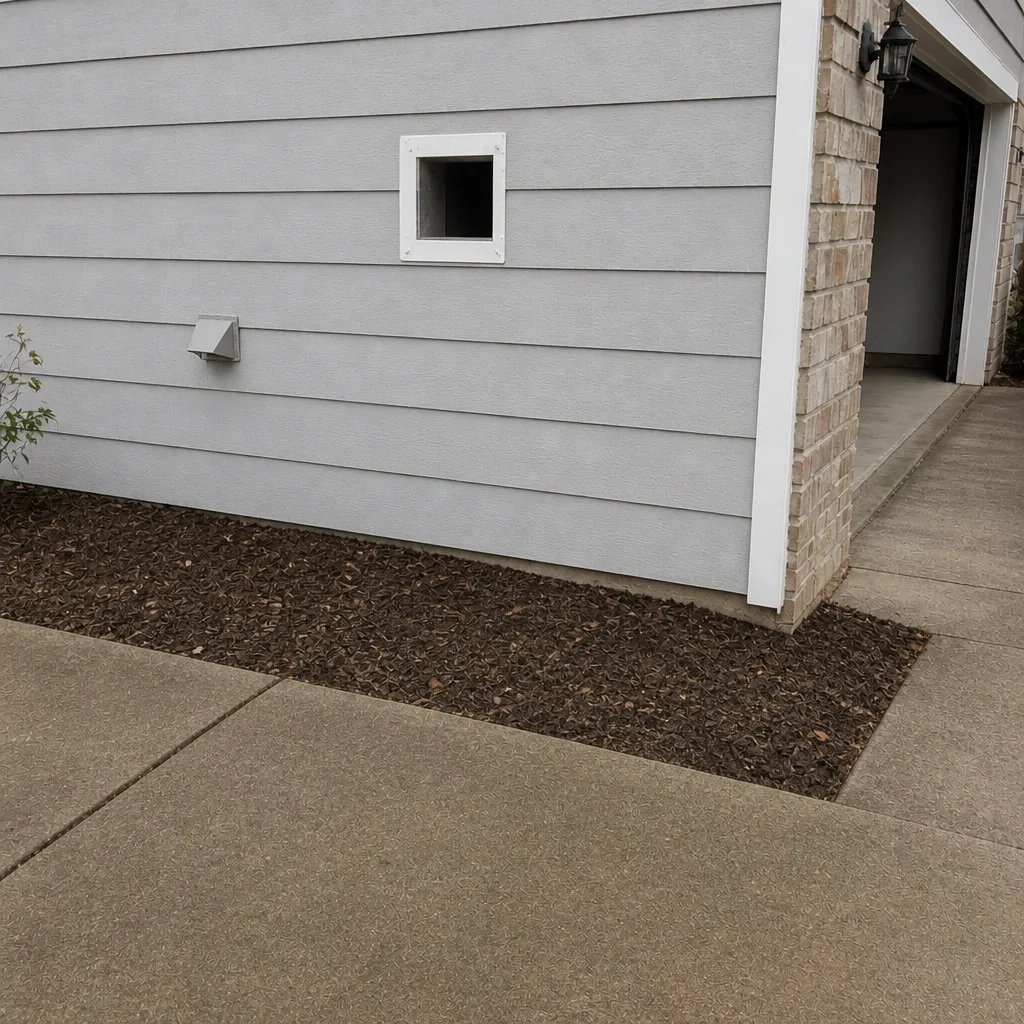 After
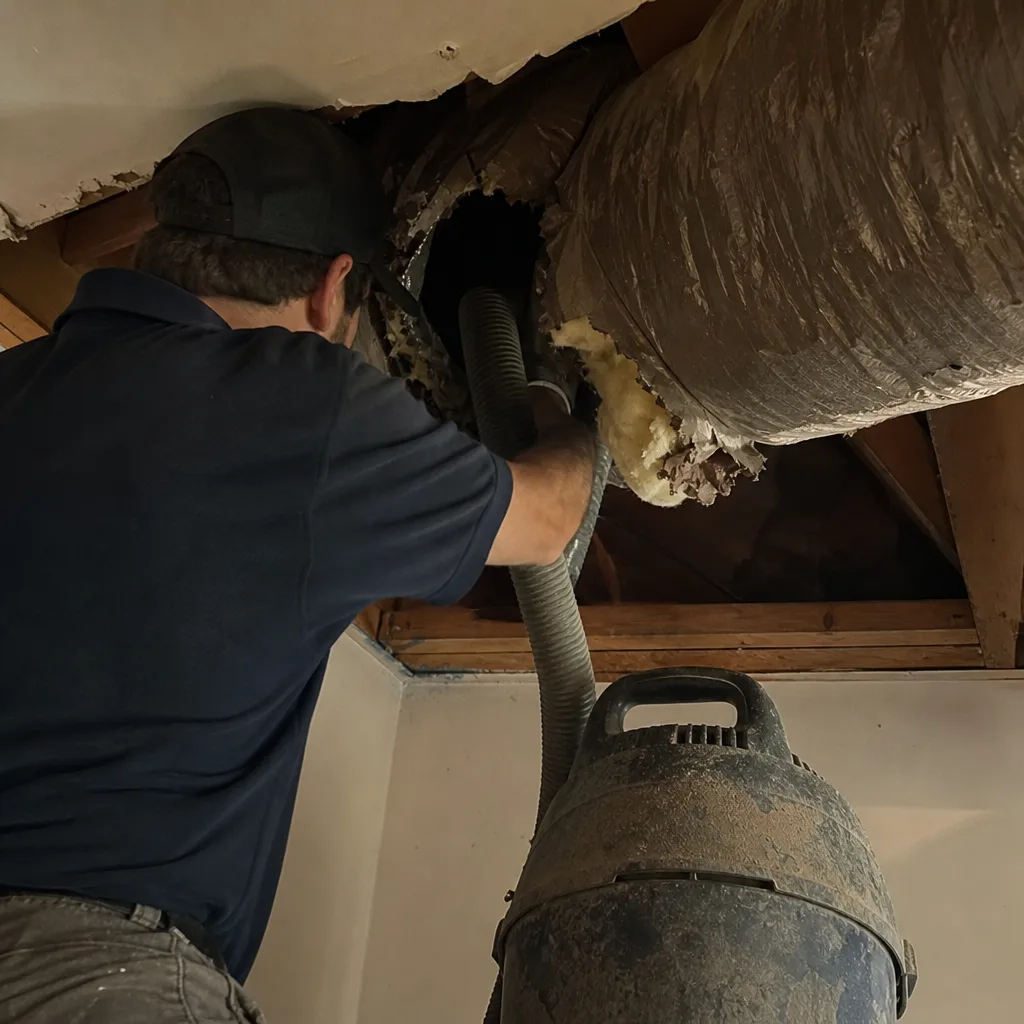 Before
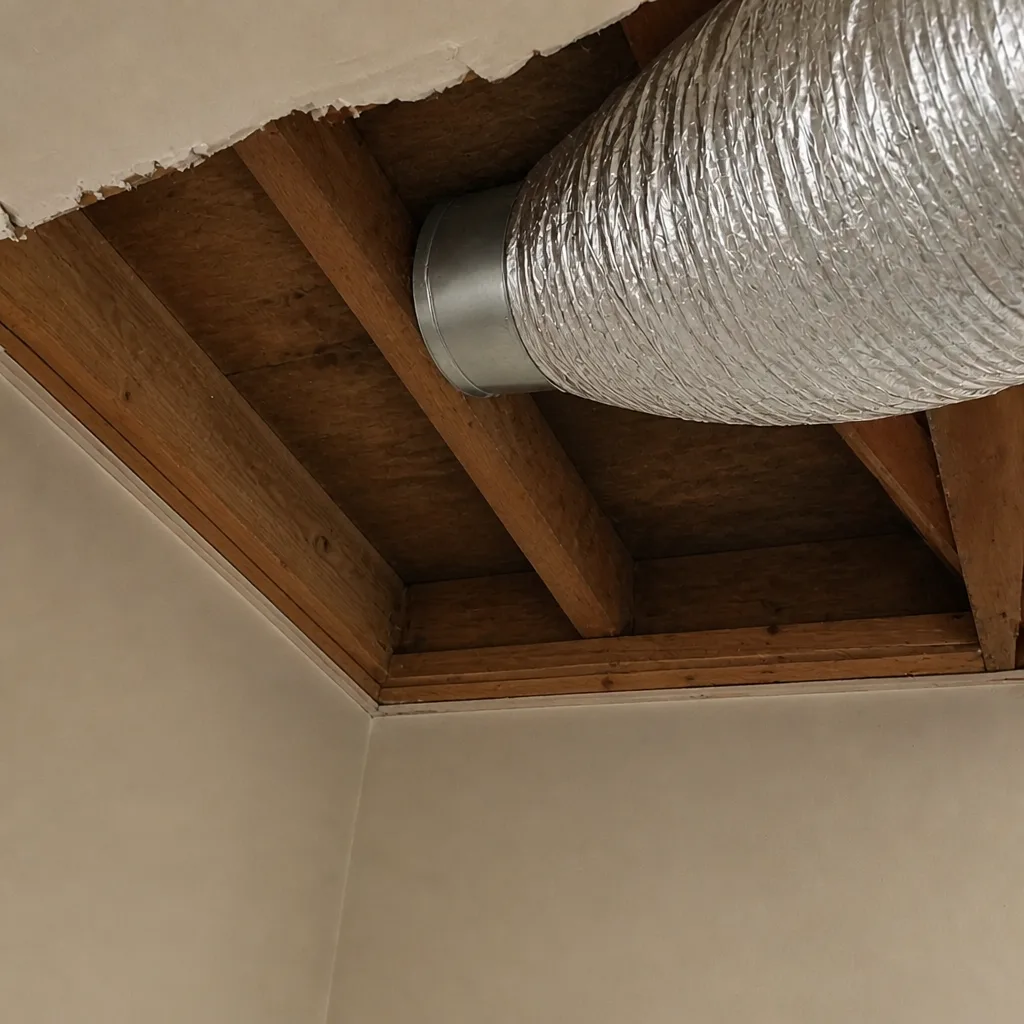 After
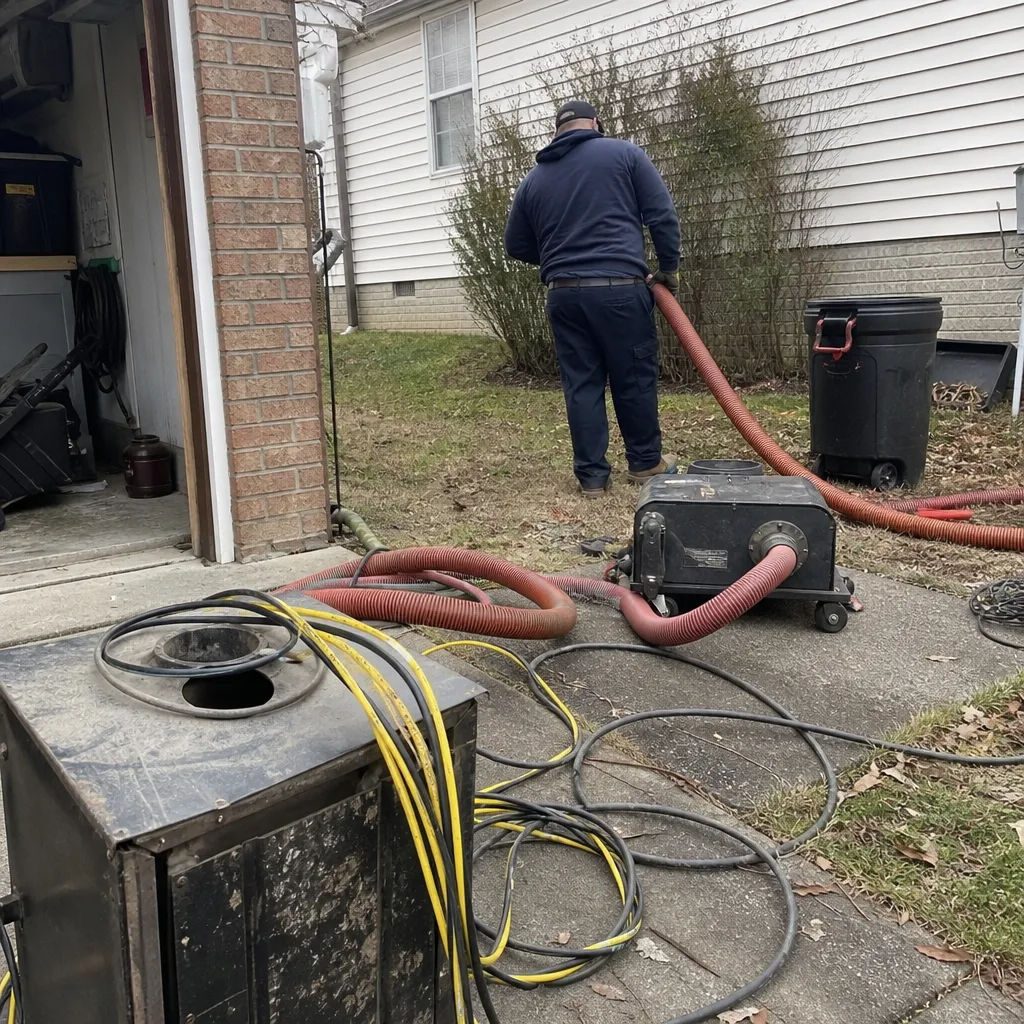 Before
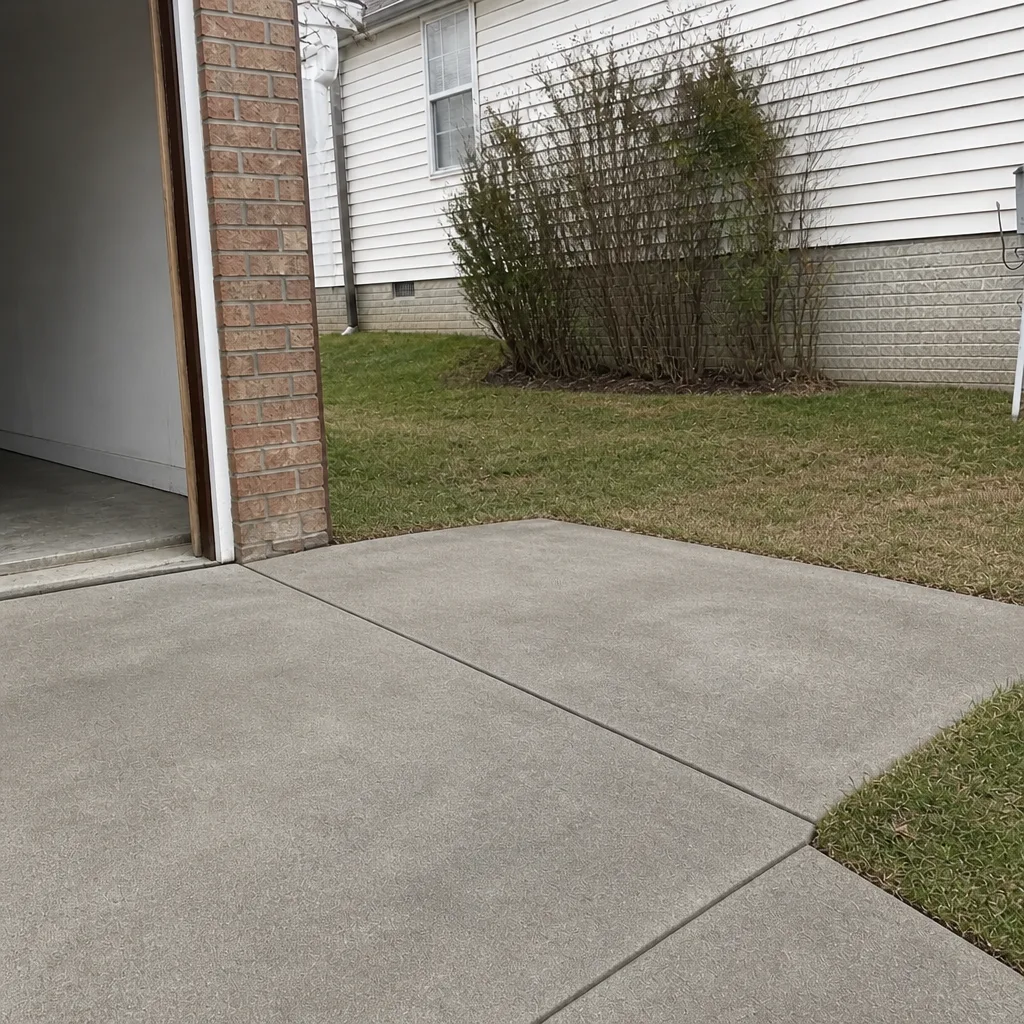 After
When to Call a Professional
A handful of situations cross the line into professional territory regardless of how handy you are. Visible debris blowing from supply registers when the system starts. A dryer that needs two cycles to dry a normal load. Uneven airflow that has appeared or worsened over months. Any recent remodel or water intrusion into the duct system. A move into a resale home where you don’t know the filter history. Ducts more than a decade old with mixed flex and rigid sections. Any home with a documented pest issue inside the ductwork. In each of these cases, the equipment gap between consumer tools and professional systems is the deciding factor; this isn’t about capability, it’s about reach.
Laurel Air Duct offers free estimates in Murfreesboro: call (888) 378-8438. Our technicians have up to 9 years of experience with the rotary-brush and negative-air equipment used on systems like yours, and we walk through what we found and what we recommend before any work begins.
Frequently Asked Questions
Whole-system air duct cleaning in Murfreesboro is priced per system, not per vent, and the written estimate sets the final price. The honest way to get a number for your home is a free estimate: the cost depends on square footage, the number of runs, and whether accessible duct repair is needed. Call (888) 378-8438 for an exact quote; estimates are free.
Cheap quotes are usually per-vent pricing with a low teaser number that grows once the technician is on site. The other common pattern is a quote that skips containment and negative-air equipment entirely, meaning the cleaning doesn’t reach the full run. Ask what equipment will be used and whether containment is included. Call (888) 378-8438 for a whole-system quote with a written estimate.
Before-and-after photos of your own ducts, taken during the job, are the honest answer. A real cleaning produces visible evidence because the equipment reaches the full run and the result can be photographed. A shop-vac job doesn’t produce that kind of evidence because it doesn’t reach far enough. Call (888) 378-8438 and we’ll walk through what your photos will show.
Most Murfreesboro homes can go several years between full cleanings unless a trigger event occurs: a remodel, water intrusion, a move into a resale home, visible debris at the registers, or a pest issue. Filter discipline in between matters more than cleaning frequency. If you’re unsure whether your system has hit a trigger, a professional inspection sorts it out. Call (888) 378-8438 for a free estimate.
You can safely clean the register grilles, return-air covers, and the shallow portion of the register boots. You cannot clean the duct system with a shop vac, because consumer vacuums can’t sustain the airflow needed to pull debris from a long run, and pushing a hose past the boot can tear flex duct liners. Call (888) 378-8438 to discuss what a professional cleaning would add on your system.
Yes, duct repair is one of our three core services alongside cleaning and dryer vent cleaning. When we’re cleaning a system and find a breached, disconnected, or collapsed duct, we fix it under the same booking rather than sending you to a separate contractor. Call (888) 378-8438 for a free estimate that covers both if needed.
The Bottom Line
DIY air duct cleaning works for the parts you can reach: register grilles, return covers, filter changes, and lint-trap clearing. It fails on the full duct system because a shop vac pulls from the shortest path and the airflow is left uncontained, which can push debris toward the air handler or tear flex duct. Professional equipment from Rotobrush and Abatement Technologies, paired with a whole-system written estimate and before-and-after photos, produces a result the consumer tools cannot. In Murfreesboro, that decision boundary is about equipment reach, not capability.
Laurel Air Duct is a specialist: cleaning, repair, and dryer vent work handled under one provider. Call (888) 378-8438 for a free estimate on your Murfreesboro home. We answer 24/7. Fast dispatch from 7am to 7pm, Sunday through Friday.
Written by the team at Laurel Air Duct.