
Last updated November 16, 2026
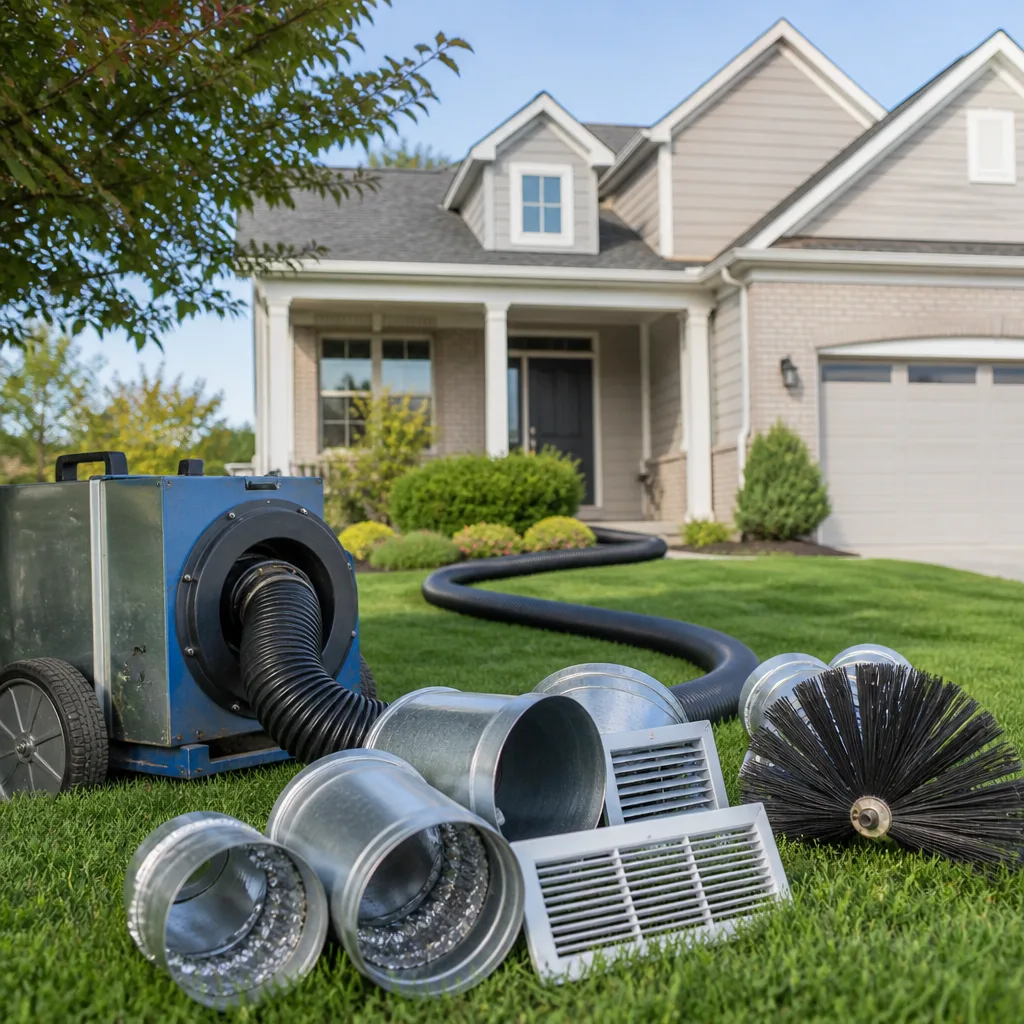 Whole-home duct cleaning
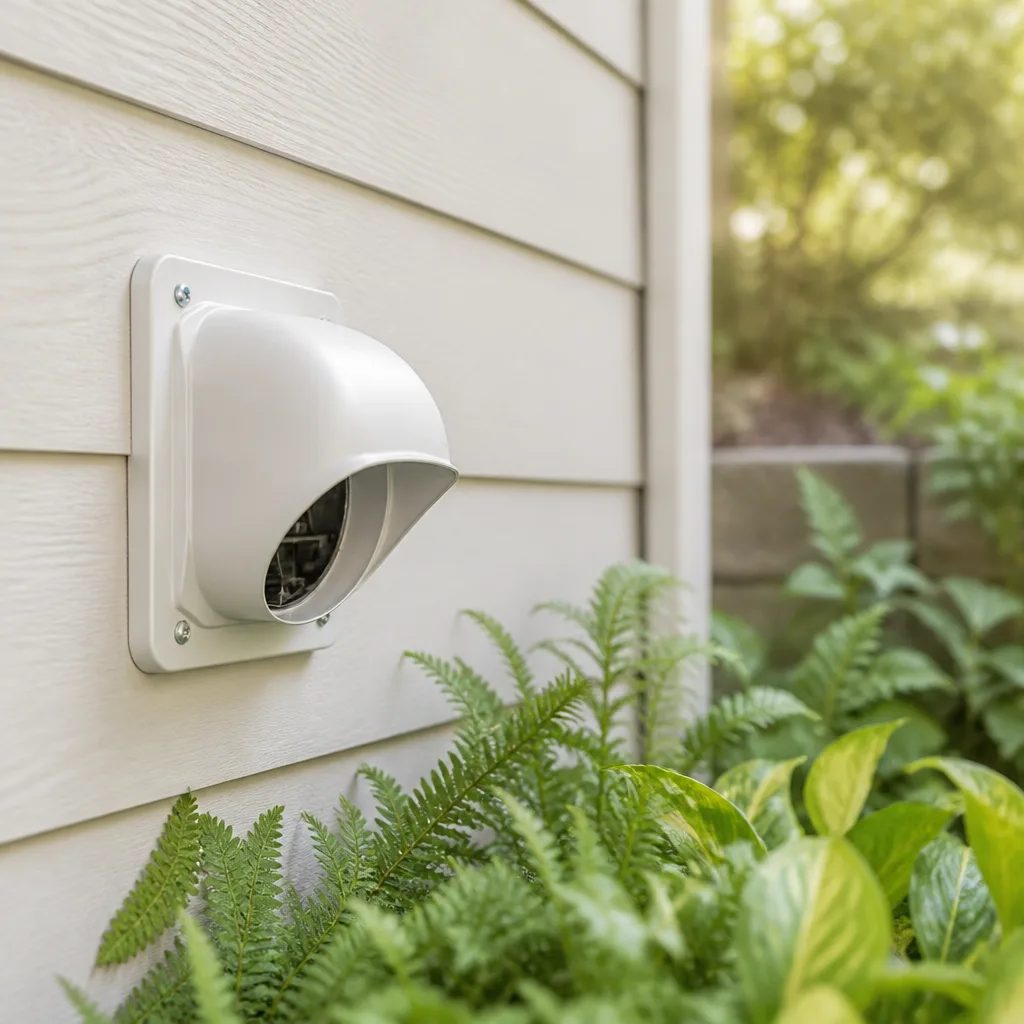 Dryer vent cleaning
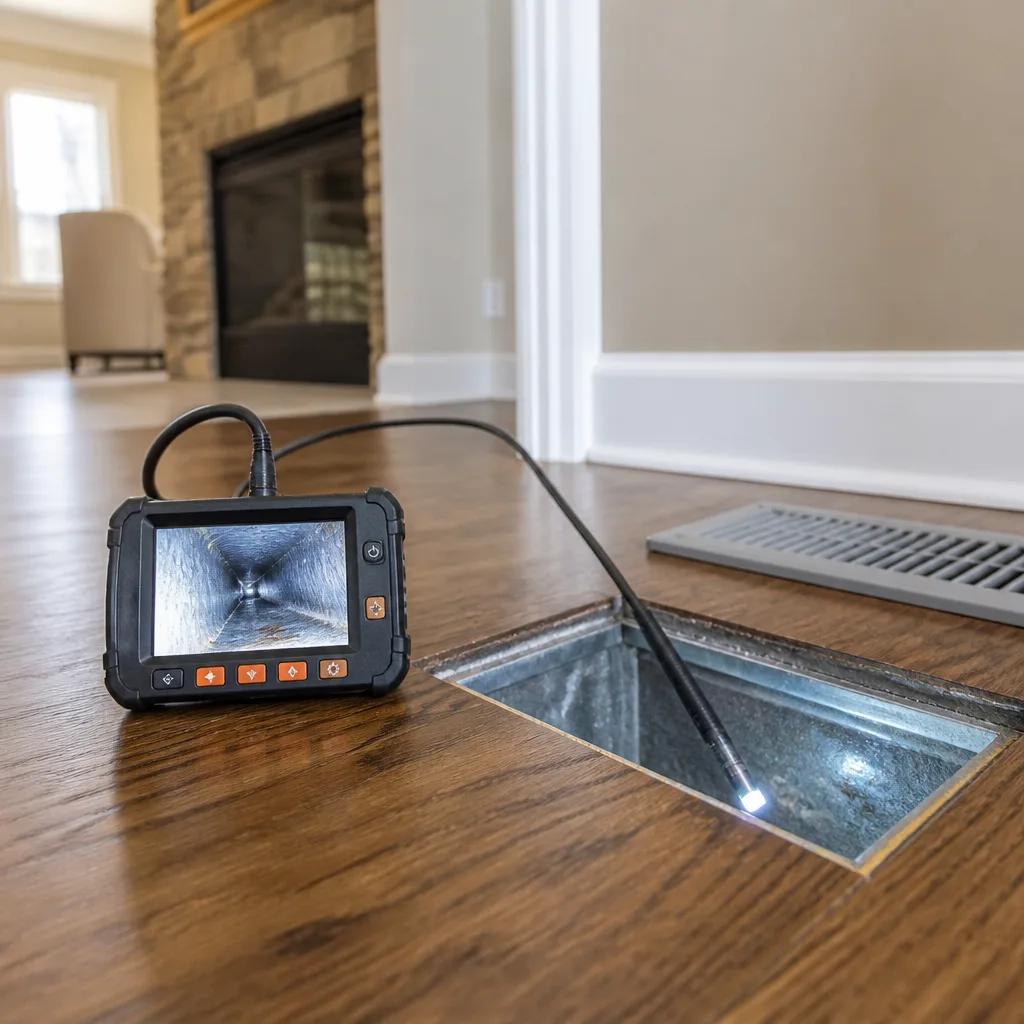 Camera inspection
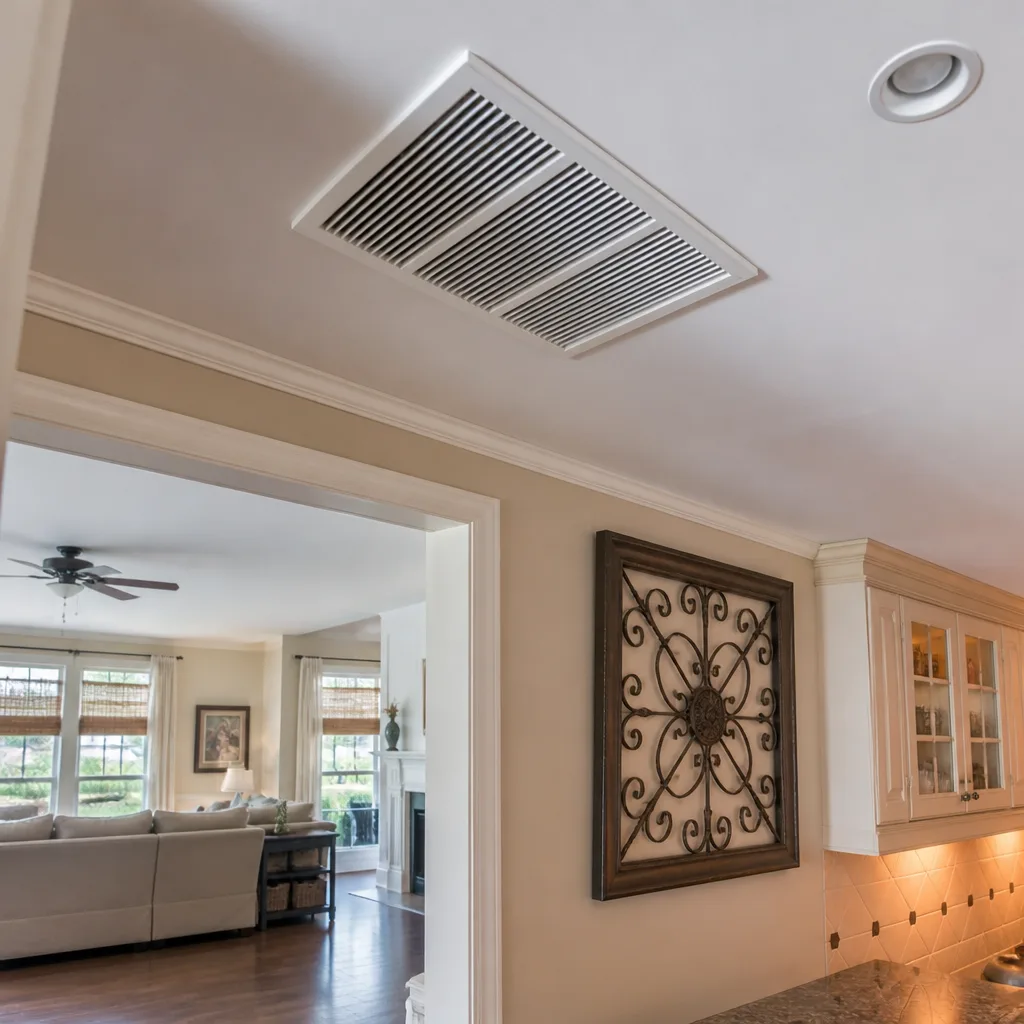 Sanitizing & deodorizing
Whole-system duct and dryer vent check with before-and-after photos - you see exactly what came out of your vents
That "$99 whole-house special" is a bait ad - the real number appears once they are in your hallway, or the "clean" is a shop-vac at the register. We photograph the inside of your ducts before and after instead.
Air Duct Cleaning Maintenance Schedule: What to Do and When
The “clean every 3 to 5 years” rule has spread because it’s easy to repeat, not because anyone benchmarked it against real duct conditions. Most of that advice traces back to a broad advisory from the 1990s EPA that gave a default range and never claimed it fit every home. The variables that actually drive how fast your ducts load up – pet hair, renovation dust, duct material age, and how hard your system runs through a Murfreesboro summer – don’t fit inside a single number. This guide gives you a decision framework instead: what to watch, what to log, and when to schedule real work.
Quick Answer
There’s no universal interval. A home with no pets, a well-sealed duct system, and regular filter changes can often go longer between cleanings, while a household with shedding pets, recent renovation, or allergy sufferers may need attention much sooner. In Murfreesboro’s long cooling season, systems run hard for months, which accelerates debris accumulation. Use the variable-interval model below rather than a fixed calendar number.
Styles & brands we work with
- Whole-home duct cleaning
- Dryer vent cleaning
- Camera inspection
- Sanitizing & deodorizing
Table of Contents
- Why the 3-to-5-Year Rule Falls Short
- The Variables That Actually Drive Duct Debris
- What to Inspect and Log Between Cleanings
- Maintenance Tasks That Extend Intervals vs. Myths
- Dryer Vent Cleaning: A Separate Safety Schedule
- Year-by-Year Checklist: Homeowner vs. Specialist
- Local Factors in Murfreesboro
- Common Mistakes to Avoid
Why the 3-to-5-Year Rule Falls Short
The 3-to-5-year recommendation wasn’t pulled from thin air – it came from a general EPA advisory meant to guide homeowners toward periodic inspection, not to set a hard technical standard. The problem is that a range covering every home in America can’t account for a house with two German Shepherds versus a house with no pets and a tightly sealed duct system. Both end up with the same default number, and one of them is probably cleaning too often while the other waits too long.
In our experience working duct systems in Murfreesboro, we see homes that clearly needed attention inside two years and homes that were still in reasonable shape well past five. The difference comes down to a handful of load factors that any homeowner can observe once they know what to look for. That’s the whole point of a variable-interval model: you watch the signals, and the signal tells you when to book.
Here’s the baseline. A home with no pets, no recent renovation, a well-maintained filter schedule, and moderate HVAC runtime is a baseline home. That’s your reference point. Every accelerating factor you add moves the cleaning interval shorter. The more factors stack up, the faster you should plan on booking service.
The Variables That Actually Drive Duct Debris
Debris accumulation isn’t a steady drip. It’s driven by specific inputs, and several of them hit harder in Middle Tennessee than people expect.
- Pets: Shedding animals push hair and dander into return air constantly. A home with one heavy-shedding dog can load filters and duct surfaces noticeably faster than a pet-free home. This is one of the biggest single accelerators.
- Renovation activity: Drywall dust, sawdust, and construction debris get pulled into returns during any remodel. A single kitchen or bath renovation can deposit more debris in a few weeks than a normal year of living.
- Occupant allergies and respiratory sensitivity: If someone in the home reacts to dust, the threshold for “clean enough” drops. The same system that’s tolerable for one household is a problem for another.
- HVAC runtime: This is the quiet one. Murfreesboro’s cooling season runs long, and a system that runs hard from May through September moves far more air through the ducts than a system in a milder climate. More air movement means more debris carried in and deposited on duct surfaces.
- Duct material and age: Older ductboard and flex duct can degrade internally, releasing fibers and giving debris more surface to cling to. Sealed metal ductwork behaves differently from aging flex runs.
- Return-air design and filtration: A system with a single undersized return filter and a cheap fiberglass pad will pass more particulate into the ducts than one with proper filtration and sealing.
Stack two or three of these and you’re no longer a baseline home. That’s when the 3-to-5-year default stops being useful and you start watching your own system’s signals instead.
What to Inspect and Log Between Cleanings
The variable-interval model only works if you’re actually watching. These are the three signals worth tracking, and none of them require special tools.
- Filter loading rate. Note how many weeks it takes for a fresh filter to look visibly loaded. If a filter that used to last three months is now gray and matted in six weeks, that’s a signal the system is pulling in more particulate than before – often a duct-loading sign, not just a filter problem.
- Visible debris at the registers. Pull a supply register and look inside with a flashlight. A light dust film is normal. Clumps of hair, visible fiberglass, or dark buildup coating the duct walls means debris has moved past the filter and is settling in the runs.
- Dryer vent exhaust time. Time how long a load takes to dry fully. If drying times creep up over successive weeks, the vent line is likely clogging. That’s a separate schedule item covered below, but it’s one of the easiest checks you can do.
A simple notebook or phone note works fine. Log the date of each filter change, a quick description of what you saw at the registers, and any change in dryer performance. Over a year, that log tells you far more about your duct system than any generic interval ever could. In Murfreesboro, we suggest starting the log in early spring, right before the long cooling season begins, so you capture the full load cycle.
Maintenance Tasks That Extend Intervals vs. Myths
Some between-cleaning habits genuinely stretch the time before you need professional service. Others do nothing, and a couple can make things worse.
What actually helps:
- Changing filters on a real schedule. This is the single most effective thing you can do. Match filter changes to your loading rate, not a fixed calendar reminder.
- Sealing obvious duct breaches. A disconnected or unsealed joint pulls attic or crawlspace air straight into the system, dragging in debris. Fixing breaches is part of proper air duct cleaning follow-up and belongs in your maintenance plan.
- Keeping returns clear. Furniture or rugs blocking return grilles restrict airflow and change how debris settles.
- Managing renovation dust at the source. Sealing off returns or shutting the system down during heavy demo work keeps construction dust out of the ducts in the first place.
What doesn’t help:
- Spraying “sanitizer” into duct interiors between cleanings. This is a myth that gets sold hard. A spray fogged into a dirty duct doesn’t remove the debris – it wets it. No legitimate maintenance value comes from fogging duct interiors on a between-cleaning schedule.
- Running a consumer shop-vac into a register. It pulls surface dust and leaves the rest, and it does nothing for the deeper runs or the blower.
- Air fresheners or scent products in the supply path. These mask odors without addressing the source, which is usually debris or moisture.
When it’s time for real work, the tools matter. Our technicians use professional-grade rotary-brush systems from Rotobrush and Nikro units – the same class of equipment HVAC contractors use – along with Abatement Technologies HEPA containment to capture dislodged debris instead of redistributing it through the house. Professional-grade equipment, not shop-vac shortcuts.
Dryer Vent Cleaning: A Separate Safety Schedule
Dryer vent cleaning does not belong on the same calendar as duct cleaning. It’s a distinct task driven by a distinct risk. The U.S. Fire Administration links clogged dryer vents to thousands of residential fires each year, which makes this a fire-safety item, not an air-quality convenience.
The interval logic is different, too. A dryer vent loads with lint at a rate that depends on dryer usage, vent run length, and how many elbows the line has. A household running several loads a day with a long, elbow-heavy vent line clogs far faster than a two-person household with a short, straight run. Time-of-drying is your signal here: when loads start taking noticeably longer, the vent is loading up.
- Track drying time for a standard load monthly.
- Check the exterior vent flap – it should open freely with strong airflow when the dryer runs.
- Watch for the dryer feeling unusually hot to the touch or the laundry coming out damp at the end of a cycle.
- Book dryer vent cleaning when any of those signals first appear, rather than waiting for a fixed date.
We treat dryer vent cleaning as its own dedicated safety service, not an upsell tacked onto a duct job. That means real equipment and a real inspection of the full vent path, because a partially cleared line is still a fire risk.
Year-by-Year Checklist: Homeowner vs. Specialist
Here’s the actionable version. Split each year into what you handle and what needs a specialist, so the schedule actually stays on track instead of living in your head.
Year one – establish your baseline:
- Start a filter and register log (homeowner).
- Time your dryer’s standard load (homeowner).
- Inspect a few supply registers with a flashlight (homeowner).
- Have the duct system assessed by a specialist to set your starting point (specialist).
- Check and clean the dryer vent line (specialist).
Years two and beyond – work the signals:
- Change filters per your logged loading rate (homeowner).
- Re-check register debris and drying time quarterly (homeowner).
- Fix any visible duct breach or disconnected joint promptly – this is where Laurel Air Duct repair work comes in, since cleaning alone can’t solve a collapsed or disconnected run (specialist).
- Book duct cleaning when your signals say it’s due, not on a fixed date (specialist).
- Book dryer vent cleaning on its own drying-time-driven schedule (specialist).
The key discipline is separating the two schedules. Duct cleaning follows your debris-load signals; dryer vent cleaning follows your drying-time signals. Bundling them arbitrarily is how people either over-clean one and ignore the other.
Local Factors in Murfreesboro
Murfreesboro’s climate shapes the load on your duct system more than a national default range can capture. The cooling season here is long, which means the air handler runs hard for months and pushes a steady volume of air through the ducts. That’s runtime, and runtime is a debris accelerator.
In our experience across Murfreesboro, we also see a lot of homes with aging flex duct and ductboard runs, particularly in older neighborhoods where the original ductwork is still in place. Aging duct material gives debris more surface to cling to and, when it degrades internally, releases fibers that a filter can’t fully catch. That’s a real factor in how often a Murfreesboro home should schedule service.
Filtration upgrades also make more sense here than in a mild climate. Post-cleaning, we can source indoor air quality products from Honeywell and Aprilaire, so the filtration and sealing work that extends cleaning intervals actually matches the local load your system faces. One specialist for cleaning, repair, and dryer vent safety keeps the whole schedule coherent. If you’re near Nolensville, the same logic applies to your system’s runtime and duct age.
Common Mistakes to Avoid
- Following the 3-to-5-year default with no observation. It’s a starting point, not a standard. A home that ignores its own loading signals will either over-clean or wait too long.
- Skipping the register check. Most debris problems announce themselves at the register before they show up on a bill. A two-minute flashlight check catches them early.
- Bundling dryer vent cleaning onto the duct schedule. These are different risks with different interval logic. Lint fire risk doesn’t wait for a duct-cleaning date.
- Fogging the ducts with sanitizer between cleanings. It wets the debris without removing it and does nothing for the source. Real cleaning means extraction, not a spray.
- Ignoring a breached or disconnected duct run. A breach pulls unfiltered air into the system and accelerates loading fast. Cleaning won’t fix it – that’s repair work.
- Trusting a shop-vac approach. Consumer equipment can’t reach the deeper runs or the blower, and it can redistribute dust rather than capture it. HEPA-contained professional equipment does the actual job.
- Assuming a Murfreesboro home seasons the same as a milder climate. The long cooling season here means more runtime and faster debris accumulation. Don’t import a schedule written for a different climate.
See the difference
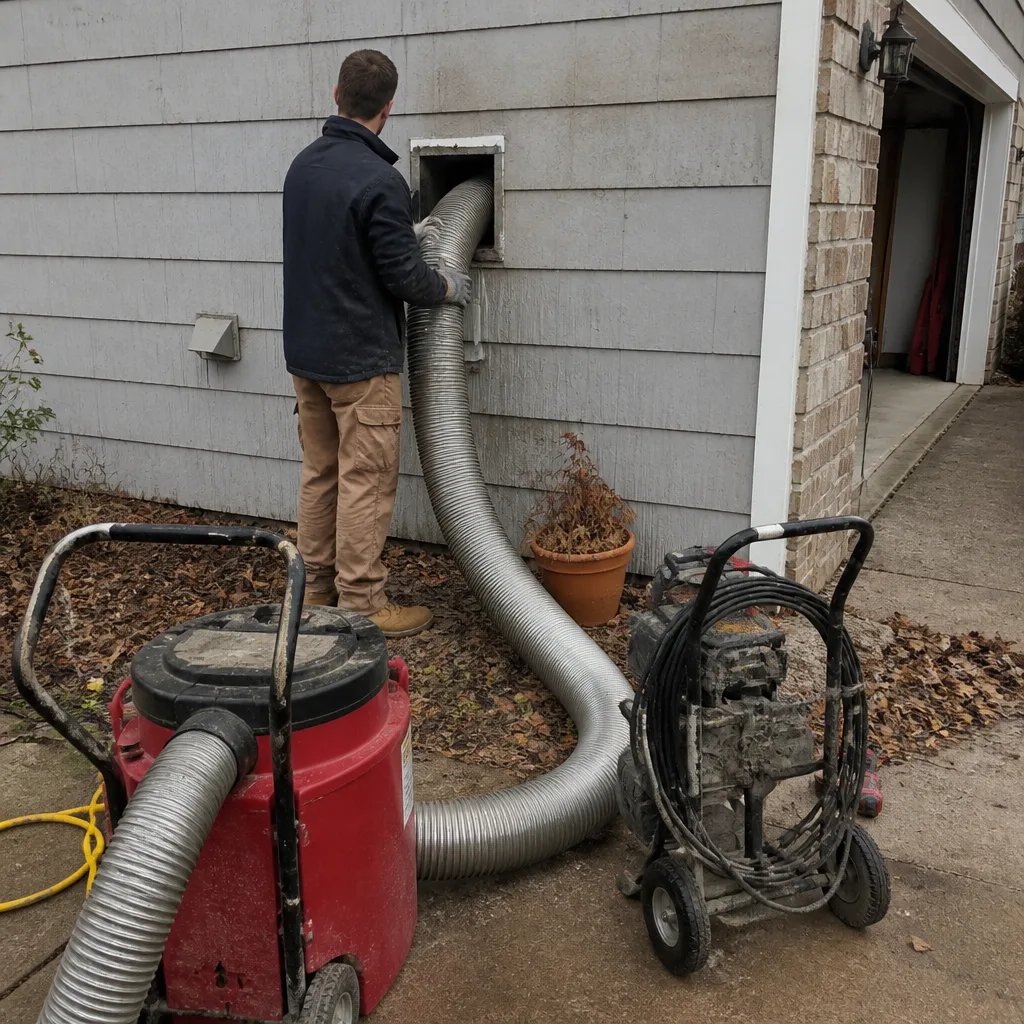 Before
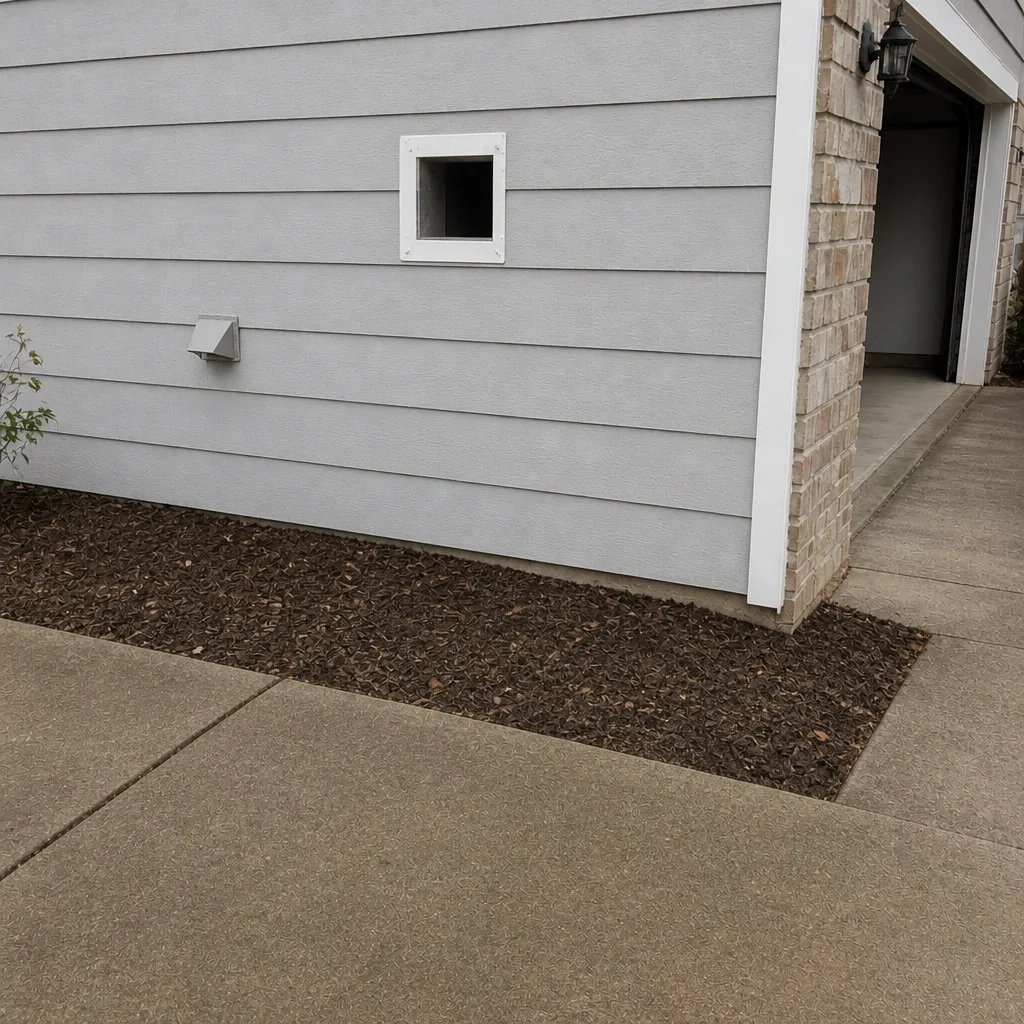 After
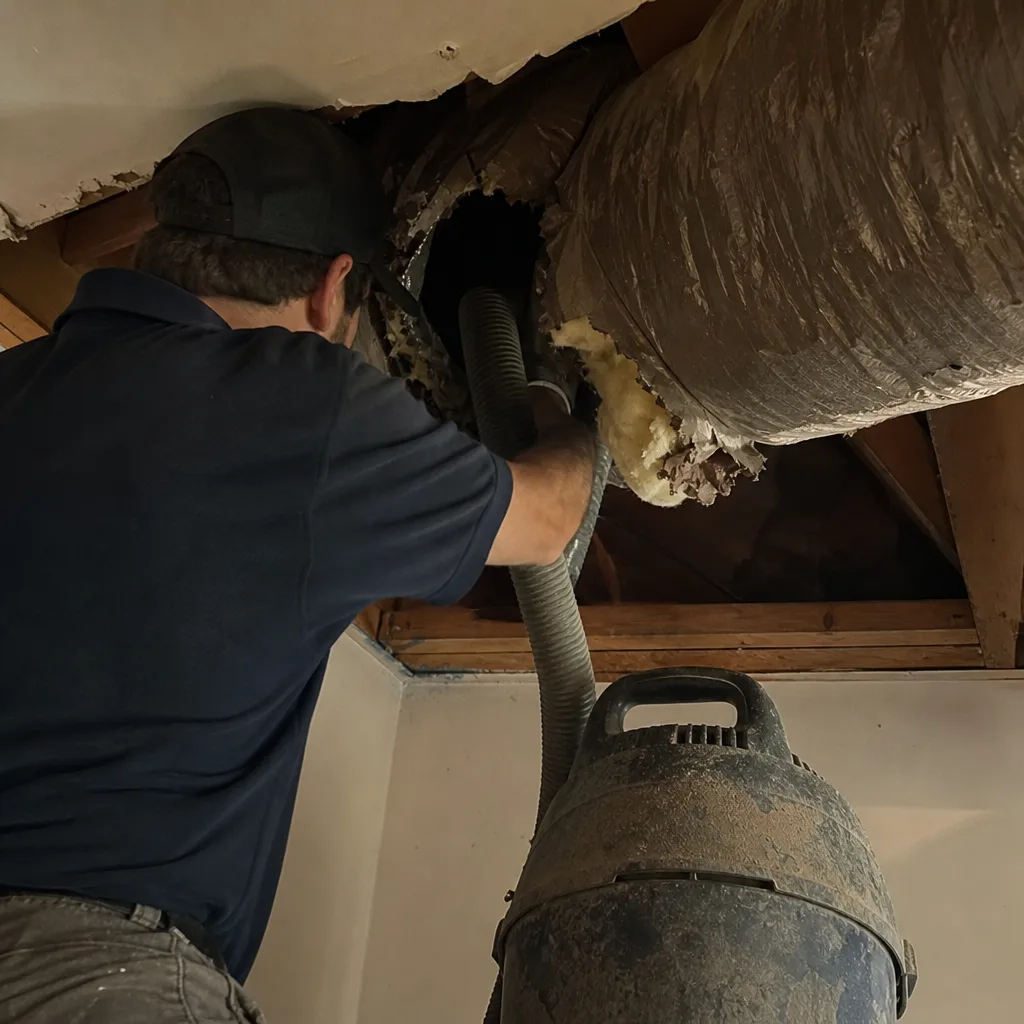 Before
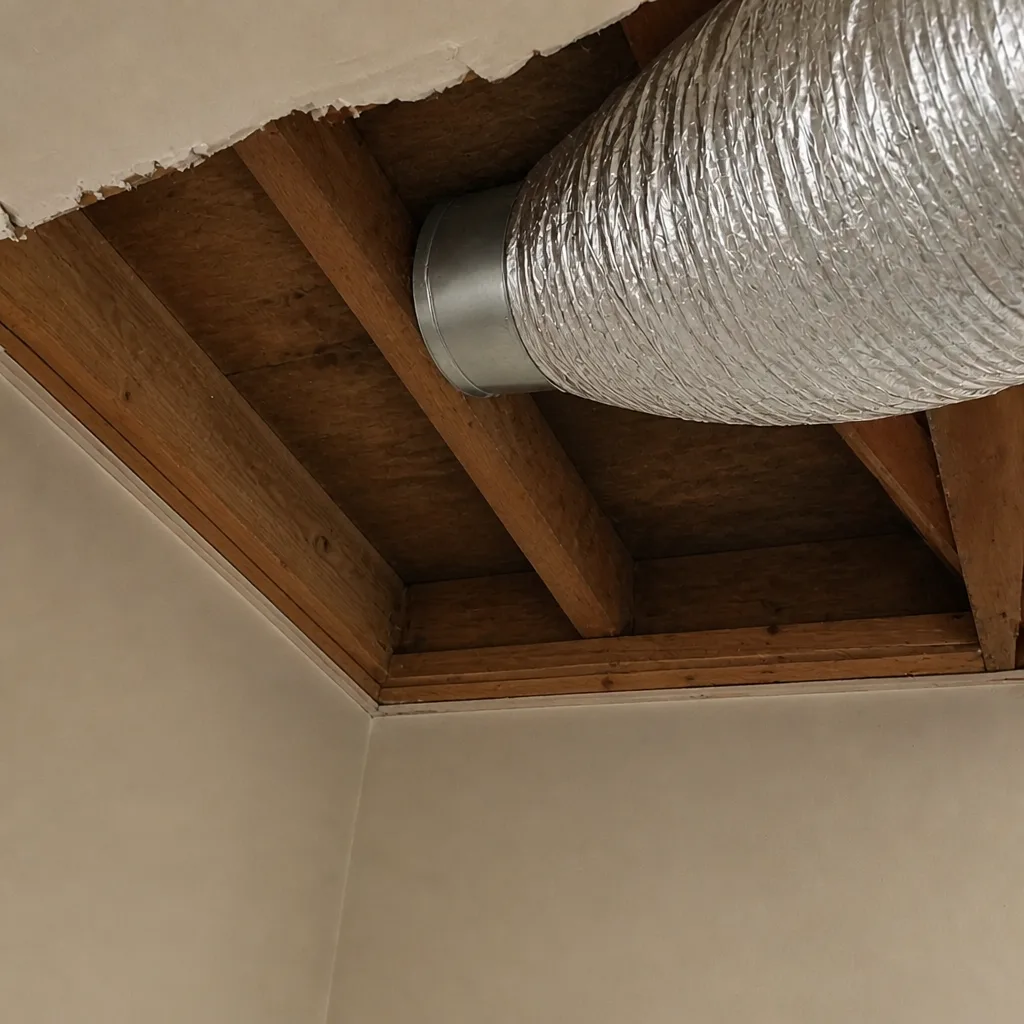 After
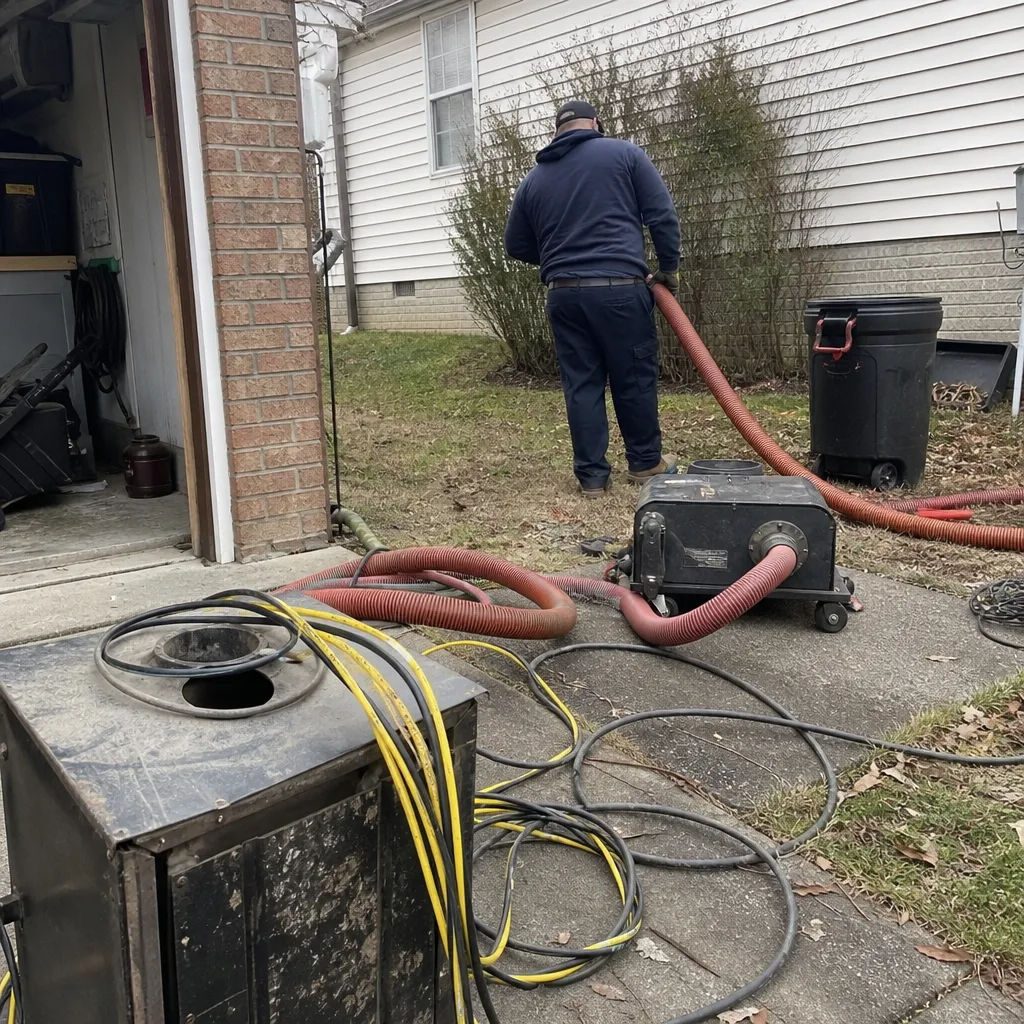 Before
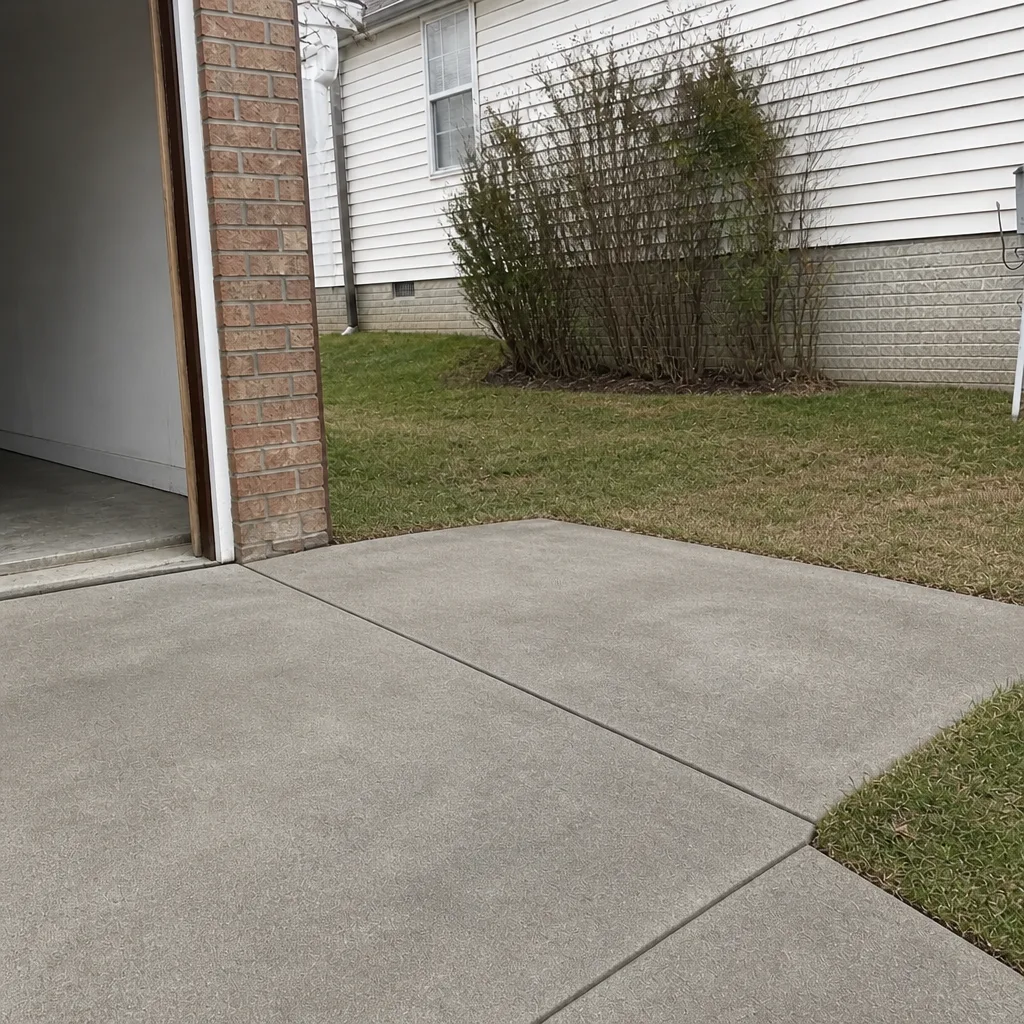 After
When to Call a Professional
Call a specialist when your log shows filter loading accelerating, when you see clumps of hair or fiberglass at the registers, when a duct joint looks disconnected, or when dryer loads start taking longer than usual. Call sooner if anyone in the home reacts to dust or if you’ve just finished a renovation. These are all signals that the variable-interval model is telling you it’s time. Air duct repair is also specialist work – a breached or collapsed run can’t be fixed by cleaning alone. Laurel Air Duct offers free estimates in Murfreesboro – call (888) 378-8438. We answer 24/7, with fast dispatch from 7am to 7pm, Sunday through Friday. The written estimate sets the price before any work starts.
Frequently Asked Questions
There’s no single correct interval. A baseline home with no pets, no renovation, and steady filtration can often go longer between cleanings, while a home with pets, recent renovation, or allergy sufferers should watch its signals and book sooner. Use your filter loading rate and register debris as the guide rather than a fixed number of years.
It came from a broad 1990s EPA advisory meant to prompt periodic inspection, not a technical standard for every home. It can’t account for pets, renovation, duct age, or Murfreesboro’s long cooling-season runtime, all of which change how fast debris accumulates. Watch your own system’s signals instead.
No. Dryer vent cleaning is a fire-safety task with its own interval logic driven by drying time, vent length, and usage. Bundle it onto a duct schedule and you risk letting lint build up between duct cleanings. Track drying time monthly and book vent cleaning when it starts climbing.
No. A spray fogged into duct interiors wets the debris without removing it and does nothing for the source. Real maintenance means filter changes, breach sealing, and professional extraction with HEPA containment when it’s due. Skip the fogging products.
Track the same three signals – filter loading rate, visible register debris, and dryer exhaust time – but start your log before the long cooling season, since runtime is high here for months. Aging flex duct in Murfreesboro homes is also worth noting, because material age affects how fast debris clings.
When filters load faster than they used to, when you see hair or fiberglass at the registers, or when a duct joint looks breached, that’s your signal. In Murfreesboro, call (888) 378-8438 for a free estimate and we’ll assess the system and set your starting point. Estimates are free.
The Bottom Line
The 3-to-5-year cleaning recommendation is a default, not a standard. Watch the variables that actually drive debris – pets, renovation dust, duct material age, and Murfreesboro’s long cooling-season runtime – and let your own signals set the interval. Log your filter loading rate, check registers with a flashlight, and time your dryer loads. Keep dryer vent cleaning on its own safety-driven schedule, skip the sanitizer fogging, and call a specialist for breaches and collapsed runs, since cleaning alone can’t fix those. Professional-grade equipment and HEPA containment do the real work. Call (888) 378-8438 for a free estimate in Murfreesboro.
Written by the team at Laurel Air Duct.