
Last updated November 16, 2026
 Whole-home duct cleaning
 Dryer vent cleaning
 Camera inspection
 Sanitizing & deodorizing
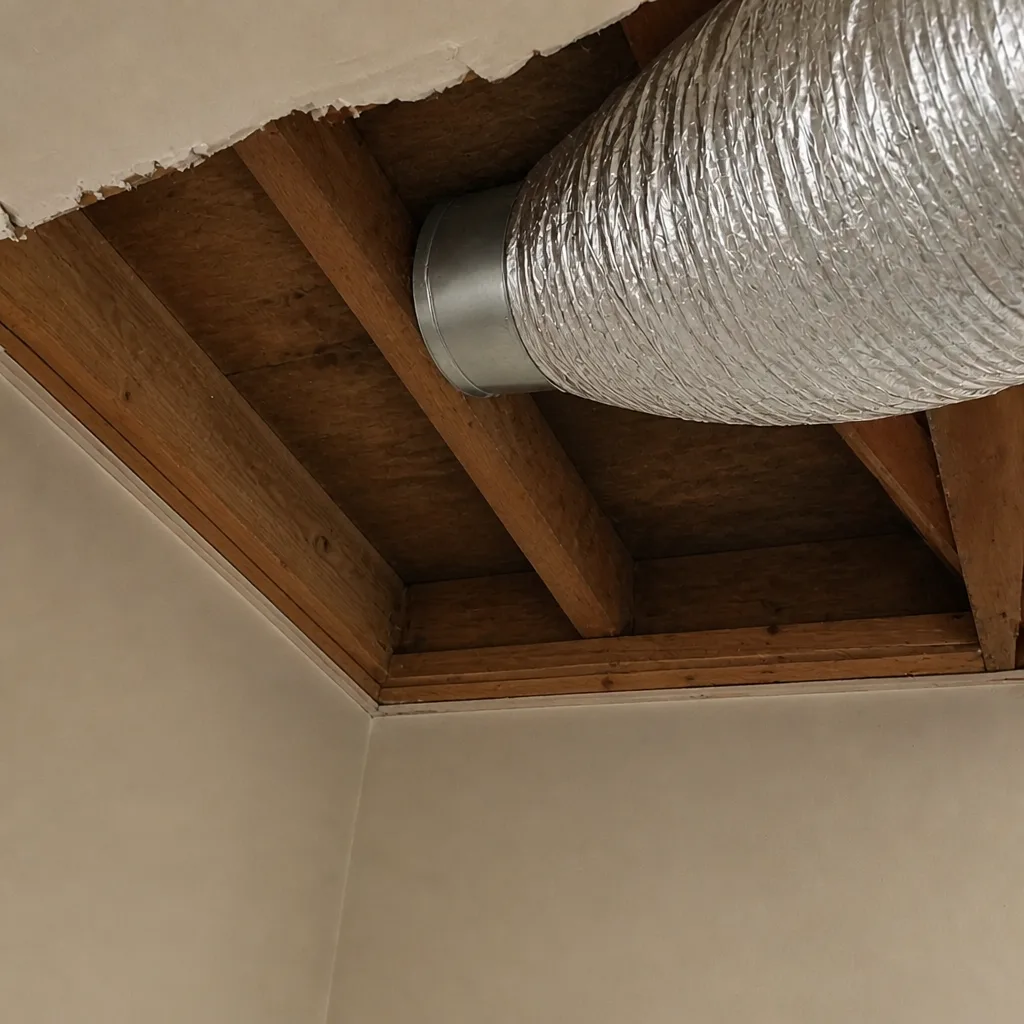
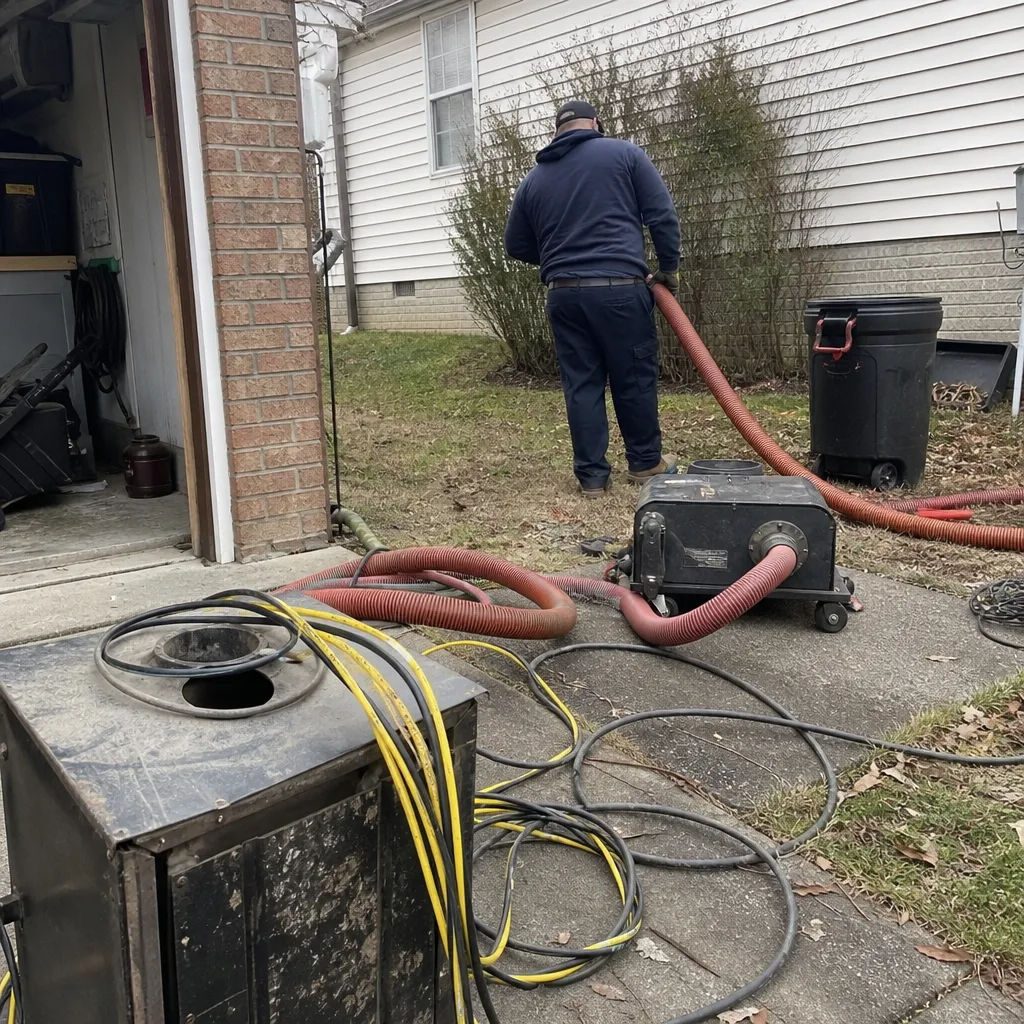
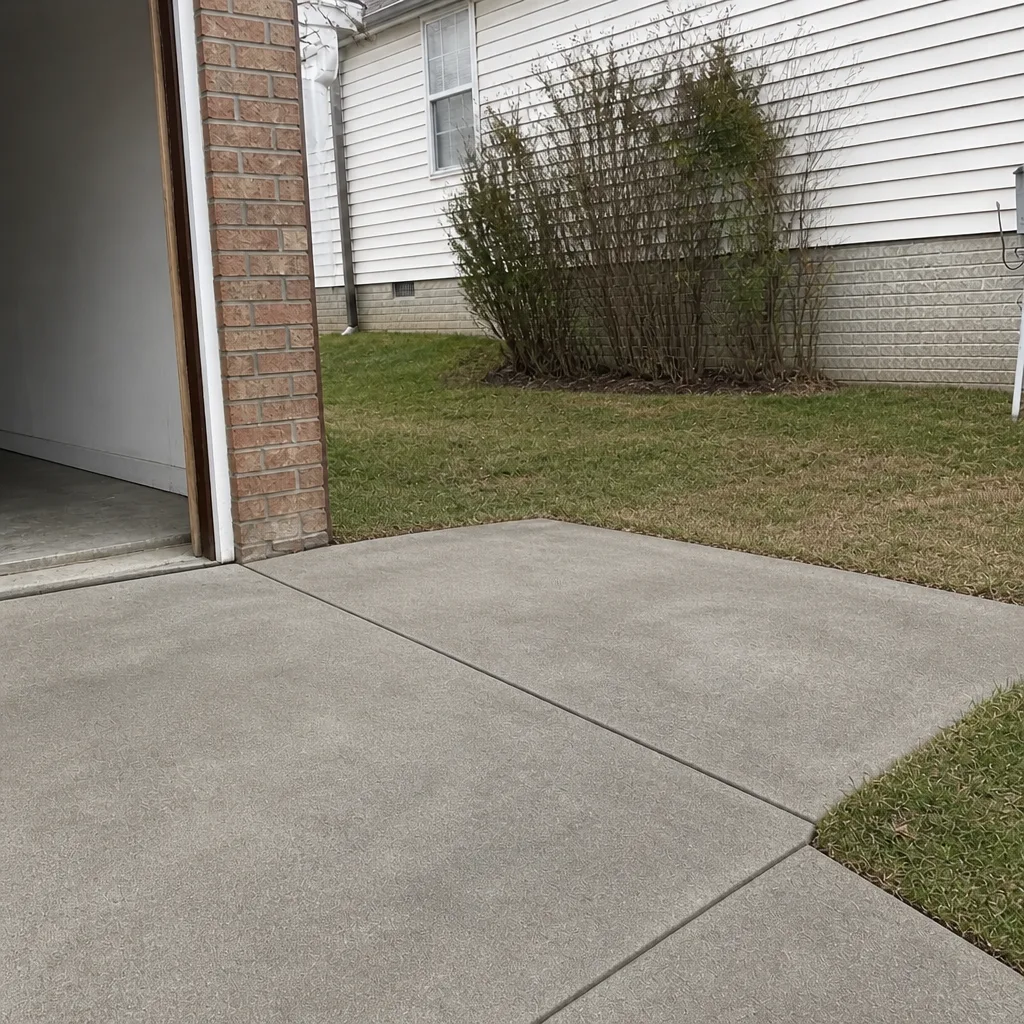
Whole-system duct and dryer vent check with before-and-after photos - you see exactly what came out of your vents
That "$99 whole-house special" is a bait ad - the real number appears once they are in your hallway, or the "clean" is a shop-vac at the register. We photograph the inside of your ducts before and after instead.
Choosing the Right Air Duct Cleaning Brand: A Buyer’s Guide for Murfreesboro
Any contractor can say they use “professional equipment.” That phrase costs nothing to type on a website and tells you nothing about what will actually show up in your driveway. The useful distinction is knowing the difference between a Rotobrush, a Hypervac, and a Ram-Air system, what each is designed to do, and which configuration fits the duct construction in your Murfreesboro home. We’ve watched homeowners wrestle with exactly this question, and the gap between a real specialist and a generalist with a shop vac comes down to specific tool categories you can learn to recognize. This guide gives you a working vocabulary of the equipment brands and system types that signal professional-grade duct work, so you can ask sharper questions before you book anything.
Quick Answer
The best air duct cleaning brands in Murfreesboro, TN use three tool families in combination: a negative-air machine to hold the duct under vacuum, a rotary-brush or contact-vacuum system to agitate debris loose, and camera inspection gear to confirm what’s inside the runs. Name brands like Rotobrush, Hypervac, Nikro, and Abatement Technologies matter because they’re built for HVAC and remediation contractors, not consumers. The brand on the invoice tells you less than the equipment on-site, so verify both.
Styles & brands we work with
- Whole-home duct cleaning
- Dryer vent cleaning
- Camera inspection
- Sanitizing & deodorizing
Table of Contents
- The Four Equipment Categories That Define Professional Duct Cleaning
- The Name-Brand Tools HVAC and Remediation Contractors Actually Use
- Matching Equipment to Duct Construction: Sheet Metal, Flex, and Duct Board
- Why Consumer Duct Cleaning Kits Are a Different Performance Tier
- Questions to Ask a Contractor to Verify Their Equipment
- What Happens When Cleaning Reveals a Breach or Disconnected Run
- Dryer Vent Cleaning as a Safety Service, Not an Upsell
- Post-Cleaning Filtration and Sealing Products
The Four Equipment Categories That Define Professional Duct Cleaning
Professional duct cleaning isn’t one machine. It’s a coordinated system, and serious contractors can explain each part. When you understand these four categories, you can tell within a few minutes of conversation whether you’re talking to a specialist or someone improvising.
1. Negative-air machines. These are high-volume vacuums that connect to the duct system and hold the entire network under negative pressure while cleaning happens. The point is containment: as debris is loosened inside the runs, the negative-air machine pulls it out through a HEPA filtration stage instead of letting it drift back into living space. In a Murfreesboro home where the HVAC runs through a conditioned crawlspace or attic, this matters, because a loose cloud of dust settles wherever it wants.
2. Contact vacuum systems. These are the source-side machines, portable HVAC cleaning units that combine suction with the reach needed to get into individual registers and branches. Nikro builds equipment in this category that contractors use on residential jobs.
3. Agitation tools. Suction alone doesn’t lift everything. Rotary brushes, whips, and air-driven tools physically break debris free from the duct walls so the vacuum can carry it away. Rotobrush systems are built around this principle, combining a rotating brush head with continuous vacuum.
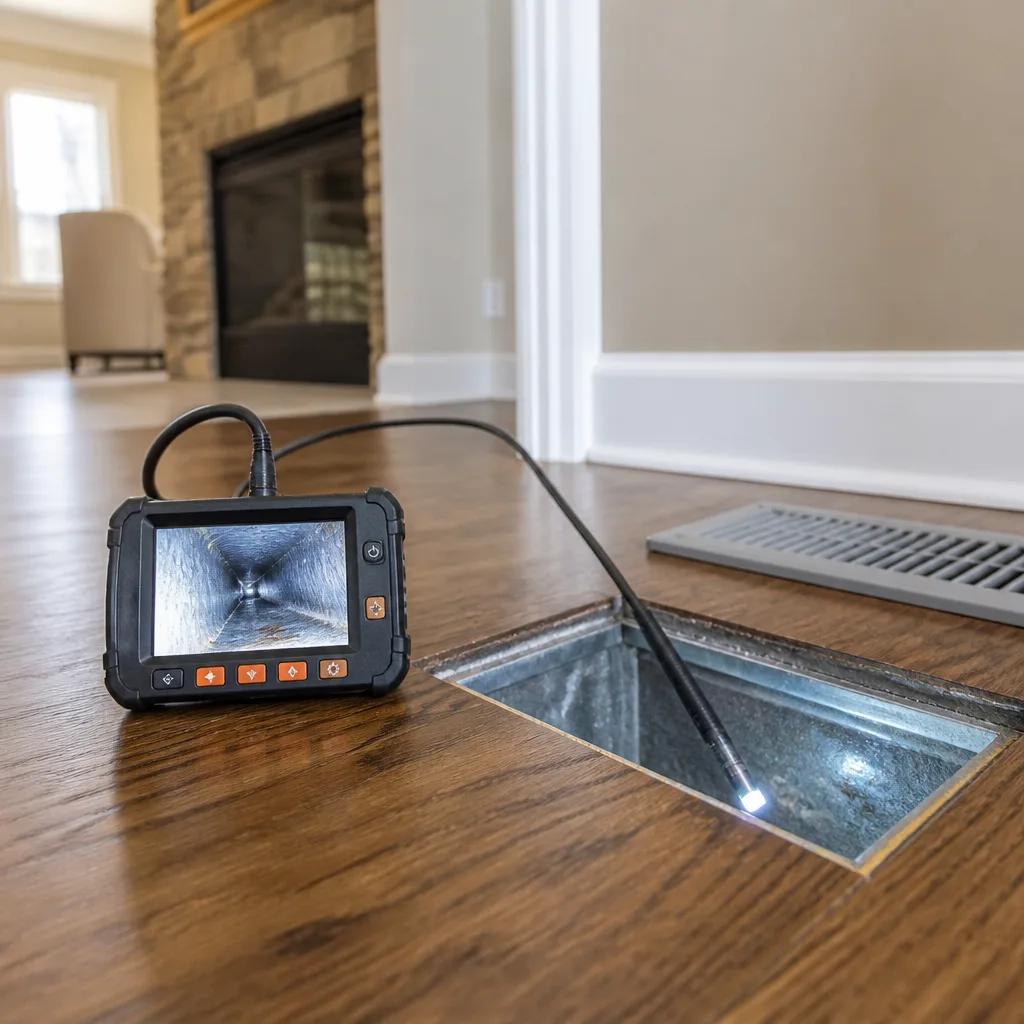
4. Camera inspection equipment. A camera on a flexible rod lets a technician see inside the runs before, during, and after cleaning, which is how you confirm work was done rather than taking someone’s word for it.
If a company can’t describe how they hold a system under vacuum while cleaning, that’s the first sign they’re not equipped for the job.
The Name-Brand Tools HVAC and Remediation Contractors Actually Use
Equipment brands aren’t household names because the tools are sold to the trade, not to homeowners at a hardware store. Here’s what each one is designed to handle, so the name means something when a contractor cites it.
- Rotobrush. Rotary-brush systems built for residential duct cleaning. The rotating brush agitates the duct interior while a vacuum captures loosened material. It’s the workhorse for standard residential runs and flexible duct.
- Hypervac. High-volume negative-air units that pull a large amount of air and debris out of the system. These are the containment backbone on a residential job, holding pressure while the brushes work.
- Nikro. Contact vacuum units and accessories used widely by HVAC and cleaning contractors. Think of it as the source-side suction that pairs with agitation tools.
- Abatement Technologies. HEPA filtration and containment equipment originally built for remediation work. When a contractor brings this category into a home, it’s to capture dislodged contaminants rather than redistribute them. That’s the difference between cleaning a duct and blowing dust through a house.
Our own work leans on Rotobrush rotary-brush systems and Nikro units for the cleaning, with Abatement Technologies containment and HEPA filtration running at the same time. The brand names matter because these are the same product lines HVAC and remediation contractors use, not consumer-grade versions with a familiar-sounding label. If you’re comparing quotes in Murfreesboro, ask each contractor to name the negative-air machine they’ll run and whether it has a HEPA stage.
Matching Equipment to Duct Construction: Sheet Metal, Flex, and Duct Board
A duct system isn’t uniform. Most Murfreesboro homes have a mix of construction types, and each one asks something different from the tools. A contractor who uses the same brush on everything isn’t matching equipment to the job.
Sheet metal trunk lines. Rigid galvanized duct is the most forgiving surface. It handles rotary-brush agitation well, and the smooth interior lets debris travel to the negative-air pickup without getting trapped. Sheet metal branch runs allow firm brushing and thorough contact vacuuming.
Flexible duct runs. Flex duct has a corrugated inner liner, which means debris collects in the ridges and the liner can be damaged by too much pressure or the wrong brush. Skilled technicians use softer agitation and moderate suction here, watching liner condition as they go. This is where an overly aggressive approach can cause a problem instead of solving one.
Fiberboard duct board. Duct board has a porous, fibrous surface. It needs gentler contact tools and careful suction, because it can be scuffed or compressed if handled like sheet metal. A contractor using a heavy rotary brush on duct board is a red flag.
When we assess a system, we look at construction mix before deciding the tool configuration. In a typical Murfreesboro home you might find sheet metal in the main trunk, flex feeding the bedrooms, and duct board in a return. Each section gets handled to suit its material. If a contractor can’t tell you how they adjust for flex versus duct board, they’re likely running one default setup on every job. For a closer look at the full cleaning process, see our page on air duct cleaning.
Why Consumer Duct Cleaning Kits Are a Different Performance Tier
There’s a wide gap between a $40 drill attachment from a home center and a rotary-brush system used by contractors. It isn’t about marketing; it’s about what the tool can physically do.
Consumer attachments, including drill-mounted brushes and flexible kits sold for dryer ducts, are designed for a homeowner reaching a short distance into a single run. They don’t hold the system under negative pressure, so whatever they brush loose has nowhere to go except back into the room or the air handler. They don’t have a HEPA stage. They can’t handle the volume of a whole-house system, and they give you no way to confirm what you actually removed.
The same logic applies to shop-vac-style machines advertised as duct cleaning tools. A shop vac moves a fraction of the air volume that a dedicated negative-air unit moves. On a Murfreesboro home with a heat pump or gas furnace and a long trunk run, a shop vac will pull some loose dust from the register nearest the connection and leave everything upstream in place.
Here’s the honest way to think about it: the consumer tools have a place for tiny spot jobs, but they sit in a completely different performance tier from contractor equipment. That’s why “we use professional equipment” needs a follow-up question. Which equipment, and what does it do?
Questions to Ask a Contractor to Verify Their Equipment
A website can list any brand. Verification happens on the phone and at the door. Use this sequence when you’re comparing duct cleaning companies in Murfreesboro.
- Ask which negative-air machine they’ll run. A specialist will name a brand and model category. A generalist will describe “a big vacuum.”
- Ask whether the system uses HEPA filtration. This is the containment question. A negative-air machine without a HEPA stage captures the big stuff and puts fine particles back into the air.
- Ask what agitation tools they use for flex versus sheet metal. The answer tells you whether they understand duct construction or run one setup for every home.
- Ask whether they use a camera. Camera inspection is how you get proof. If they can’t show you inside the runs, you can’t confirm anything was cleaned.
- Ask for before-and-after photos of your own ducts. Not a stock gallery on the website. Your ducts, from your house.
- Ask what happens if they find a disconnected or damaged run. A cleaning-only company stops there. A specialist can fix it while they’re there.
Run these questions past any company you’re considering in Murfreesboro. The answers will separate the specialists from the companies that added duct cleaning to a menu of other services. Every one of those top quotes should also be real before-and-after shots, not stock imagery. We shoot ours on every job.
What Happens When Cleaning Reveals a Breach or Disconnected Run
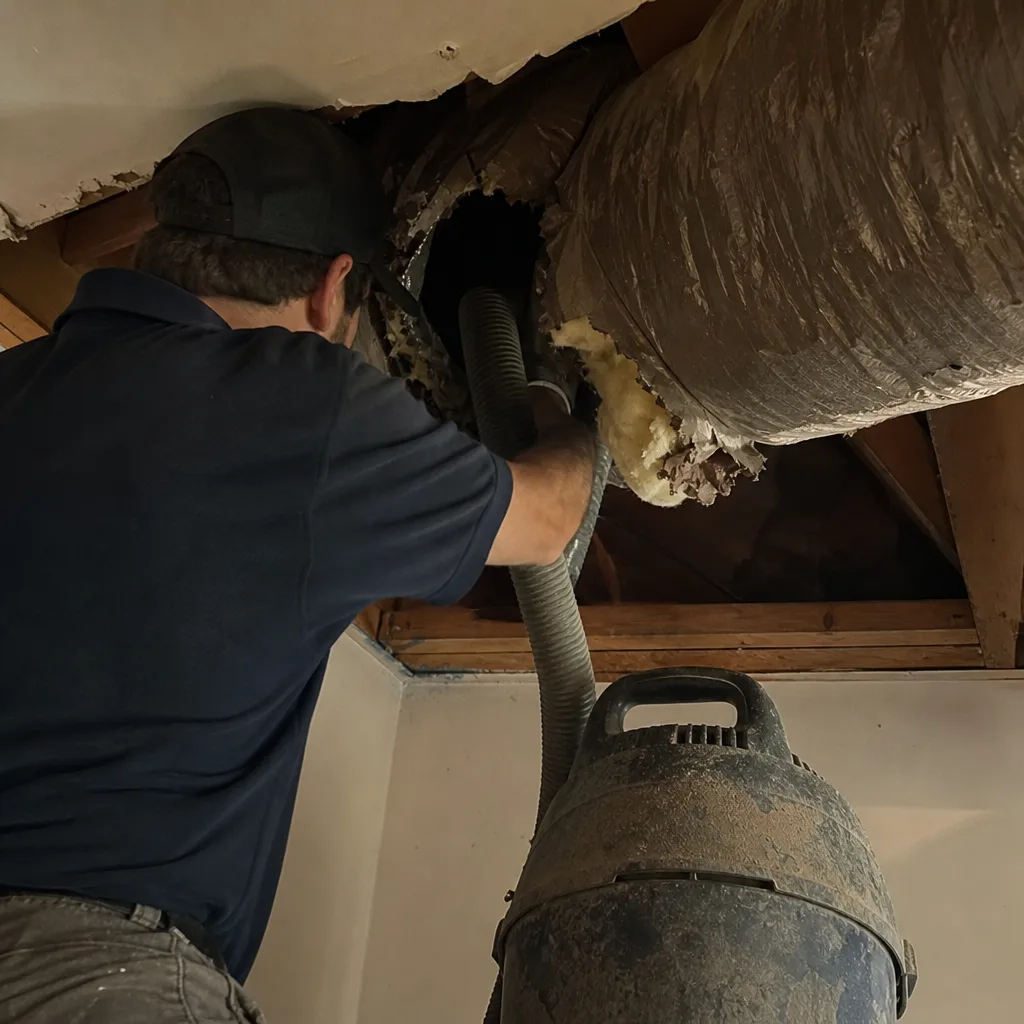
Duct cleaning often uncovers something that cleaning alone can’t fix: a disconnected flex run in the attic, a crushed section behind a knee wall, a joint that never got sealed. In older Murfreesboro housing stock, especially homes that have had additions or HVAC replacements over the years, disconnected returns are more common than homeowners expect.
This is where the specialist-versus-generalist distinction gets concrete. A cleaning-only contractor finds the breach, tells you about it, and leaves. You then have to find someone else to fix it. A duct-system specialist can repair it on the same visit, which matters because a breached run undermines everything upstream: conditioned air leaks into the attic or crawlspace, the system works harder, and the freshly cleaned ductwork starts pulling in unfiltered air through the gap.
Duct repair covers reconnecting dislodged flex, patching separated sheet metal joints, replacing collapsed sections, and sealing gaps with mastic or foil tape appropriate to the material. In our experience, it’s common for a cleaning job to reveal at least one run that needs attention, which is why we treat duct repair as part of the same service scope rather than a separate trip. We clean it, and if it’s broken, we fix it. If you suspect a problem before a cleaning, Laurel Air Duct can assess during the same visit.
Dryer Vent Cleaning as a Safety Service, Not an Upsell
Clogged dryer vents are a real fire hazard. The U.S. Fire Administration links them to thousands of residential fires each year, and the mechanism is straightforward: lint accumulates in the vent run, restricts airflow, and the dryer runs hotter than designed until trapped lint ignites.
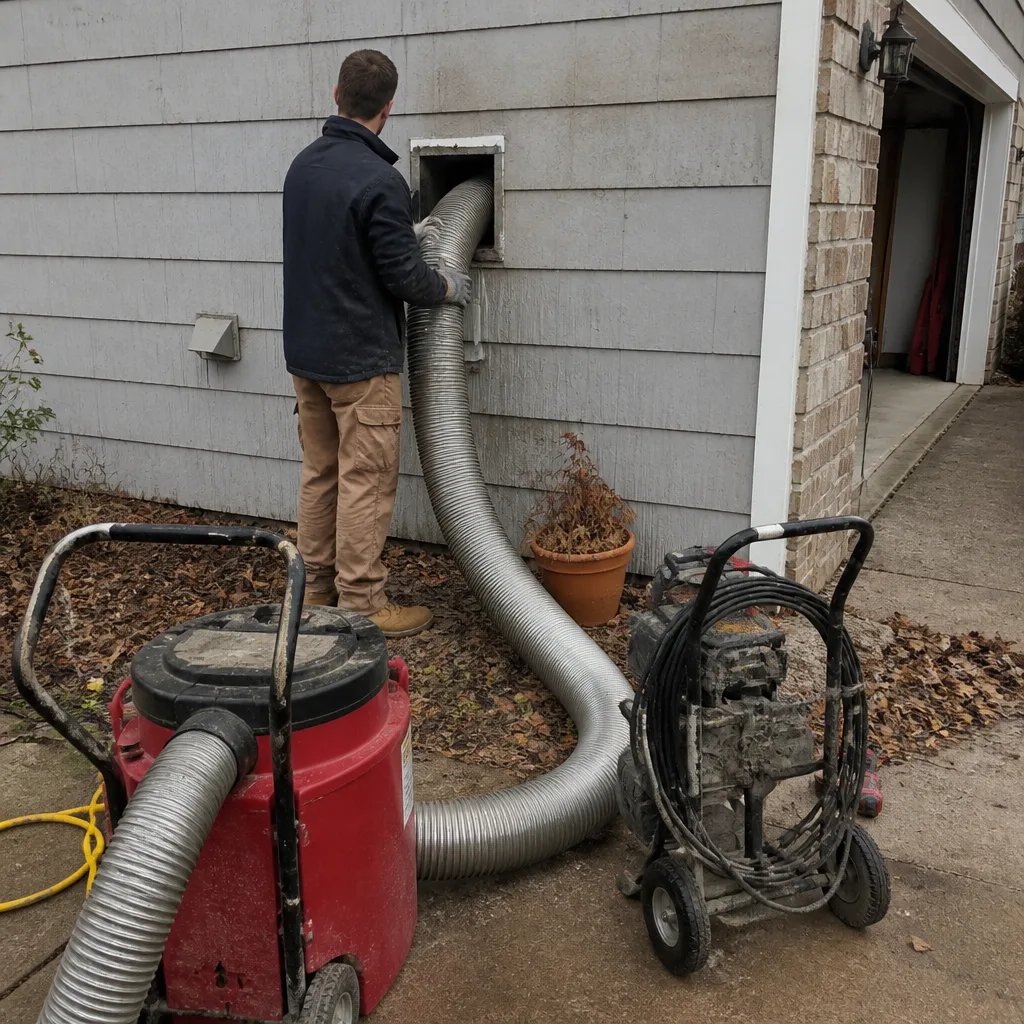
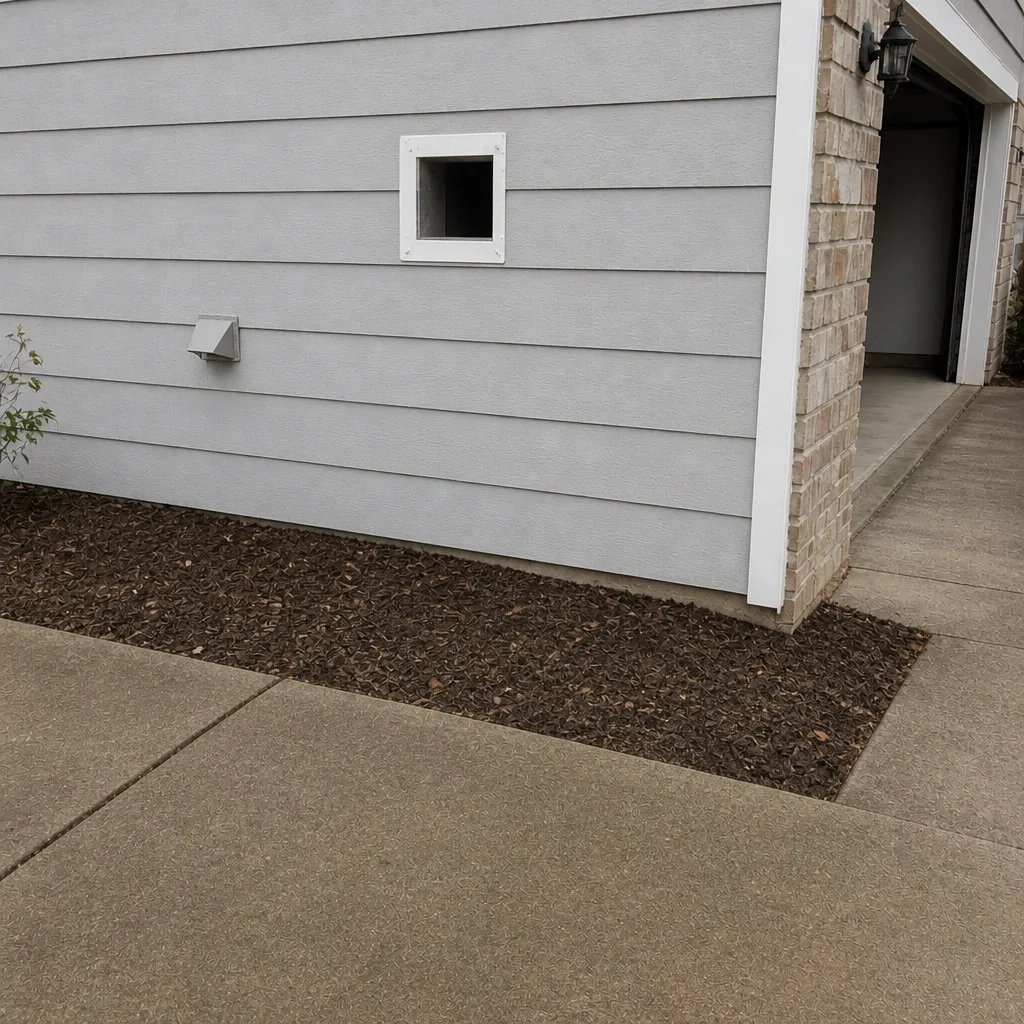
A dedicated dryer vent cleaning is different from adding a quick lint-trap wipe to an air duct invoice. It involves running a brush and vacuum through the full vent path from the dryer connection to the exterior termination, confirming the flapper opens freely, and checking that the run isn’t crushed behind the appliance. In Murfreesboro homes where the dryer sits on an interior wall, the vent path can run several feet through the wall before exiting, and that hidden run is where lint builds up.
We treat it as a fire-safety service because that’s what it is, and the risk doesn’t wait for convenience. Consumer drill attachments for dryer ducts reach partway in, but they don’t have the reach or the suction to clear a full run. If your dryer takes longer than it used to dry a load or the exterior vent flap doesn’t open fully during operation, it’s worth having the full run cleaned rather than improvising. Learn more about dryer vent cleaning and what a proper job involves.
Post-Cleaning Filtration and Sealing Products
Cleaning resets the system. Keeping it clean depends on filtration and sealing, and the equipment brand on the filter tells you what you’re actually buying.
A standard fiberglass filter with a low MERV rating protects the equipment but doesn’t capture much of the fine particulate that circulates through a home. Upgrading to a higher-MERV filter, or to a media filter cabinet, catches more, but you need to match it to the blower’s capacity so you don’t restrict airflow. This is where brands matter: Honeywell and Aprilaire make filters and filtration components used widely in residential HVAC systems, and Guardsman makes sealing and duct-care products for extending the life of a cleaning job.
For a Murfreesboro home with a heat pump or a gas furnace and a tight return system, a higher-MERV media filter is often the better investment than an electronic air cleaner. The practical approach is to have the return and the filter cabinet assessed during cleaning, then choose the filter that fits the blower without starving it for air. That allows the filtration to work with the system rather than against it.
Common Mistakes to Avoid
- Choosing on price alone. A quote that undercuts everyone else usually reflects a smaller scope: fewer registers, a shop vac instead of a negative-air machine, or no camera work. Ask what’s included before comparing numbers.
- Hiring a generalist who added duct cleaning to the menu. If the company also installs HVAC, cleans carpets, and does mold work, duct cleaning is likely one service among many rather than a specialty. In Murfreesboro’s competitive market, specialists and generalists read very differently when you ask about equipment.
- Assuming a shop vac cleans a duct system. A shop vac won’t hold a system under vacuum or filter to HEPA, so loosened debris goes back into the house, not out of it.
- Accepting cleaning with no camera confirmation. Without camera inspection and photos, you have no way to verify anything was done. You’re paying for a promise.
- Skipping the dryer vent because the dryer “still works.” Reduced airflow is the warning sign before a fire risk, not after. Have the vent run cleaned when drying times lengthen.
- Cleaning without sealing leaks found along the way. A breach in a flex run or a separated joint lets unfiltered air back in. Cleaning a system you’re about to contaminate again doesn’t accomplish much.
- Treating duct repair as a separate future job. If a specialist can fix the breach on the same visit, it saves a second trip and a second evaluation fee, and the system works properly sooner.
See the difference
 Before
 After
 Before
 After
 Before
 After
When to Call a Professional
Some issues call for a specialist rather than a DIY approach. Call when your HVAC system hasn’t been cleaned and you can see visible dust or debris build-up at the registers. Call if anyone in the home has unexplained allergy or respiratory symptoms that seem to flare when the system runs. Call if you notice a musty odor coming from the supply vents, because that points to moisture in the system, which needs attention rather than masking. Call if a run feels disconnected or you hear a rattle from the ductwork. Call if the dryer is taking longer to dry loads or the exterior vent flap barely opens. And call if you’re buying or moving into a Murfreesboro home and want a baseline on the duct system before you rely on it. Laurel Air Duct offers free estimates in Murfreesboro: call (888) 378-8438. We answer 24/7. Fast dispatch from 7am to 7pm, Sunday through Friday.
Frequently Asked Questions
The names you’ll hear from contractors who specialize in residential duct cleaning are Rotobrush, Hypervac, Nikro, and Abatement Technologies. Rotobrush and Nikro cover the rotary-brush and contact-vacuum work; Hypervac and Abatement cover the negative-air and HEPA containment side. Our own work uses Rotobrush rotary-brush systems with Nikro HVAC cleaning units, held under Abatement Technologies HEPA containment throughout. Ask any contractor to name the equipment they’ll bring before booking.
Whole-system duct cleaning in the Murfreesboro area generally runs in the several-hundred-dollar range depending on the number of registers, the construction mix, and whether repair work is needed. We don’t quote per-vent prices, and we don’t lead with a teaser number that grows once a technician is in the driveway. We agree one flat price per system before any work starts, and the written estimate is final. Call (888) 378-8438 for an exact quote; estimates are free.
The cheapest quotes usually buy a smaller scope: fewer registers cleaned, a shop vac in place of a negative-air machine, no HEPA stage, and no camera confirmation. That’s why the price looks low until you check what’s included. Ask the contractor what equipment they’ll run and whether you’ll get before-and-after photos of your own ducts. If the answers are vague, the low quote isn’t a bargain. Call (888) 378-8438 to walk through what a real estimate covers; estimates are free.
You verify it with camera inspection and before-and-after photos of your own ducts. A specialist can show you inside each run before and after cleaning, not just hand you a stock gallery from a website. We photograph every job for that reason. If a contractor can’t or won’t show you proof, treat that as an answer in itself. Call (888) 378-8438 to see what our proof process looks like; estimates are free.
For most Murfreesboro homes, every few years is reasonable, and the real triggers are more specific than a fixed schedule. Visible debris at the registers, recent renovation with dust in the system, a new-to-you home with unknown history, or moisture problems all call for cleaning sooner. If the dryer takes longer to dry or the vents give off a musty smell, have the system checked rather than waiting out an interval. Call (888) 378-8438 to talk through whether your system is due; estimates are free.
Often yes. Cleaning a system without addressing a breach just leaves the gap pulling unfiltered air back in, so a specialist should assess repair as part of the job. We handle Air Duct Cleaning and Air Duct Repair as a combined service, which means a disconnected flex run or a separated joint can usually be fixed while we’re there rather than scheduled as a separate trip. Call (888) 378-8438 to discuss your situation; estimates are free. If Saturday is your only free day, note that we’re closed Saturday and open Sunday through Friday, 7am to 7pm.
The Bottom Line
The brand on the invoice is a clue, not proof. What matters is whether the equipment on-site can hold your duct system under vacuum, agitate debris loose, and contain it through HEPA filtration, and whether the contractor can show you camera evidence of the work afterward. Murfreesboro homeowners who understand the tool categories – negative-air machines, contact vacuums, agitation tools, and inspection equipment – can ask sharper questions and recognize the difference between a specialist and a generalist. And when cleaning uncovers a breach, a duct specialist can repair it in the same visit. That’s the standard worth holding a duct cleaning brand to.
Written by the team at Laurel Air Duct.