
Last updated November 16, 2026
 Whole-home duct cleaning
 Dryer vent cleaning
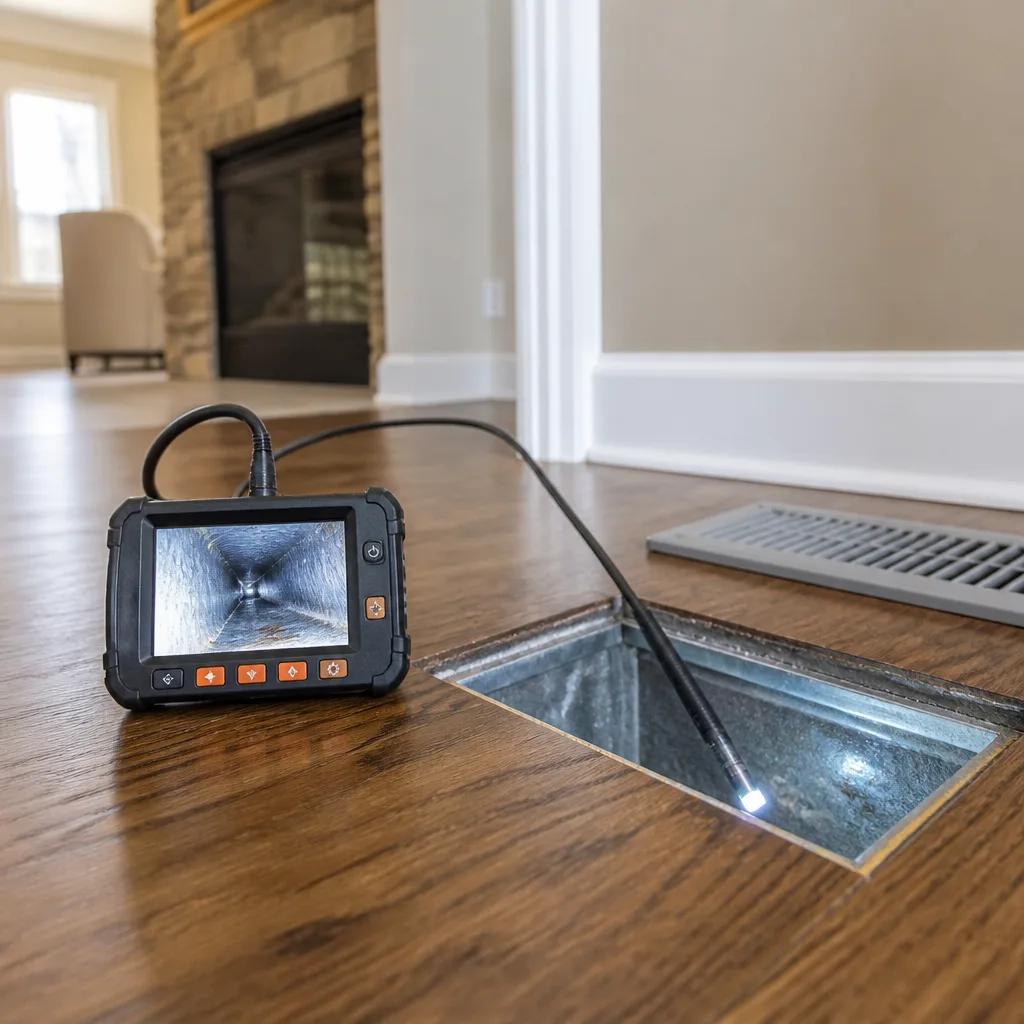 Camera inspection
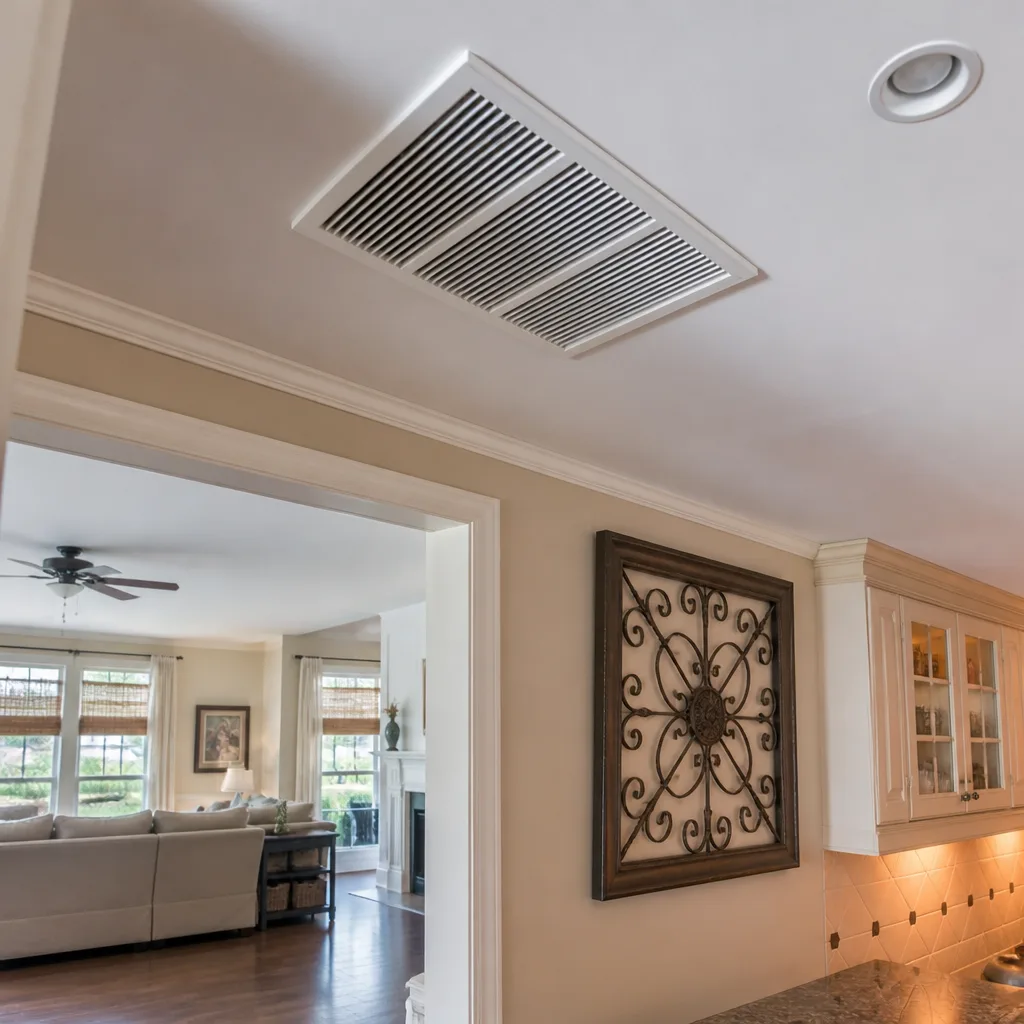 Sanitizing & deodorizing
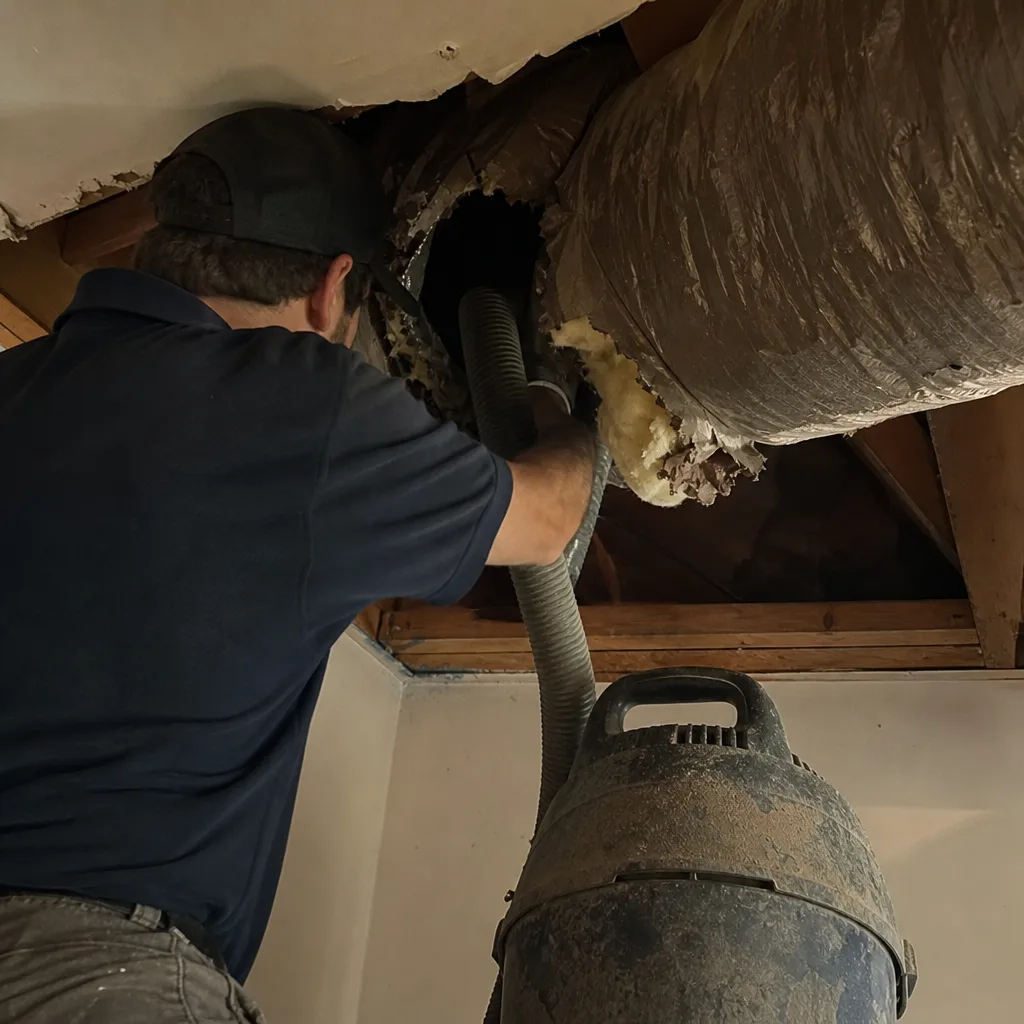
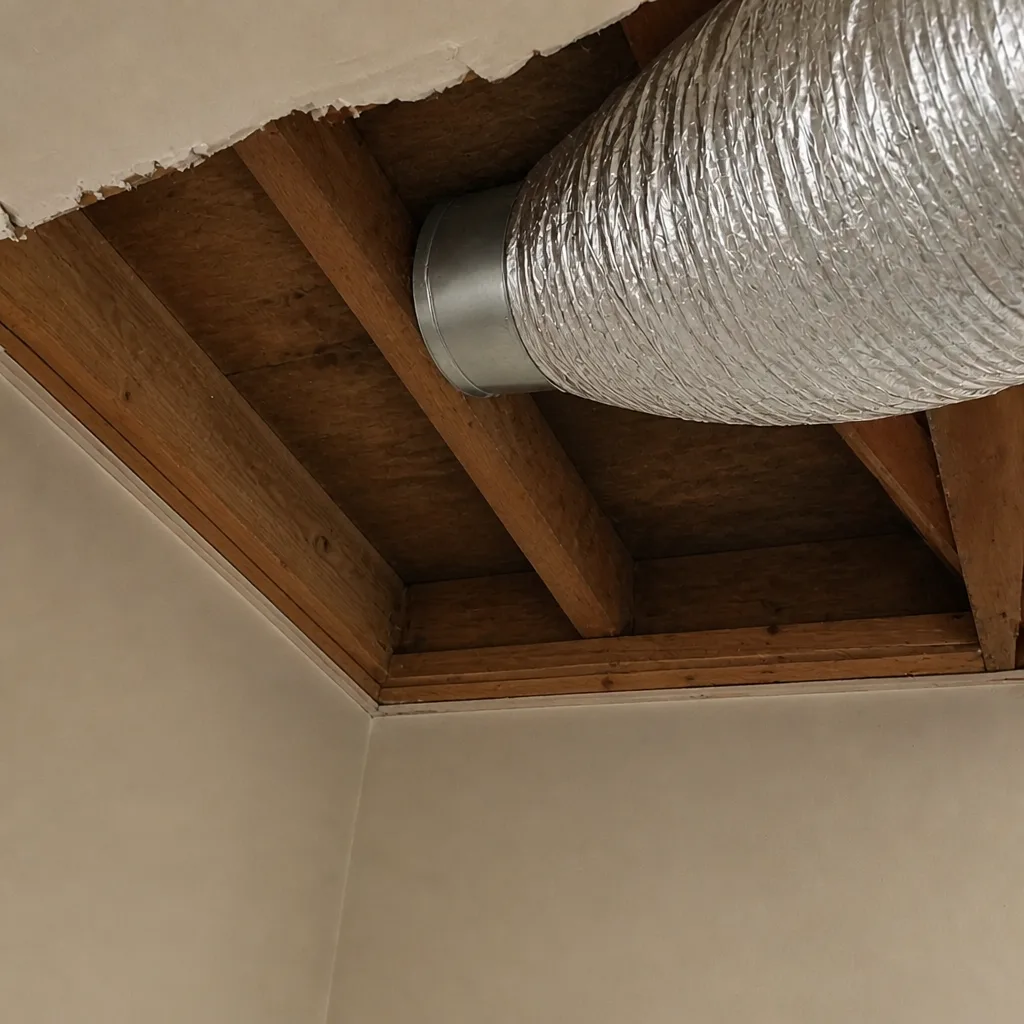
Whole-system duct and dryer vent check with before-and-after photos - you see exactly what came out of your vents
That "$99 whole-house special" is a bait ad - the real number appears once they are in your hallway, or the "clean" is a shop-vac at the register. We photograph the inside of your ducts before and after instead.
Air Duct Cleaning Permits, Codes & Inspections in Murfreesboro, TN: What You Need to Know
Most homeowners assume duct work never needs a permit because “it’s just cleaning.” That’s the misconception that creates the most trouble later. Cleaning your ducts doesn’t require a permit in Tennessee. But once a technician finds a disconnected run, a crushed section of flex duct, or a plenum that has to be modified, the job can cross an invisible line into work the Tennessee Mechanical Code regulates, and sometimes requires a licensed HVAC contractor to pull a permit. In Murfreesboro, where the housing stock runs from older downtown homes to newer subdivisions, that line gets crossed more often than people expect. This guide explains what the code actually says, which repairs need a permit, how to verify a contractor’s license, and what you need to know if you plan to sell or file an insurance claim.
Quick Answer
Routine air duct cleaning does not require a permit in Murfreesboro, Tennessee. Duct replacement, plenum modification, and changes to return air pathways generally fall under the Tennessee Mechanical Code, and that work usually requires a licensed HVAC contractor to obtain a permit from the local code enforcement office. If any part of your job involves modifying or replacing ductwork, the work needs a permit.
Styles & brands we work with
- Whole-home duct cleaning
- Dryer vent cleaning
- Camera inspection
- Sanitizing & deodorizing
Table of Contents
- What Tennessee and Rutherford County code actually say about duct work
- Cleaning-scope vs. permit-required scope: where the line falls
- The specific repair types that require a permit
- HOA and historic district review for dryer vents and exterior penetrations
- How to verify a Tennessee mechanical license
- What to disclose when selling a Murfreesboro home after unpermitted duct work
- Inspections: what the code official looks for and how to prepare
- Common mistakes to avoid
What Tennessee and Rutherford County Code Actually Say About Duct Work
The Tennessee Mechanical Code is the state-level document that governs HVAC installations, ductwork, and related mechanical systems. Tennessee adopts the International Mechanical Code as its basis, with amendments. For Murfreesboro and the rest of Rutherford County, that code is enforced locally through the building and codes department, which issues permits and conducts inspections.
The key distinction in the code is between “maintenance” and “alteration.” Cleaning is maintenance. Alteration means changing the configuration, capacity, or routing of a duct system. The code treats these differently because cleaning doesn’t touch the physical structure of the system – the ducts stay where they are and keep the same shape. Alteration changes how the system moves air.
Three code provisions matter most for homeowners in Murfreesboro:
- Duct systems must be installed per the approved plans. Any change to duct sizing, routing, or termination that departs from the approved plans may trigger a permit.
- Return air pathways are part of the mechanical system. If a return pathway is added, removed, or modified, the change falls under mechanical code, not just maintenance.
- Penetrations through rated assemblies (fire-rated walls, ceilings, floors) require specific protection. HVAC penetrations in multi-unit buildings or attached homes must be properly sealed and firestopped, which is a permitted activity in most cases.
When you call a duct cleaning company in Murfreesboro, ask whether they can identify a permit-required alteration and stop before crossing that line. A specialist that only cleans should be able to say “that’s a repair, not a cleaning” and route you to a licensed HVAC contractor for the permitted work. Laurel Air Duct handles the cleaning and the structural repair separately, so the scope stays clear at every step.
Cleaning-Scope vs. Permit-Required Scope: Where the Line Falls
The line between cleaning and permit-required work is easier to see when you break the job down by what actually changes. Cleaning removes debris. Repair changes the physical system. Here’s how to sort a typical Murfreesboro job:
- Cleaning scope (no permit): brushing and vacuuming duct interiors, cleaning registers and grilles, cleaning the air handler exterior, cleaning the blower compartment where accessible.
- Repair scope (often permit-required): replacing a section of flex duct, reconnecting a disconnected run, sealing a plenum with mastic and mechanical fasteners, modifying a return air pathway, adding or relocating a supply diffuser, changing the trunk line layout.
- Gray area: small punctures, minor seam separation, and single-joint reconnections. Some of this work is maintenance-level repair, but code enforcement in Murfreesboro may treat anything that alters airflow as mechanical work. When in doubt, ask.
The most common scenario we see is this: a technician starts cleaning, finds a crushed flex run in a crawl space or a disconnected boot in the attic, and the homeowner says “just fix it while you’re here.” That’s a reasonable instinct, but the repair might require a permit and a licensed HVAC contractor. The right move is to pause, document the issue with photos, and confirm what the repair requires before authorizing it.
In Murfreesboro, older homes around the downtown square and along East Main often have duct systems that were retrofitted decades ago, and the “as-built” condition no longer matches whatever plans exist. Newer subdivisions off Highway 96 and Veterans Parkway tend to have flex duct in attics, which is easier to inspect and easier to repair as long as the repair stays small. Larger replacements in either case usually need a permit.
The Specific Repair Types That Require a Permit
Not every duct repair needs a permit, but several common ones do. Here are the repair types most likely to cross into permit-required scope in Murfreesboro:
- Duct replacement. Replacing a full run, a trunk section, or a major branch usually requires a mechanical permit because it changes the installed system configuration.
- Plenum modification. The supply and return plenums are the connection points between the air handler and the duct system. Changing the size, shape, or routing of a plenum is mechanical work and almost universally requires a permit.
- Return air pathway changes. Adding a new return, removing an existing one, or re-routing a return through a wall or floor cavity typically requires a permit.
- Adding or relocating supply diffusers. New penetrations through ceilings or floors, or moving a diffuser to a new location, require a permit in most jurisdictions.
- Changes involving fire-rated assemblies. Any HVAC penetration through a fire-rated wall, floor, or ceiling in a multi-family building or attached home needs the proper firestop assembly and is a permitted activity.
- Duct sizing changes. Upsizing or downsizing a duct run changes the system’s static pressure and airflow, which the code treats as a mechanical alteration.
What usually doesn’t require a permit: cleaning, minor joint reconnections, small patches to flex duct, and resealing of existing seams. Those are maintenance-level. The dividing line in practice is whether the repair changes the system’s configuration or capacity. If it does, expect a permit.
HOA and Historic District Review for Dryer Vents and Exterior Penetrations
Murfreesboro has a growing number of HOA-governed subdivisions and several historic districts near the downtown core. Both add a layer of review on top of the mechanical code, most often when the work involves anything visible from outside the home.
For dryer vent cleaning, the cleaning itself never needs a permit. But dryer vent replacement, rerouting, or adding a new exterior termination does. That’s when the additional reviews come in:
- HOA architectural review: Many Murfreesboro HOAs require approval for any change to exterior vents, including the type of exterior vent cover, the color, and the location. Review timelines vary, so ask your HOA for its process before scheduling the work.
- Historic district design review: Properties in a locally designated historic district may need design review approval for visible exterior changes. The design review is about appearance and compatibility, and it sits on top of the mechanical permit rather than replacing it.
- Fire safety considerations: Dryer vent replacements must still meet the mechanical code for vent material, length, and termination type. The U.S. Fire Administration links clogged dryer vents to thousands of residential fires every year, and the code requirements exist for that reason.
If you live in an HOA community or a historic district in Murfreesboro, the best approach is to get the HOA or design review requirement resolved first, then pull the mechanical permit, then schedule the work. Doing it in that order avoids a job that gets completed and then has to be redone.
How to Verify a Tennessee Mechanical License
Duct cleaning alone does not require a Tennessee mechanical license. Duct repair, replacement, and installation work does, because that work falls under the mechanical code and requires a licensed HVAC contractor to pull the permit. Homeowners in Murfreesboro should verify the license before any repair work starts.
Verification is straightforward. Follow these steps:
- Ask for the contractor’s Tennessee mechanical license number in writing. Any contractor performing permit-required duct work should provide it without hesitation.
- Check the license against the state’s online license lookup. The Tennessee Board for Licensing Contractors maintains a public database. Confirm the name matches and the license is active.
- Ask to see the certificate of insurance and the bond. Licensed contractors carry both. If a company can’t provide them, walk away.
- Confirm who is pulling the permit. The licensed contractor performing the work should pull the permit in their name, not in yours.
- Get the permit number before work starts. A written estimate should include the scope of work and the permit status where a permit is required.
For cleaning-only work, the license check is different. Duct cleaning doesn’t require a mechanical license, but it’s still worth asking about equipment and process: professional-grade rotary-brush and negative-air equipment from names like Rotobrush is the standard, and it’s a reasonable question to ask any Murfreesboro duct cleaning company before booking. Our technicians have up to 9 years of experience, and we use Abatement Technologies HEPA containment during cleaning so the debris we dislodge goes out of the home, not back into it.
What to Disclose When Selling a Murfreesboro Home After Unpermitted Duct Work
Tennessee’s residential property disclosure statute requires sellers to disclose known defects and material facts about the property, and unpermitted duct work that alters the mechanical system falls in that category in most interpretations. If a repair was performed without a permit and it changed the duct system’s configuration, that’s something a Murfreesboro buyer’s home inspector is likely to catch, and something the buyer’s lender may flag.
The practical risk plays out in three places:
- Inspection: A home inspector reviewing the HVAC system may note new duct work and ask for documentation. Without a permit record, the buyer’s agent will request a licensed HVAC contractor’s inspection, and the sale timeline slows.
- Appraisal: Lenders sometimes require proof that mechanical work was properly permitted and inspected. Unpermitted work can affect the appraisal or the loan approval.
- Insurance claims: If a future loss involves the duct system (a fire attributed to a dryer vent issue, for example), the insurer may review the permit history. Unpermitted work can complicate the claim.
If you had duct repair done without a permit, the fix is usually a permit pulled retroactively, with the work inspected and brought up to code. Ask the licensed HVAC contractor who performed the work to pull the permit, or bring in a licensed contractor to inspect and permit the work. In Murfreesboro, this is a common resolution when it comes up at sale. The cost of retroactive permitting is almost always less than the cost of a delayed closing.
Inspections: What the Code Official Looks for and How to Prepare
When a duct repair requires a permit, the mechanical inspection usually happens in two stages. The rough-in inspection looks at the work before it’s closed up, and the final inspection confirms the system is complete and functioning.
Here’s what a code official typically checks at a duct inspection in Murfreesboro:
- Duct material and rating. Flex duct, rigid duct, and sealants must meet the code requirements for the application. In attics and crawl spaces, duct insulation and vapor barriers matter.
- Support and routing. Duct runs must be properly supported, without kinks or crushing, and routed as shown on the approved plans.
- Sealing and connections. Every joint, seam, and connection must be sealed with approved mastic or tape. The code official will look for gaps and unsealed penetrations.
- Return air pathways. Return size, location, and connection to the air handler must match the plans.
- Firestopping. Where ductwork penetrates a fire-rated assembly, the firestop assembly must be present and correct.
- Terminations and dryer vents. Exterior terminations must match the approved type and location, and dryer vents must meet the code requirements for smooth interior, length, and termination.
How to prepare: get the permit, schedule the inspection before you close up any walls or ceilings, and have the approved plans available. If the code official finds an issue, they’ll typically issue a correction notice, and you’ll have a window to fix it and schedule a re-inspection. The best preparation is to hire a licensed contractor who does this routinely and knows what the local code office wants to see.
Common Mistakes to Avoid
- Authorizing a repair before confirming whether it needs a permit. The most expensive mistake in Murfreesboro is letting a technician re-route a duct on the spot because it’s convenient. Pause, get the scope in writing, and confirm whether the repair requires a mechanical permit before the work starts.
- Assuming cleaning always covers “small fixes.” Small fixes add up. If the cleaning company is sealing plenums, replacing flex runs, or changing return pathways, it has crossed into permit-required scope regardless of how it’s described.
- Skipping the license check because the price is lower. Duct repair requires a Tennessee mechanical license. A lower bid from an unlicensed contractor is not a lower cost once the work has to be repaired and permitted retroactively.
- Ignoring HOA architectural review. In Murfreesboro HOA communities, assuming a dryer vent replacement can just be done without HOA approval is a common misstep. Get approval first, especially if the change is visible from the street.
- Failing to document the work with photos. Before-and-after photos of the duct interior and the repair are the simplest proof that the work was done and how. Ask for them on every job.
- Waiting until you’re selling to check the permit history. Pull the permit history on your Murfreesboro home before you list it. If a prior owner or contractor left unpermitted work, you want time to fix it, not a delayed closing.
- Treating dryer vent work as an afterthought. Dryer vent cleaning is a fire-safety service, and vent replacement requires a permit. Treat both the cleaning and any replacement with the seriousness that fire risk demands.
See the difference
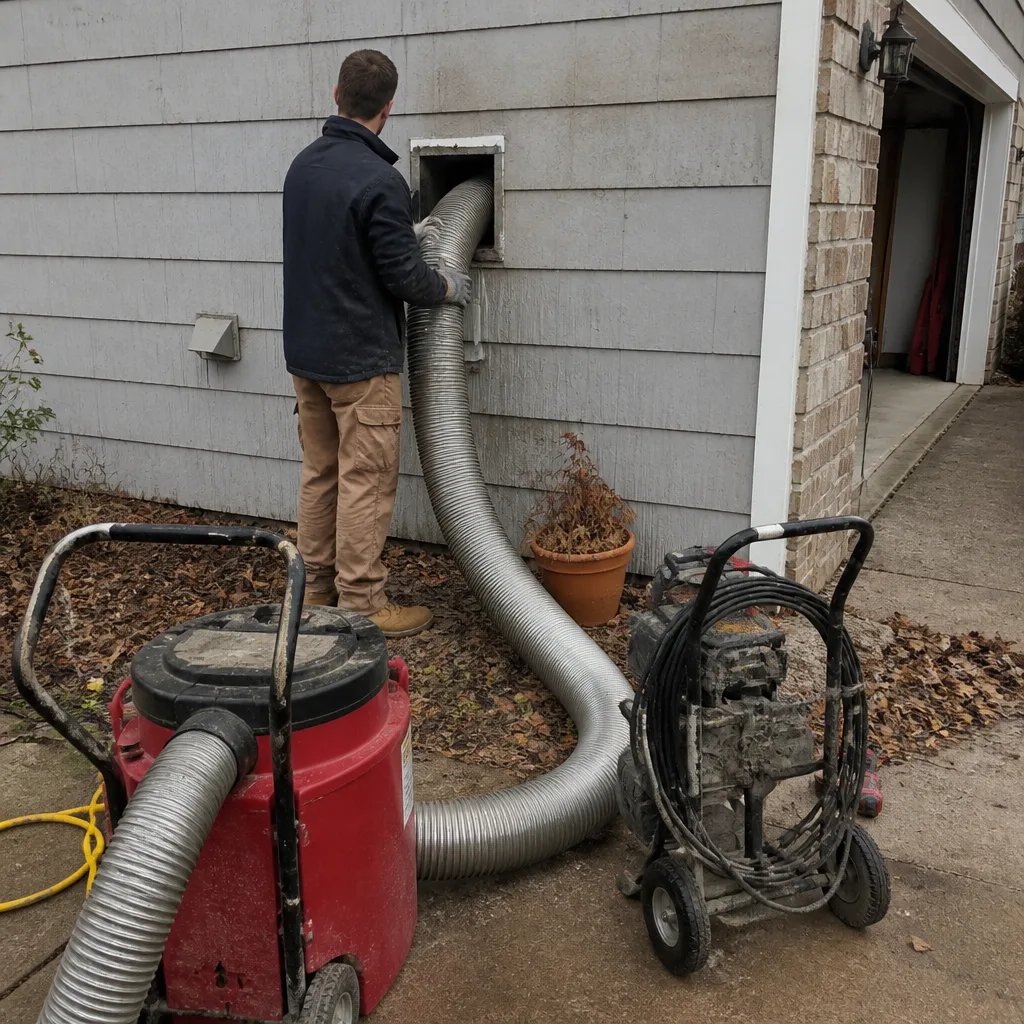 Before
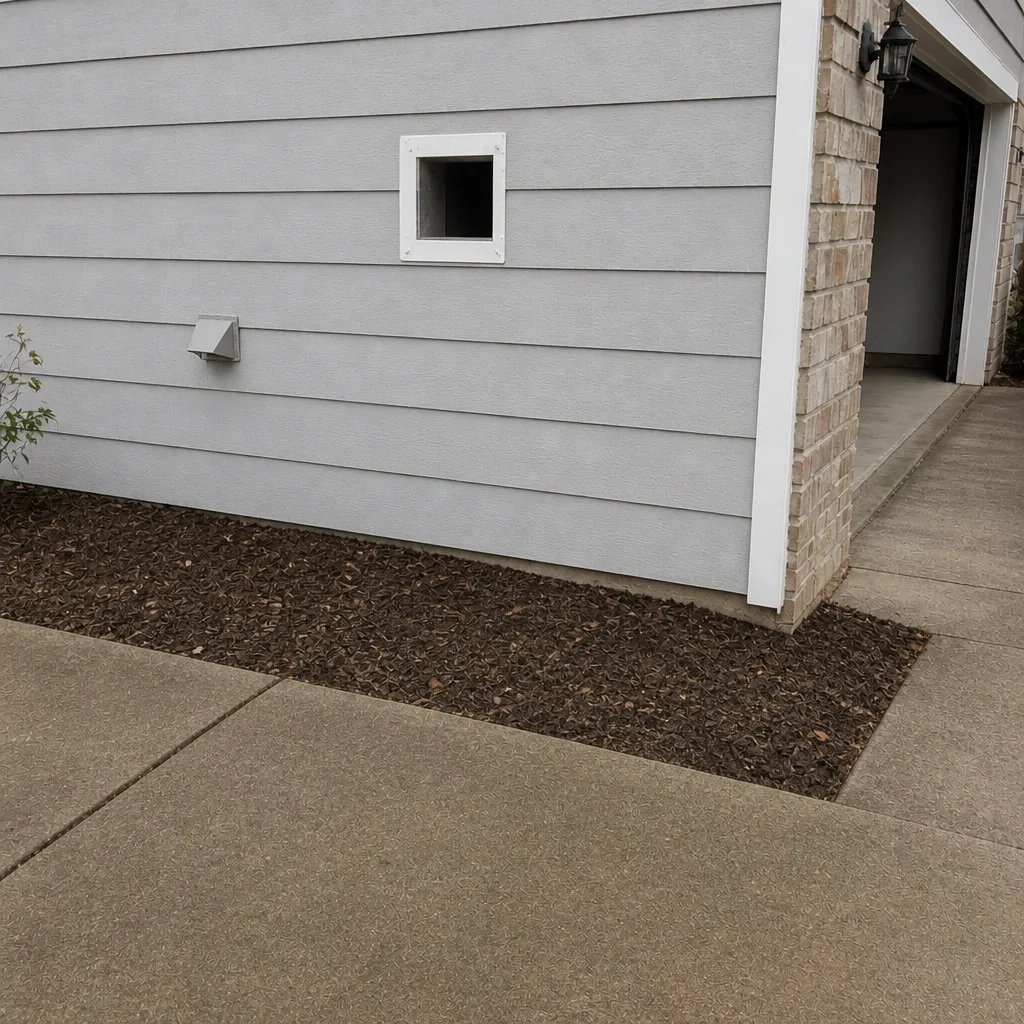 After
 Before
 After
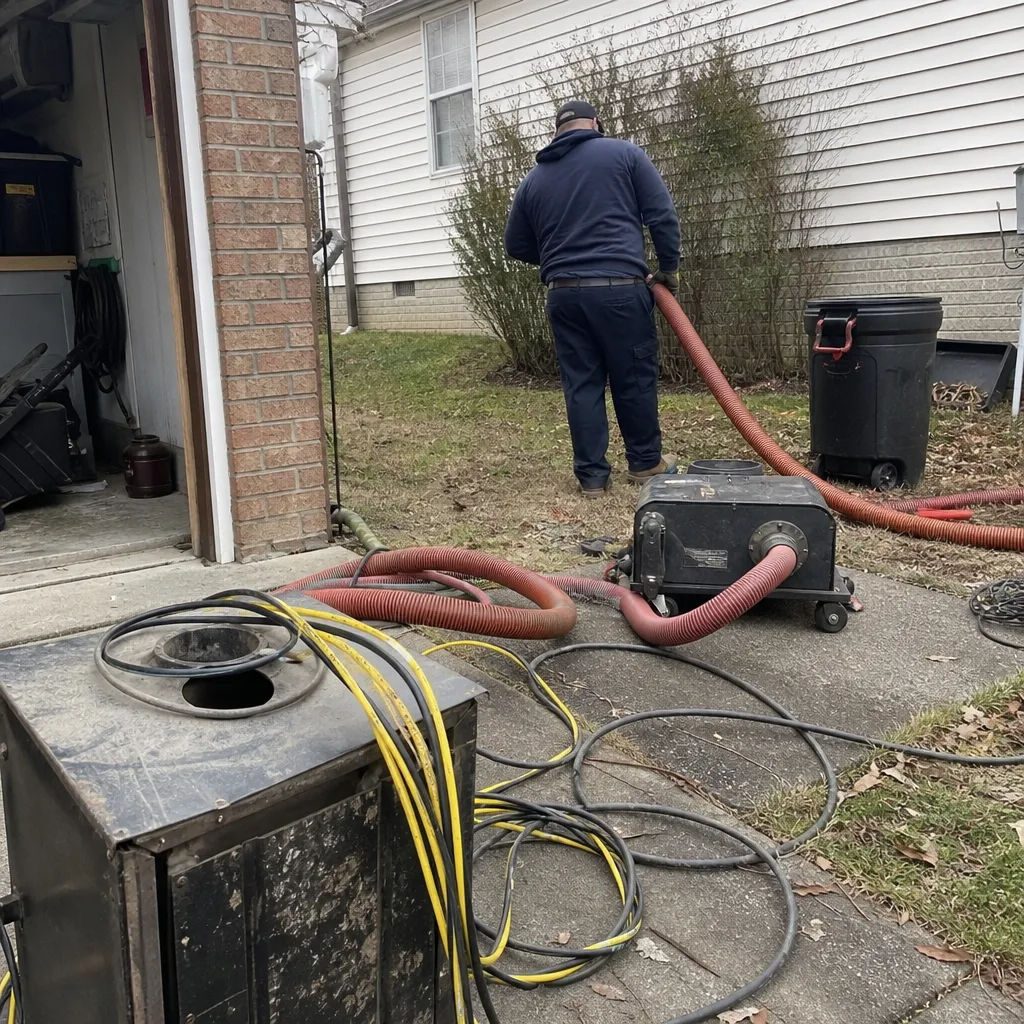 Before
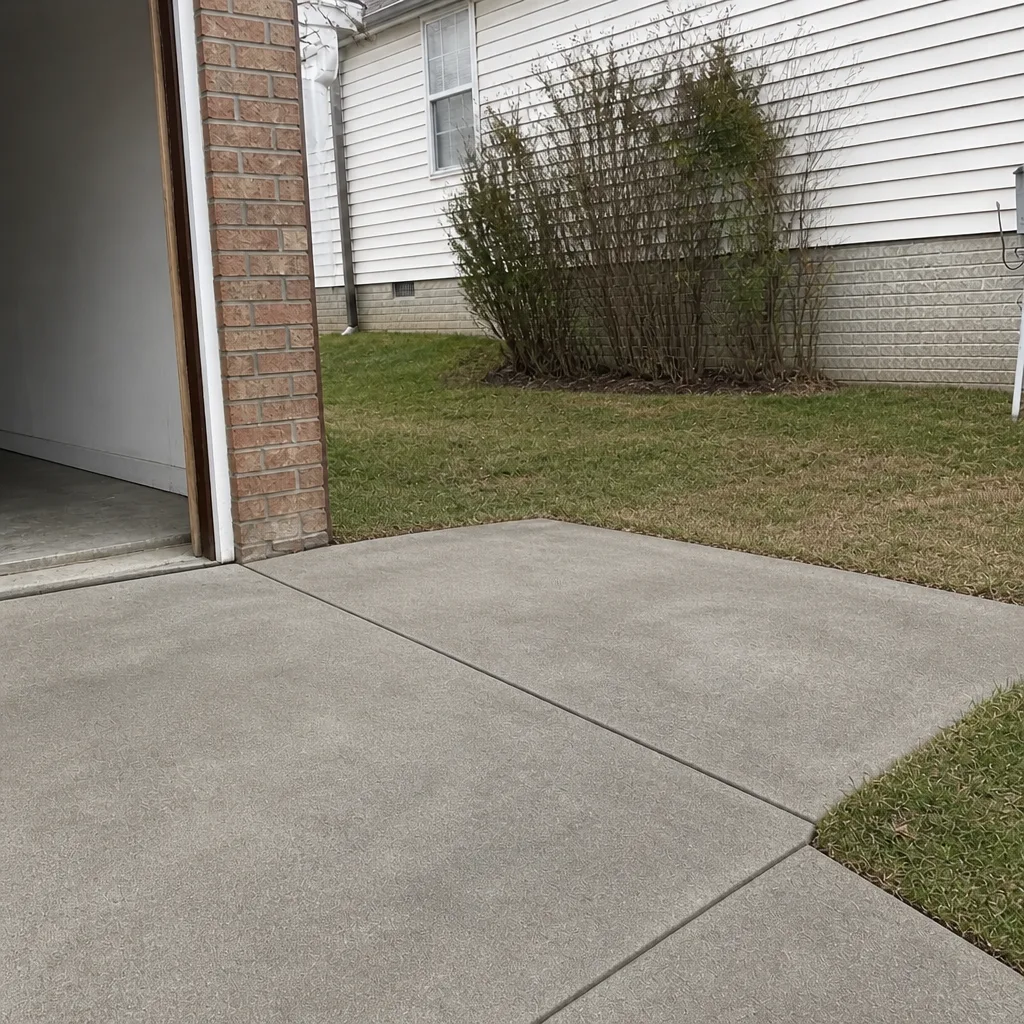 After
When to Call a Professional
Call a professional for any duct work that involves repair, replacement, or modification, and for any dryer vent issue that is more than routine cleaning. Specific scenarios include: a return that isn’t pulling well, a supply that’s clearly crushed in a crawl space or attic, a plenum that has separated from the air handler, a dryer vent run that has a sharp turn or longer run than code allows, a full duct replacement after a remodel, or a home purchase where the inspection flags duct issues without permit records. In Murfreesboro, permits and inspections add real complexity to duct repair, and a specialist who handles both cleaning and structural repair in one job is easier to coordinate. Laurel Air Duct offers free estimates in Murfreesboro. Call (888) 378-8438. We answer 24/7. Fast dispatch from 7am to 7pm, Sunday through Friday.
Frequently Asked Questions
No. Routine cleaning does not require a permit in Murfreesboro, but duct repair, replacement, or modification does. Cleaning is maintenance. Alteration of the duct system is mechanical work, and that work usually needs a licensed HVAC contractor to pull a permit. If a technician starts cleaning and finds a repair, ask whether the repair requires a permit before authorizing it. Call (888) 378-8438 for an estimate on cleaning or repair – the estimate is free and the price is set per job by the written estimate.
Duct replacement, plenum modification, return air pathway changes, adding or relocating supply diffusers, duct sizing changes, and anything involving fire-rated assemblies typically require a mechanical permit. Minor joint reconnections and small patches are usually maintenance-level, but if the repair changes the configuration or capacity of the system, expect a permit. Ask your Rutherford County code office or a licensed HVAC contractor to confirm before work starts. Call (888) 378-8438 if you’re not sure whether your repair needs a permit.
No. Duct cleaning alone does not require a Tennessee mechanical license, but duct repair and installation do. If a company is repairing or replacing your ductwork, verify the license in writing and check the state’s online license lookup. Ask for the certificate of insurance and bond too. For cleaning, ask about the equipment: professional-grade rotary-brush and negative-air systems, like those from Rotobrush and Abatement Technologies, are the standard. Call (888) 378-8438 to ask about scope, equipment, and licensing.
Not usually removed outright, but it can complicate the sale. Tennessee requires sellers to disclose known issues, and a buyer’s inspector will likely flag unpermitted work. The typical fix is retroactive permitting: a licensed HVAC contractor inspects the work, brings it up to code, and pulls the permit. Lenders and insurers may require documentation or a contractor’s sign-off. The earlier you catch it, the cheaper the fix. Call (888) 378-8438 for guidance on the inspection and repair process.
It often requires both. Dryer vent replacement, rerouting, or adding a new exterior termination requires a mechanical permit in most cases. If you live in an HOA-governed community, the HOA architectural review usually has to happen first. In a designated historic district, design review may be required for visible exterior changes. Get HOA or design approval first, then pull the permit, then schedule the work. Call (888) 378-8438 to schedule the cleaning and to see whether your vent is due for cleaning or replacement.
The estimate should describe the cleaning scope, any repair scope separately, and whether the repair requires a permit. Ask for before-and-after photos of your own ducts and confirmation of the equipment being used. A duct specialist who handles both cleaning and repair in one job, like our team at Laurel Air Duct, is easier to coordinate than two separate contractors when a permit is involved. Pricing is per job, not per vent, so you know the total before any work starts. Call (888) 378-8438 for a free estimate.
The Bottom Line
Cleaning is maintenance and needs no permit. Repair, replacement, and modification of your duct system falls under the Tennessee Mechanical Code and usually requires a licensed HVAC contractor to pull a permit from the local code office. If your Murfreesboro home is in an HOA or historic district, add architectural or design review, especially for dryer vent changes. Verify the license in writing, get the permit number before work starts, and keep photos of the work in case you ever sell. Dryer vent work is a fire-safety service, not a cosmetic one: the U.S. Fire Administration ties clogged vents to thousands of residential fires a year. Whether you’re scheduling air duct cleaning, repairing a duct run, or having your dryer vent serviced, getting the permit question clear first saves money and headaches. If you’re near Nolensville or anywhere in Rutherford County, the same code rules apply.
Call (888) 378-8438. We answer 24/7. Fast dispatch from 7am to 7pm, Sunday through Friday. Estimates are free, and the price is set per job by the written estimate.
Written by the team at Laurel Air Duct.