
Last updated November 16, 2026
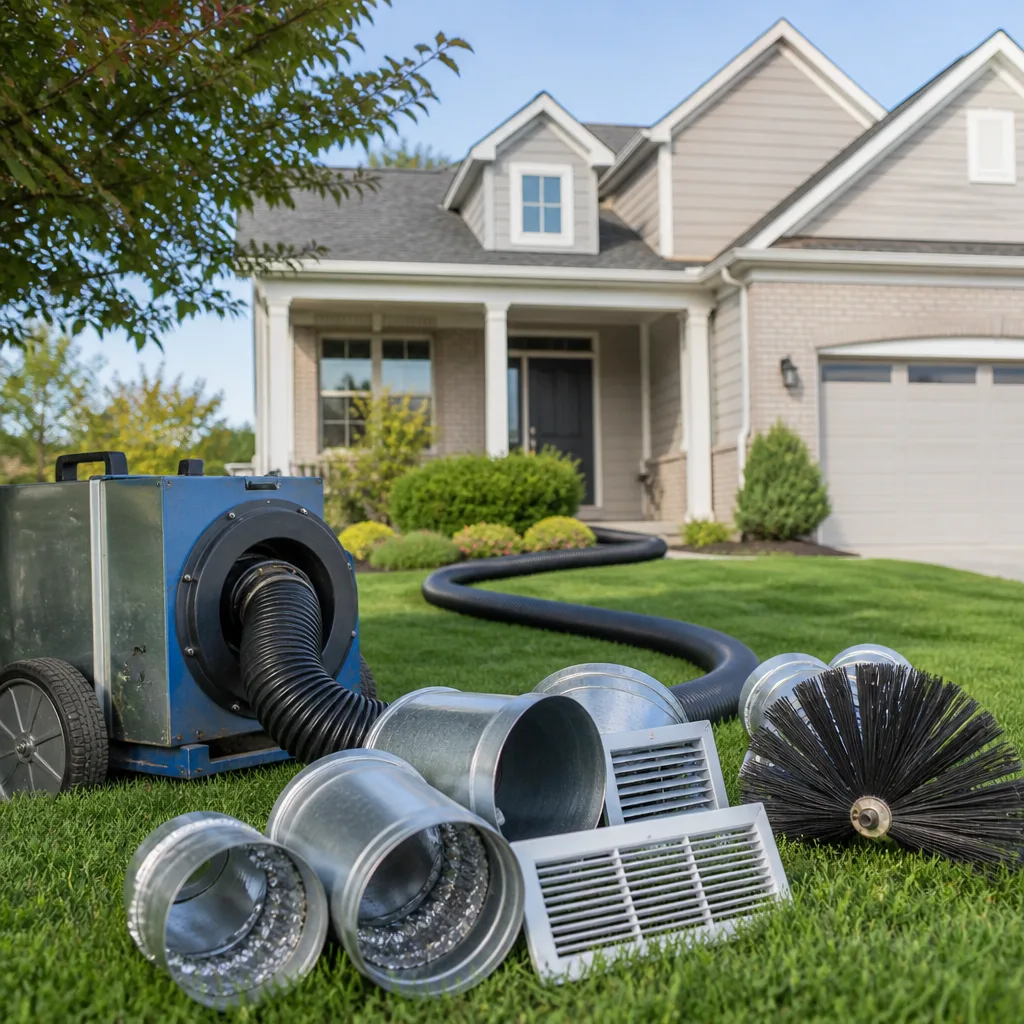 Whole-home duct cleaning
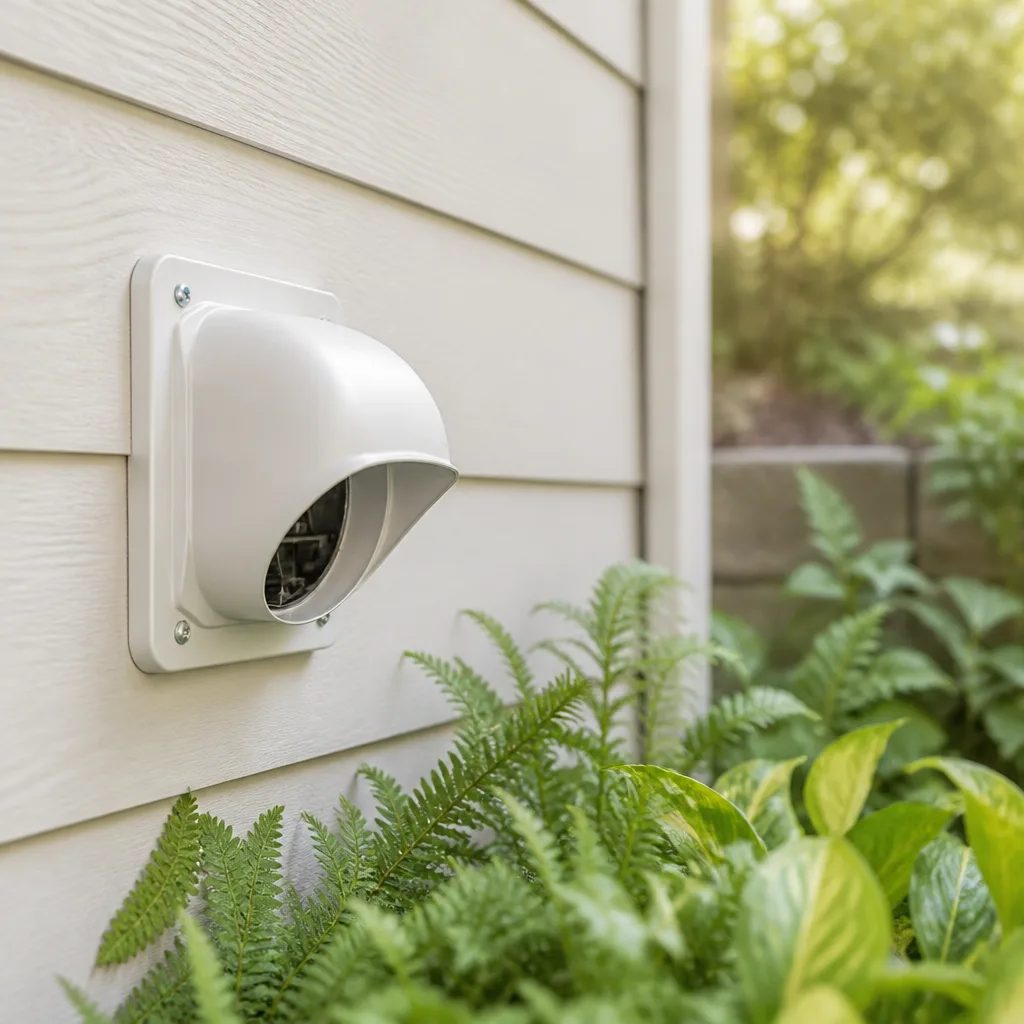 Dryer vent cleaning
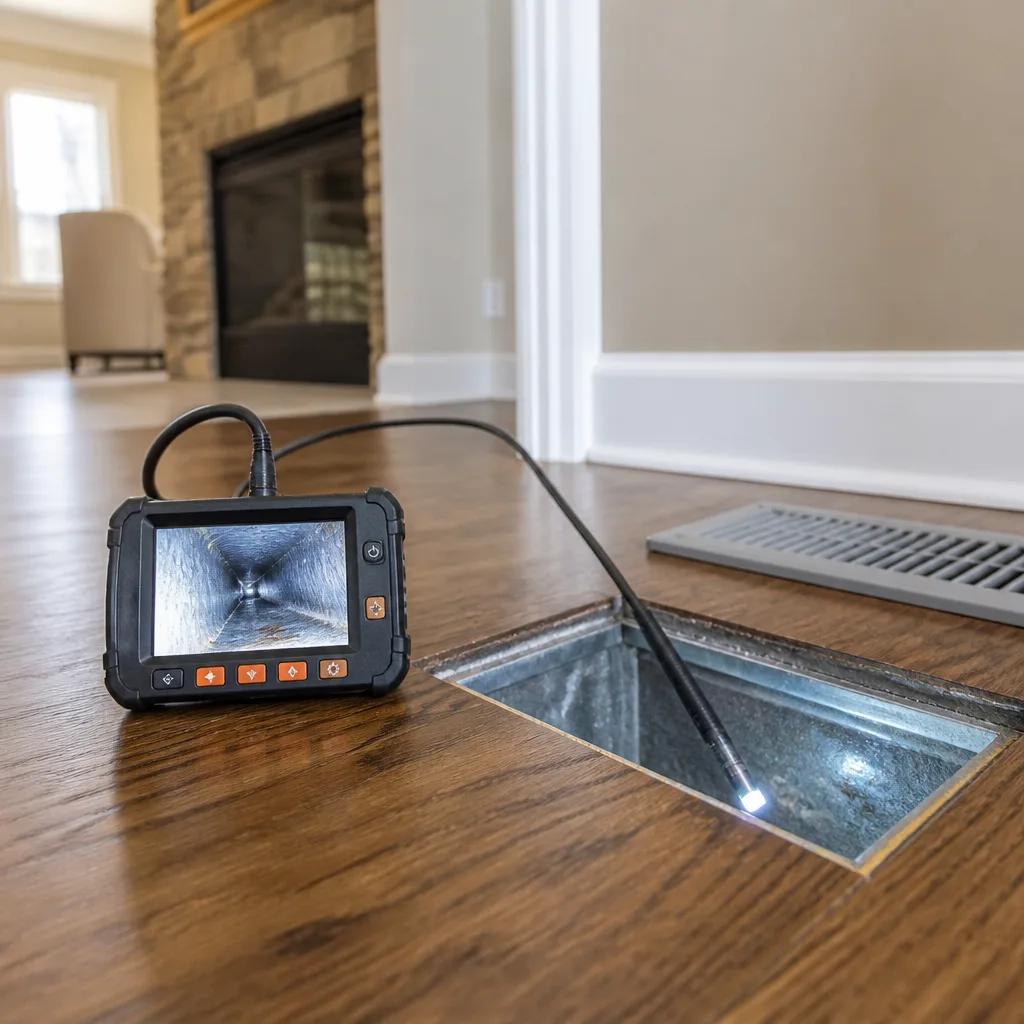 Camera inspection
 Sanitizing & deodorizing
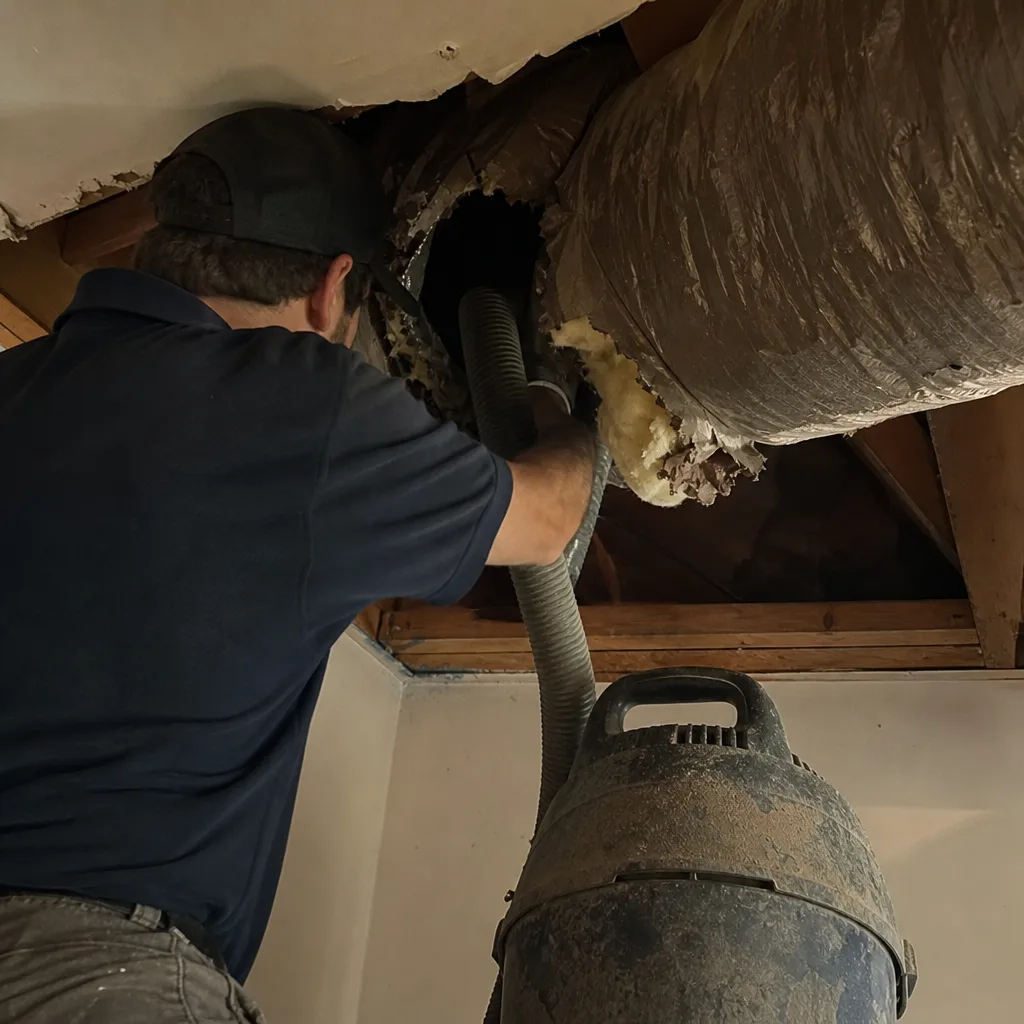
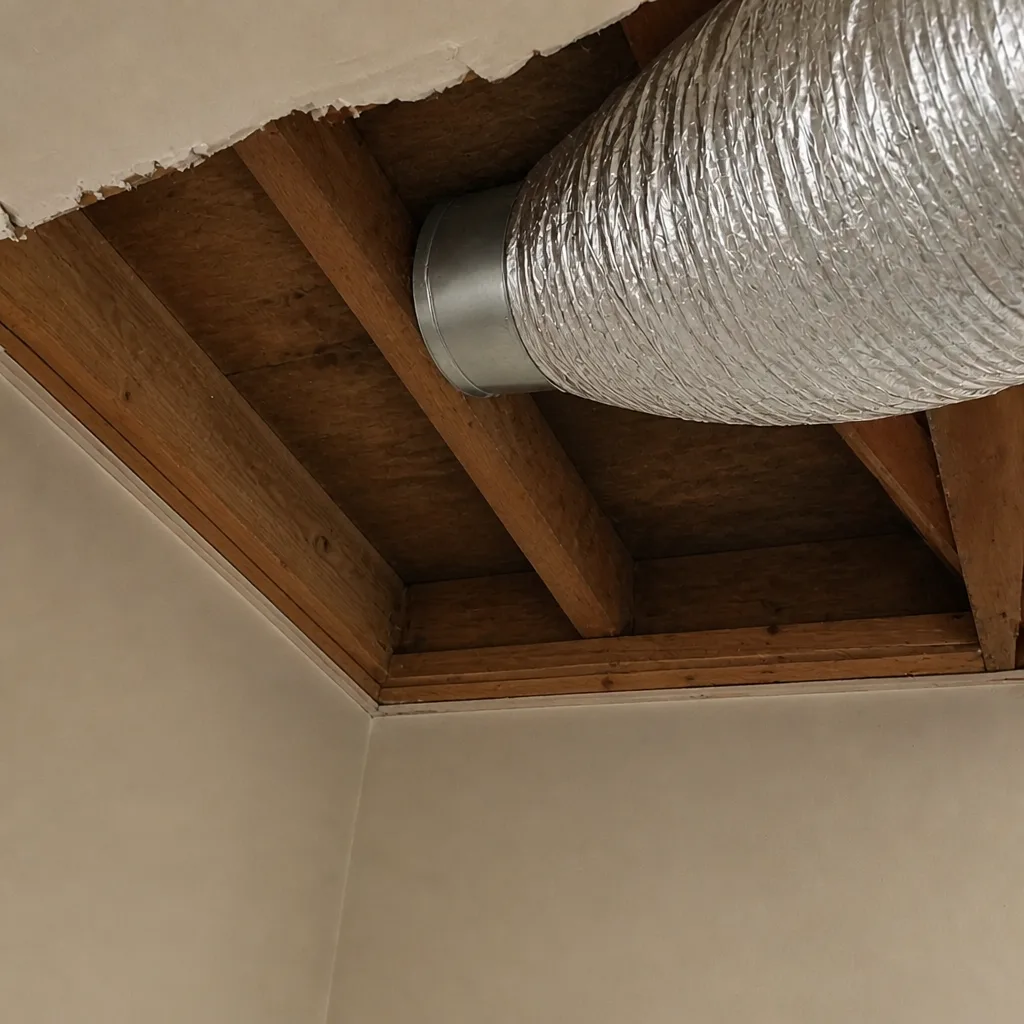
Whole-system duct and dryer vent check with before-and-after photos - you see exactly what came out of your vents
That "$99 whole-house special" is a bait ad - the real number appears once they are in your hallway, or the "clean" is a shop-vac at the register. We photograph the inside of your ducts before and after instead.
Seasonal Air Duct Cleaning Care for Murfreesboro: Year-Round Homeowner’s Guide
Most homeowners treat duct cleaning as a single checkbox: schedule it once, forget it for a few years, repeat. That approach misses the actual problem. Murfreesboro sits in a climate that puts your duct system through four distinct stress periods every year, and each one stresses it differently. Spring pollen loads settle in different places than summer humidity does. Fall brings a system transition that can push combustion byproducts through ducts you just cleaned. Winter’s dry heating cycles change how dust behaves in the air entirely. This guide breaks the year into those four periods, explains what each one does to your ducts in Murfreesboro, and gives you a month-by-month calendar of what to check and when.
Quick Answer
Air ducts in Murfreesboro benefit from inspection at least twice a year and full cleaning roughly every two to three years, but the timing of those touchpoints matters more than the interval. Schedule inspection after spring pollen season ends, verify crawlspace and attic duct insulation before summer humidity peaks, check the heat exchanger and blower compartment before the first heating cycle, and address filter performance when winter heating dries out your indoor air. Treat duct care as four seasonal interventions, not one annual event.
Styles & brands we work with
- Whole-home duct cleaning
- Dryer vent cleaning
- Camera inspection
- Sanitizing & deodorizing
Table of Contents
- Spring in Murfreesboro: The Post-Pollen Inspection Window
- Summer Humidity and Condensation Inside Your Ducts
- Fall: What to Check Before You Switch to Heat
- Winter: Why Dry Heating Cycles Make Dust More Airborne
- Month-by-Month Duct Care Calendar for Murfreesboro
- When Cleaning Isn’t Enough: Duct Repair Signals
- Dryer Vent Cleaning as a Year-Round Safety Item
- Common Mistakes to Avoid
- When to Call a Professional
- Frequently Asked Questions
Spring in Murfreesboro: The Post-Pollen Inspection Window
Spring is the most important inspection window of the year for Murfreesboro homes, and most homeowners schedule it at exactly the wrong time. The instinct is to clean in early spring, before allergy season, so the ducts are “fresh” going into it. That gets the sequence backward. Pollen season in Middle Tennessee runs hard through spring, and the filtration in your system is working overtime the whole time. Cleaning before pollen peaks means the system loads back up within weeks.
The right move is to inspect and clean after pollen season winds down. By then, your return air system has pulled in whatever made it past the filter, and you can see the actual accumulation pattern instead of guessing at it.
Why floor-level returns matter more here
A lot of Murfreesboro homes, especially in the older neighborhoods close to the downtown square and the established subdivisions off Memorial and Greenland, have return air grilles positioned near floor level. That placement is efficient for airflow, but it puts the intake right where pollen, dust, and pet hair settle. A return draw at ankle height is pulling from the dirtiest slice of air in the room. When we inspect after pollen season, the difference between a floor-level return and a ceiling return shows up immediately in the grille and the first few feet of duct.
What a post-pollen inspection covers
- Return grille and boot inspection. Check for visible pollen staining, dust matting, and debris accumulation behind the grille.
- Supply register airflow check. Confirm each register has consistent airflow; a weak register after pollen season can mean a partial blockage upstream.
- Filter condition review. A filter loaded with pollen restricts airflow and forces the blower to work harder all summer.
- Containment-based cleaning if needed. A proper post-pollen cleaning uses negative-air containment, so dislodged pollen and dust leave the system instead of recirculating into the living space.
Whether you’re in Murfreesboro or just up the road in Nolensville, the sequence is the same: let pollen season finish, then inspect and clean.
Key takeaway: Spring cleaning should happen after pollen peaks, not before. Floor-level returns in Murfreesboro homes make this the single most informative inspection of the year.
Summer Humidity and Condensation Inside Your Ducts
Summer in Murfreesboro brings the humidity that does the most invisible damage: condensation on supply ducts running through unconditioned spaces. If a supply duct passes through an attic or a vented crawlspace, the cold air inside it meets the hot, humid air outside it, and moisture forms on the duct’s exterior. That moisture doesn’t stay on the outside for long. It works into insulation, into seams, and into any breach in the duct’s outer jacket.
The mold colonization window
Mold needs three things: moisture, a food source, and the right temperature. Your duct system supplies all three during a Murfreesboro summer. Dust and organic debris inside the ducts provide the food source. Condensation provides the moisture. And the interior of a duct running through a warm crawlspace stays right in the range mold likes. Between cleanings, that’s where colonization starts, and it typically starts at the seams and joints where moisture collects first.
This is also where duct insulation condition matters more than most homeowners realize. Failing insulation on a supply run doesn’t just waste energy; it makes the condensation problem worse by letting the duct surface stay colder and wetter.
What to check before humidity peaks
- Crawlspace supply ducts. Look for sagging insulation, visible moisture, or staining on the duct jacket.
- Attic duct runs. Check for disconnected sections, torn outer jackets, and pooled condensation at low points.
- Interior humidity readings. If your indoor humidity climbs above the mid-50s during summer, your system may be pulling in more outdoor air than it should.
- Musty odors at registers. A musty smell when the AC first kicks on is a strong signal of moisture problems inside the duct system.
HEPA-contained cleaning during summer is genuinely different from a shop-vac approach. When we clean a duct system with air duct cleaning equipment that includes Abatement Technologies containment and HEPA filtration, the dislodged material is captured at the source rather than pushed into the room. That matters more in a humid season, when airborne spores have an easier time finding a foothold.
Fall: What to Check Before You Switch to Heat
The first heating cycle of the year is the highest-risk moment for your duct system in Murfreesboro. Between April and October, your system has been running in cooling mode. When it flips to heat, air moves through a different path: across the heat exchanger and through the blower compartment before entering the supply ducts. Any problem at those two points gets distributed into every room your ducts serve.
Why the heat exchanger and blower compartment matter
A cracked heat exchanger can leak combustion byproducts into the airstream. A dirty blower compartment can hold dust, debris, and moisture that a summer of cooling cycles left behind. Neither of these is a duct cleaning problem in the strict sense, but both of them can ruin a clean duct system in the first week of heating season. This is why fall inspection matters: it’s the last practical window before you start moving heated air through the system every day.
We’re a duct specialist, not an HVAC repair company. What we can do is identify duct-side and blower-side conditions that warrant a closer look from a qualified HVAC technician, and we recommend that inspection every fall without exception.
Your pre-heating checklist
- Schedule a professional heat exchanger inspection. This is not a homeowner task; it requires a trained technician with proper testing equipment.
- Inspect the blower compartment for debris. Visible dust accumulation, moisture, or odor here should be addressed before heating startup.
- Verify all supply and return connections. A disconnected duct section is more dangerous in heating mode, when the system is pressurizing the ductwork.
- Replace the filter before the first heating cycle. A filter that got you through summer is not the one you want running through winter.
- Confirm the duct system was cleaned since last heating season. If it hasn’t been, fall is a practical time.
Gas-fired furnaces have components that must be handled by a licensed HVAC professional. Our role at Laurel Air Duct is the duct side of the system, and we’ll tell you plainly when something we see calls for a technician in a different trade.
Winter: Why Dry Heating Cycles Make Dust More Airborne
Winter heating does something subtle to your indoor air: it drops the humidity. Cold outdoor air holds very little moisture, and when your furnace heats it, relative humidity inside the home falls. Most Murfreesboro homes sit in the 25% to 35% range during the coldest weeks, and that changes how dust behaves.
The desiccation effect
Dust is largely made of skin cells, textile fibers, and mineral particles held together by moisture. When indoor humidity drops, that binding moisture evaporates. The resulting dust particles get lighter and finer, and they stay suspended in air longer instead of settling where a vacuum can reach them. Your HVAC system then pulls them into the return ducts, and the cycle repeats. Meanwhile, the dry air causes wood floors, trim, and furniture to release moisture, adding to the particle load.
This is a seasonal effect you can’t clean away. What you can do is reduce how much of it cycles through your duct system.
What actually helps during winter
- Higher-efficiency filtration. A filter upgrade matters more in winter than any other season, because winter particle loads are finer. A Honeywell or Aprilaire filter cabinet installed as part of a duct system upgrade gives you filtration the system can actually accommodate without starving airflow.
- Filter replacement frequency. Check monthly during heating season; replace when the filter is visibly gray or darker. In winter, that can mean every 60 days instead of every 90.
- Sealed duct connections. Sealing returns and supply joints reduces the bypass of unfiltered air. A sealed system has a measurable effect on indoor particle levels.
- Humidity management. A whole-home humidifier is outside our scope, but it’s worth discussing with your HVAC professional if winter air bothers your occupants.
Post-cleaning filtration and sealing products from Honeywell, Aprilaire, and Guardsman exist specifically to extend the value of a cleaning, and winter is the season where that extended value shows up most clearly.
Month-by-Month Duct Care Calendar for Murfreesboro
Generic national calendars get this wrong for Murfreesboro because they average the climate across the country. The calendar below reflects the timing that actually matters for Middle Tennessee.
What to do, and when
- January: Check the filter, watch for excessive dust on registers, and pay attention to any static electricity increase (a sign of low humidity).
- February: Confirm the filter is holding up through peak heating; note any weak-airflow registers before spring.
- March: Inspect the return grille area; pollen is starting. Replace the filter early to give the system more headroom for the incoming load.
- April: Full return-side inspection while pollen is peaking; note any visible accumulation for post-season cleaning.
- May: Post-pollen cleaning window opens. This is the ideal time for full-system cleaning with containment.
- June: Pre-summer crawlspace and attic duct inspection; address insulation or connection issues before humidity climbs.
- July: Watch indoor humidity readings and register odors; musty smells point to moisture in the system.
- August: Mid-summer check on crawlspace supply runs; confirm no condensation pooling at low points.
- September: Pre-heating inspection: heat exchanger by a qualified technician, blower compartment, all duct connections.
- October: Final fall cleaning window; replace the filter before the first extended heating cycle.
- November: Monitor dust levels after heating starts; new airborne dust after startup can indicate blower-side debris.
- December: Filter check mid-heating-season; confirm the system isn’t pulling unfiltered air through any return connection.
When Cleaning Isn’t Enough: Duct Repair Signals
A thorough cleaning can only do so much when the duct system itself has breaches, disconnections, or collapsed sections. Cleaning a compromised system doesn’t fix the compromise, and it can hide the problem: clean air inside a leaking duct goes straight into the crawlspace or attic instead of reaching your rooms.
What repair signals look like
- Uneven airflow. One room blows hard, another barely moves; a collapsed or disconnected branch duct is a common cause.
- Dust on horizontal surfaces. Leaks in return ducts pull attic or crawlspace dust into the airstream and into the home.
- Higher energy bills without a change in usage. Leaky ducts waste conditioned air before it reaches the rooms.
- Visible sagging in duct runs. Especially in attic or crawlspace flex duct; this usually means a support or connection has failed.
Air duct repair isn’t an upsell when the system needs it; it’s the difference between a duct system that delivers clean air and one that delivers clean air to the wrong place. Our approach is simple: we clean the system, and if it’s broken, we fix it. One specialist for cleaning and repair means the person who finds a problem is the person who can address it, rather than sending you to two separate vendors.
Dryer Vent Cleaning as a Year-Round Safety Item
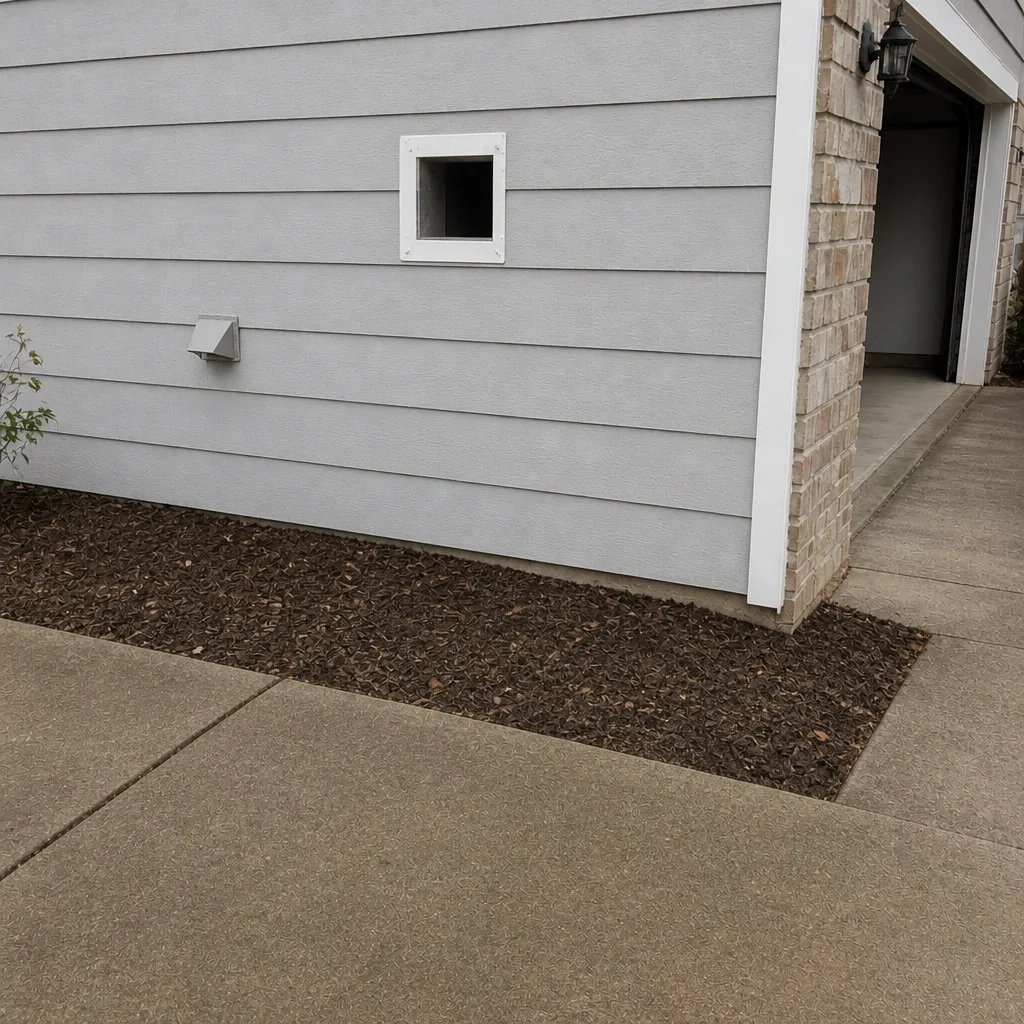
Dryer vent safety doesn’t follow the four seasons the way duct cleaning does, but it’s worth treating as a scheduled item alongside them. Clogged vents are linked by the U.S. Fire Administration to thousands of residential fires each year. The reason isn’t that lint is dramatic; it’s that lint is fuel and it accumulates quietly with every load.
Signs your dryer vent needs attention
- Clothes take two cycles where one used to work.
- The dryer body gets hot to the touch on the top or sides.
- A burning or musty smell near the dryer during operation.
- Visible lint accumulation behind the dryer or around the exterior vent hood.
- It’s been more than a year since the vent was professionally cleaned.
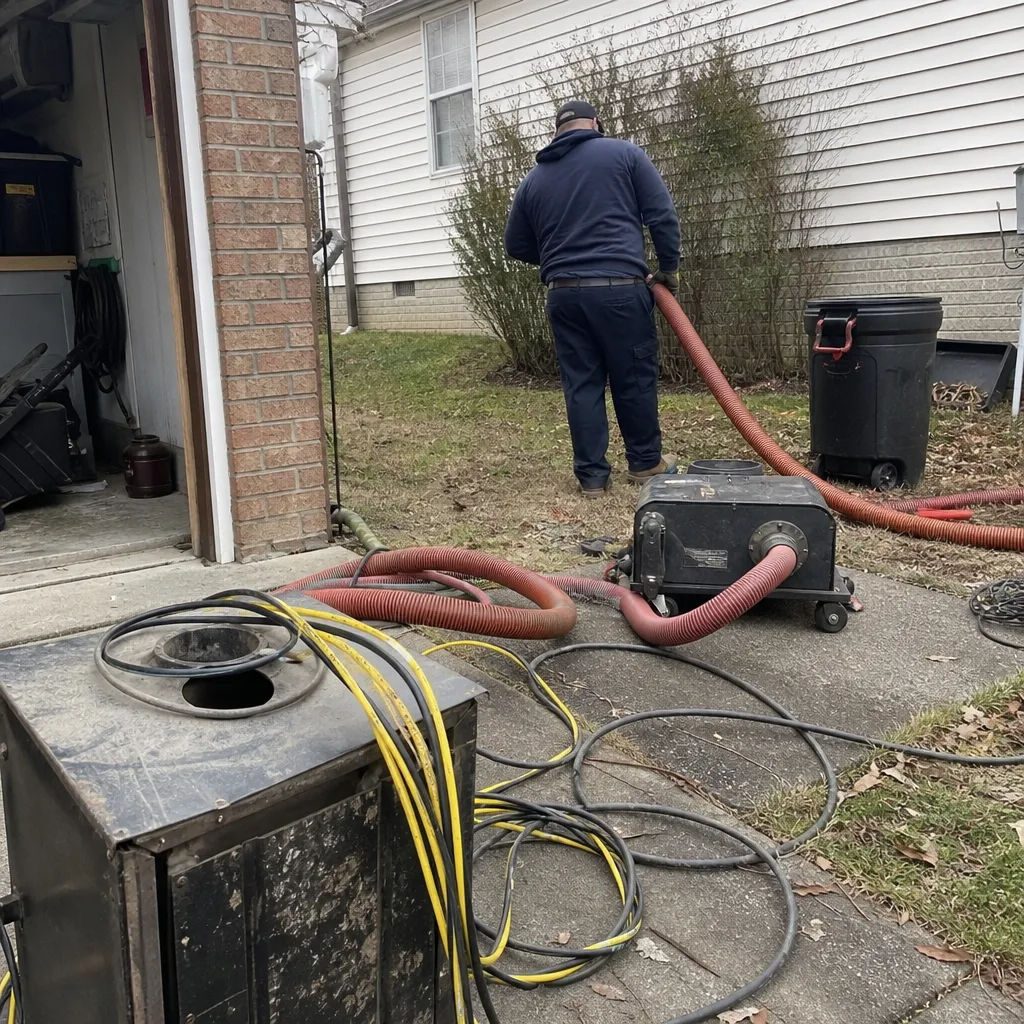
We offer dryer vent cleaning as a dedicated service, not an add-on. The tools we use for duct cleaning, including Rotobrush rotary-brush systems and Nikro cleaning units, are the same professional-grade equipment HVAC and remediation contractors rely on, and they’re what we bring to a dryer vent job too. A thorough dryer vent cleaning takes longer than most homeowners expect, because the goal is a genuinely clear vent path end to end.
Common Mistakes to Avoid
- Cleaning before pollen peaks. Cleaning in early March in Murfreesboro means the system reloads within weeks. Wait for the post-pollen window in May for the result to actually last.
- Ignoring the crawlspace. Supply ducts running through a Murfreesboro crawlspace need an insulation check every summer, not just when something visibly fails. Condensation forms on the outside of a duct long before you’d notice a leak.
- Switching to heat without a fall inspection. The heat exchanger check is the single most important pre-winter task, and it’s the one homeowners most often skip. Skipping it means any problem gets distributed through clean ducts.
- Going a full winter on a fall filter. Winter dust is finer and the filter loads faster. A filter that’s fine in October is often the wrong filter by January.
- Trusting a shop-vac cleaning. Consumer-grade vacuums can’t capture fine particles and can actually redistribute them. If the equipment is a shop vac with a wand, the process isn’t professional-grade duct cleaning.
- Cleaning without fixing. If a duct has a disconnected section, cleaning without repairing it wastes money. Always check for breaches, disconnections, and collapsed runs before considering the job complete.
- Treating dryer vent cleaning as optional. It’s a fire-safety item, not a maintenance nicety. Add it to the calendar once a year and keep the vent clear.
When to Call a Professional
Some duct care is genuinely a homeowner task: checking the filter, replacing it, watching for weak registers, and noting smells or airflow changes at each register. Other items require professional handling. If you notice musty odors from registers, visible dust or debris in the return, condensation or sagging on crawlspace or attic ducts, a filter that loads within weeks even after replacement, or any suspicion of a broken duct section, it’s time to call. Anyone in a Murfreesboro home with a gas furnace should also schedule that fall heat exchanger inspection every year without exception.
Laurel Air Duct offers free estimates in Murfreesboro. Call (888) 378-8438. We answer 24/7. Fast dispatch from 7am to 7pm, Sunday through Friday. Our technicians have up to 9 years of experience, and we bring professional-grade equipment from Rotobrush, Nikro, and Abatement Technologies to every job, because consumer-grade equipment isn’t what this work actually requires.
Frequently Asked Questions
Most Murfreesboro homes should have the duct system professionally cleaned every two to three years, with inspection at least twice a year. Homes with pets, recent remodeling, or heavy pollen exposure at floor-level returns may need cleaning closer to the two-year end of that range. The seasonal timing matters as much as the interval: a post-pollen cleaning in late spring lasts longer than one scheduled before pollen peaks.
Yes, meaningfully. Middle Tennessee’s pollen load, summer humidity, and the transition to heating in fall each stress the duct system differently, and treating the system the same way year-round misses the seasonal interventions that actually prevent problems. A cleaning in May addresses a different set of conditions than a cleaning in October. That’s why a seasonal approach, rather than a single annual cleaning, works better for Murfreesboro homes.
A fall heat exchanger inspection is not optional for a Murfreesboro home with a gas furnace. A cracked heat exchanger can leak combustion byproducts into the airstream, and those byproducts would travel through clean ducts into every room. The inspection needs a qualified HVAC technician; it’s a technician-level task, not a homeowner one. We recommend it every autumn before the first extended heating cycle.
Look for sagging insulation, visible moisture or staining on the duct jacket, and musty odors at the registers when the AC runs. If your indoor humidity climbs during summer, the system may be pulling in more outdoor air than it should. A pre-summer crawlspace inspection catches these issues before they turn into mold colonization between cleanings. Call (888) 378-8438 for a free estimate if you suspect moisture in your duct system.
Professional duct cleaning requires rotary-brush systems and negative-air equipment, the same class of tools HVAC and remediation contractors rely on. Rotobrush rotary-brush systems and Nikro cleaning units are the professional standard, and a proper job also uses HEPA containment such as Abatement Technologies units so dislodged material is captured rather than redistributed. If a company shows up with a shop-vac and a wand, they’re not running a professional-grade process. Call (888) 378-8438 for an estimate from a specialist who uses the proper tools.
Clean after pollen season, not before. Cleaning in early spring in Murfreesboro means the system starts reloading within weeks as pollen peaks. The right sequence is to inspect during pollen season, note any accumulation, and schedule full cleaning in May or early June when the outdoor load is dropping. That way the clean result lasts through summer and fall, and you get the full value of the cleaning.
The Bottom Line
Murfreesboro’s four seasons each stress your duct system in a different way, and the same cleaning schedule that works in a mild climate or a dry one doesn’t hit the right intervention points here. Post-pollen inspection in spring, humidity checks in summer, heat exchanger and blower inspection in fall, and filter management in winter cover the four periods that actually matter. Treat duct care as a year-round calendar instead of a single annual event, use professional-grade equipment and containment every time, and treat dryer vent cleaning as the fire-safety item it is. If you need a duct specialist who uses the tools HVAC contractors trust, contact us for an estimate, or call (888) 378-8438. We answer 24/7. Fast dispatch from 7am to 7pm, Sunday through Friday.
Written by the team at Laurel Air Duct.
See the difference
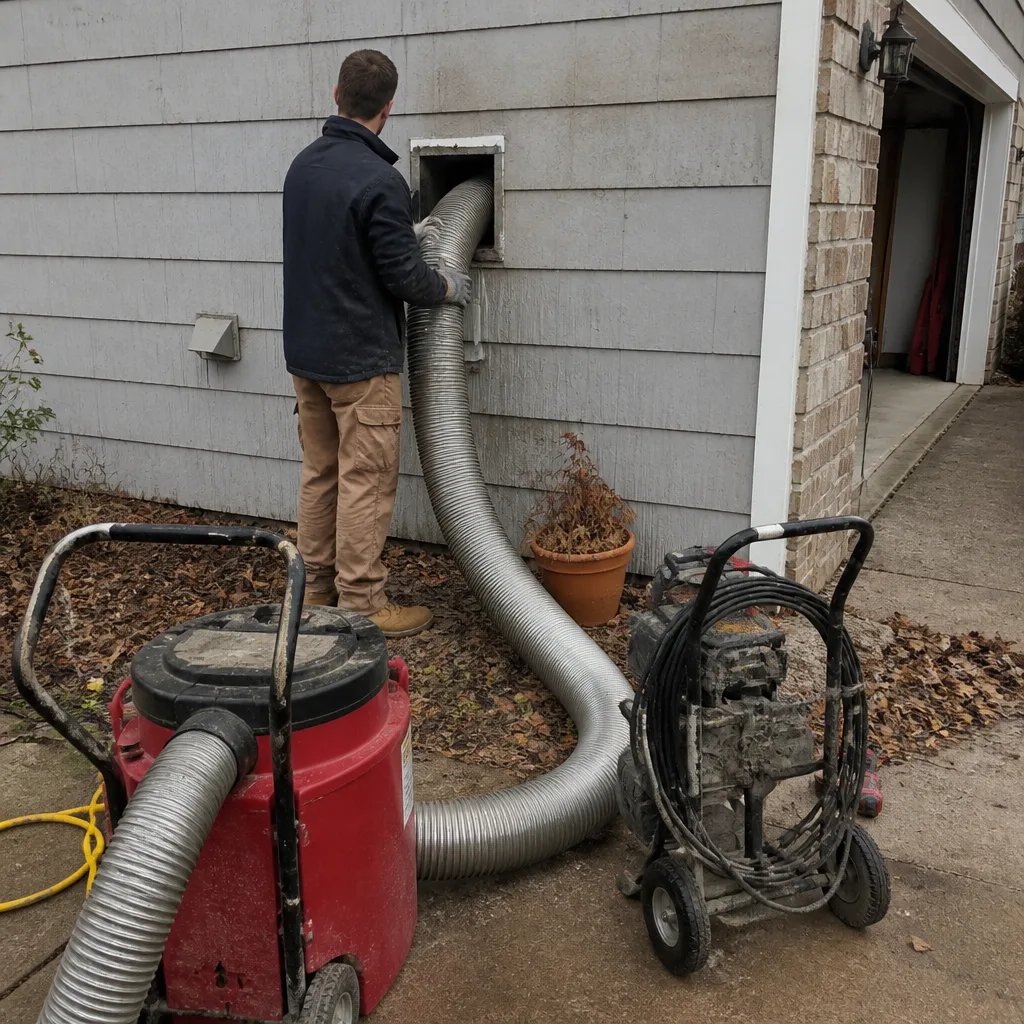 Before
 After
 Before
 After
 Before
 After