
Last updated November 16, 2026
 Whole-home duct cleaning
 Dryer vent cleaning
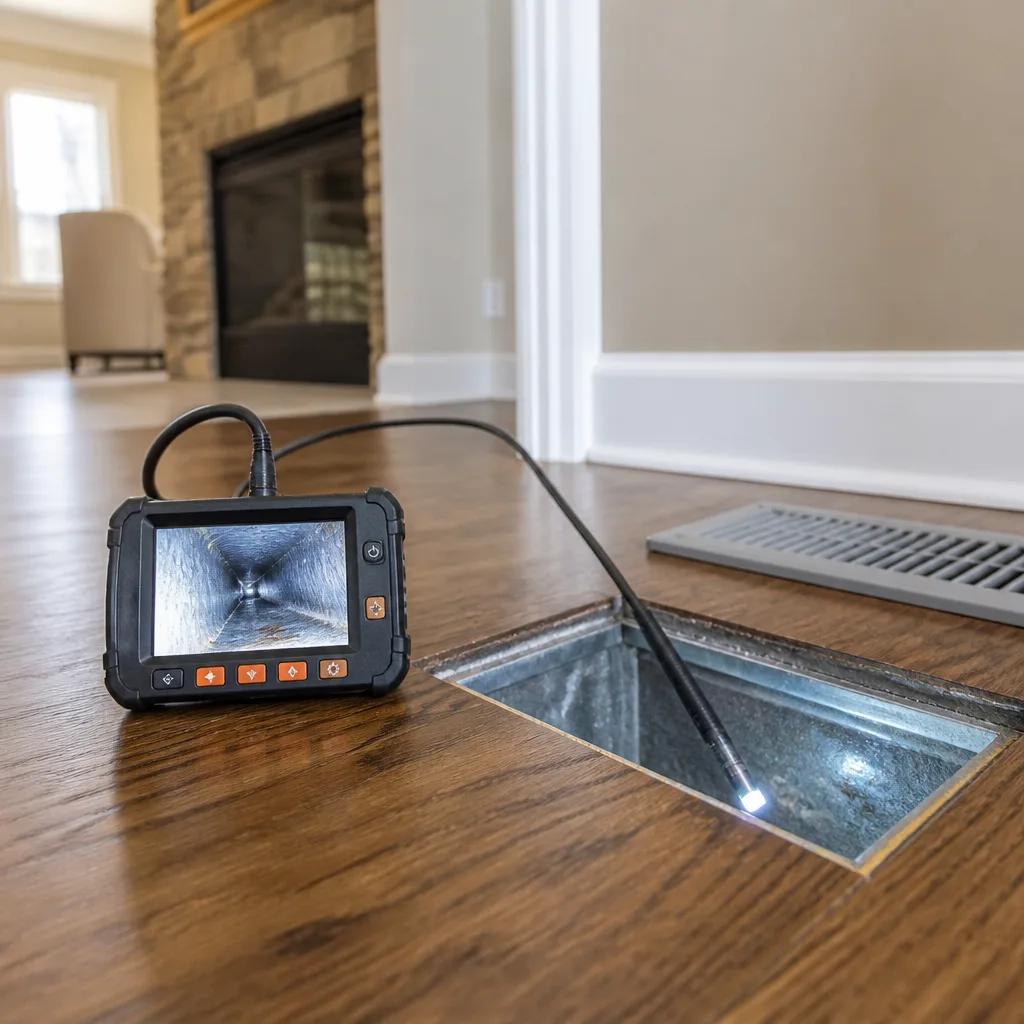 Camera inspection
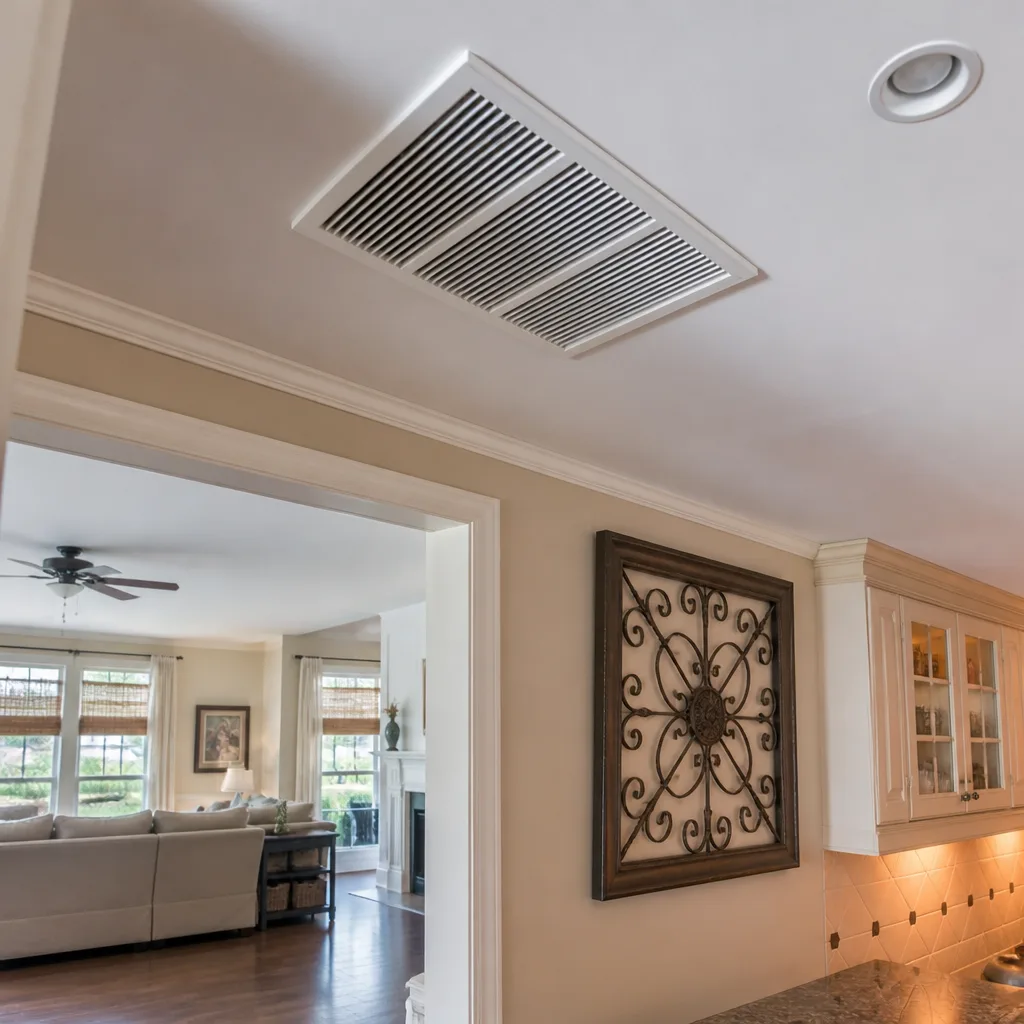 Sanitizing & deodorizing
Whole-system duct and dryer vent check with before-and-after photos - you see exactly what came out of your vents
That "$99 whole-house special" is a bait ad - the real number appears once they are in your hallway, or the "clean" is a shop-vac at the register. We photograph the inside of your ducts before and after instead.
Air Duct Cleaning Warning Signs: A Murfreesboro Homeowner’s Reference Guide
The warning signs most guides hand you are the dramatic ones: visible mold at a supply register, a mouse dropping on a return grille, dust hanging off a ceiling vent like lint. By the time you can see or smell those things, the problem has usually moved past cleaning into something that needs a diagnosis. The more useful skill is recognizing the quiet operational symptoms that show up weeks or months earlier, the ones most homeowners blame on the wrong cause. This reference guide walks through those early signals in plain terms, tells you which ones matter in Murfreesboro’s climate and housing, and explains how to separate a duct condition from an HVAC problem so you spend money in the right place.
Quick Answer
The most reliable air duct warning signs are operational, not visual: rooms that hold steady temperature gaps, dust at registers with a distinctive look and distribution pattern, odors that track with HVAC runtime, allergy symptoms that flare when the system runs, and debris settling in return pathways after renovation. If any of those symptoms line up with the sections below, a duct inspection makes more sense than another filter change. Laurel Air Duct handles air duct cleaning, dryer vent cleaning, and air duct repair across Murfreesboro with professional-grade tools, and estimates are free.
Styles & brands we work with
- Whole-home duct cleaning
- Dryer vent cleaning
- Camera inspection
- Sanitizing & deodorizing
Table of Contents
- Uneven Room Temperatures: Duct Condition or Sizing Problem?
- Dust Deposit Patterns at Your Registers and What They Say
- The Odor Taxonomy: What Different Smells from Vents Point To
- Allergy Symptoms That Correlate with HVAC Runtime
- Post-Renovation Signals in Murfreesboro’s Remodel Market
- The Return Pathway Problem Most Homeowners Miss
- Dryer Vent Warnings That Are a Safety Issue, Not a Cleaning Issue
- What to Check Before You Call Anyone
Uneven Room Temperatures: Duct Condition or Sizing Problem?
A room that runs a few degrees off the rest of the house is the single most common signal that homeowners attribute to the wrong cause. In practice, uneven temperatures split into two categories: duct problems and HVAC capacity problems, and they’re easy to tell apart with one direct measurement rather than guesswork.
The diagnostic step that separates them:
- Pick a day when the outdoor temperature is stable and the system hasn’t cycled off for at least fifteen minutes.
- Measure the air coming out of a supply register in the room that runs warm or cool, using an inexpensive infrared thermometer or a grill thermometer held near the vent.
- Measure a supply register in a room that feels right.
- If the problem room’s supply air is significantly closer to room temperature than the good room’s supply air, you’re looking at a duct problem – a disconnected run, a crushed flex duct, or a run that was never properly balanced. The system is producing conditioned air; it just isn’t getting there.
- If both supplies blow similarly cold or warm air but the room still doesn’t reach temperature, the issue is more likely sizing, insulation, or window load – a conversation for an HVAC contractor, not a duct cleaner.
In Murfreesboro’s older neighborhoods and in long ranch-style homes along the Memorial Boulevard corridor, we’ve seen plenty of cases where the “cold room” turned out to be a run that had disconnected at a joint in the attic. That’s an air duct repair item, not a cleaning item, and it’s why we offer both under one roof.
Dust Deposit Patterns at Your Registers and What They Say
Dust on a return grille is normal. The pattern it forms is not. Before you vacuum the vent cover for the fifth time this year, look at what’s actually collected. Three patterns tell three different stories.
Fine gray dust
Uniform, light gray coating that builds evenly across a supply or return grille within a few weeks points to a system that’s re-entraining particulate – meaning fine particles are circulating through the ductwork and being pushed out again rather than filtered out. In Middle Tennessee homes with forced-air systems running most of the year, this is often a filter-seal issue at the air handler, allowing air to bypass the filter entirely. A cleaning helps, but the fix has to include resealing the filter slot.
Fibrous debris
Larger, stringy or lint-like material, sometimes with a slight pink or blue tint, is usually insulation backing from inside the duct runs themselves. Lined flex duct that’s degrading internally will shed this with age. If you see it at more than one register, the ducts need to be inspected for damage, not just cleaned.
Black particulate
Dark, sooty residue near a return, especially combined with a slight HVAC-runtime odor, deserves attention. It can point to motor wear, belt dust on older systems, or candle soot that has been pulled into the return. It’s rarely a duct-only issue, and the correct response is to have the source identified before any cleaning takes place.
If you can describe the dust pattern to a technician before they arrive, you’ll save a diagnostic trip. Photos help.
The Odor Taxonomy: What Different Smells from Vents Point To
Not all duct odors are the same, and telling them apart matters because the required response differs. Here’s a working taxonomy of what Murfreesboro homeowners most often describe.
- Musty, damp-earth smell that’s strongest when the AC first kicks on. This points to moisture somewhere in the system – condensation on the evaporator coil, a saturated drain pan, or ductwork running through a humid crawlspace. Cleaning alone won’t resolve it if the moisture source remains.
- Burning or hot-dust smell during the first run of the season is normal and lasts only a few minutes. If it persists past the first cycle, or returns every cycle, it’s a signal worth checking – often a motor bearing, a failing blower, or debris close to the heat exchanger.
- Chemical or plastic odor appearing after renovation or after new furniture, flooring, or paint has been installed points to off-gassing that the HVAC has pulled into the return path and pushed through the supply side. In our experience this one is nearly always trackable to a timeline.
- Animal odor or a smell you can’t quite place – particularly near a return grille in a garage-adjacent or crawlspace-adjacent wall – warrants inspection for pest intrusion. If there’s carcass or nest material in a duct run, the space needs removal and disinfection, not just cleaning.
The counterintuitive point is this: a smell you can clearly identify is easier to solve than one you can’t. Vague, recurring odor complaints are one of the most common reasons homeowners call us after months of trying different filters.
Allergy Symptoms That Correlate with HVAC Runtime
General “does my air feel clean?” complaints are hard to act on. A symptom pattern tied to the system cycling is much more reliable. If you or another household member notices congestion, eye irritation, or throat scratchiness that starts within twenty to thirty minutes of the HVAC turning on and eases when it’s off, that’s a duct signal worth checking.
Two ways to test the correlation without buying equipment:
- Note the time your system typically cycles (most systems in a Murfreesboro summer run every twenty to forty minutes). Log when symptoms appear over five days.
- Compare that log to the weather log for the same period. If the symptoms spike on days when the system cycles more, you’re more likely looking at an indoor air issue; if they spike on high-pollen days regardless of runtime, seasonal pollen is the bigger driver, and filtration is the first lever.
The confusion most homeowners hit is that seasonal allergy spikes and duct issues look similar in March and April. Runtime-correlated symptoms separate them. If you can tell a technician “it’s not just spring – it’s when the system runs,” you’ve already done half the diagnostic work.
Post-Renovation Signals in Murfreesboro’s Remodel Market
Murfreesboro has had a heavy renovation market for years, from additions and kitchens in established neighborhoods to full interior updates in newer builds. That’s relevant to duct condition because construction air is not homeowner air. Three post-renovation signals matter more than any general “dust after demo” complaint.
Drywall dust infiltration
Drywall dust is fine, alkaline, and abrasive. It settles into return pathways and supply duct interiors that were not sealed off during the work, and once inside, it can cake on the interior walls. If you can run a finger inside a return and pick up a chalky white residue weeks after the renovation ends, the return system pulled that dust in.
Adhesive and finishing off-gassing
New flooring adhesives, cabinet finishes, paint, and joint compound all release volatiles for a period after installation. If the HVAC ran during that period, those compounds moved through the system and can leave a residual odor in duct interiors that lingers past the room-level smell.
Construction debris in the return
Small pieces of drywall, insulation, screws, and sawdust collect in the return plenums whenever a renovation opens a wall near a duct chase. When a return pathway is partly blocked by debris, the system pulls harder at whatever return is still open, and you get a “one return is louder than the others” complaint that is really a debris problem.
We do a fair number of Laurel Air Duct kitchen-pass cleanups after Murfreesboro renovations that end with a dusty return and a homeowner left guessing whether it was bad work or an unlucky house. Containment and HEPA filtration during the cleaning itself – using Abatement Technologies equipment – is the piece that stops drywall dust from cross-contaminating the rest of the home during service.
The Return Pathway Problem Most Homeowners Miss
Most duct cleaning conversations focus on the supplies. But returns do the pulling, and their condition determines what goes into the system in the first place. A clogged, leaking, or undersized return creates several downstream symptoms that masquerade as other problems: high static pressure, noisy operation, weak supply airflow, and premature filter saturation.
Signs your return side is the actual problem:
- The system sounds louder than it used to, especially at one specific grille.
- New filters load up in two or three weeks instead of the two or three months you’d expect.
- You feel noticeable suction at a return grille but weak airflow at the supplies.
- Vacuuming the return grille leaves a dark ring on the cover within days.
In Murfreesboro houses with attics that see a lot of summer heat, return runs in the attic can be marginally installed flex duct that has sagged or been crushed. A crushed return is a duct repair before it’s a cleaning item. We check the return side first on every estimate because it changes the scope of the work.
Dryer Vent Warnings That Are a Safety Issue, Not a Cleaning Issue
While this guide focuses on air ducts, dryer vent warnings belong here because the consequence is different in kind. A clogged air duct hurts air quality and comfort. A clogged dryer vent hurts air quality and comfort, and it also traps heat. The U.S. Fire Administration links clogged vents to thousands of residential fires annually, which is why we treat dryer vent cleaning as a dedicated safety service rather than an add-on.
Warning signs that you are past the “cleaning is due” stage:
- Clothes that used to dry in one cycle now need two.
- The dryer exterior or the wall behind it gets noticeably hot to the touch during a cycle.
- A burning or scorched smell during operation (stop using the dryer and call us).
- Visible lint accumulation behind the dryer or around the vent exterior flap, beyond a light fuzz.
- A vent run that was extended during a remodel and now has extra elbows or a longer path than originally designed.
Homeowners in Murfreesboro often assume the dryer vent is out of sight and therefore out of mind. It is out of sight. It’s not out of mind once the warning signs line up.
What to Check Before You Call Anyone
A short pre-call checklist helps a technician quote you accurately and saves you from paying for a diagnostic step you could have done yourself.
- Photograph the deposit at each supply and return grille that bothers you.
- Note the filter size, type, and how long it lasts before visibly loading.
- Log temperature differences in problem rooms at one specific time of day.
- Note when odors appear (first cycle, all the time, after renovation).
- List any renovation work that happened in the past twelve months, even small.
- Check the dryer vent warning signs above and say yes or no on each.
- Measure return airflow by feel at each return grille; note any that feel weak.
Bring that list to the estimate and the scope of work gets scoped correctly the first time. Professional-grade equipment matters, but it matters more when the technician arrives knowing what they’re looking for. You can read more about how we approach these visits by looking at the air duct cleaning process we run.
Common Mistakes to Avoid
- Chasing air quality complaints with filter upgrades alone. A better filter helps, but if particulate is being re-entrained from inside the ductwork, a premium filter just catches more of what should never have been loose. Identify the source first.
- Assuming an expensive HVAC call is the answer to uneven temperatures. Before scheduling a technician, run the supply-air temperature comparison above. A crushed duct run can mimic a failing system for months.
- Vacuuming register grilles and calling it duct cleaning. Grille vacuuming is cosmetic. The duct interior is where the deposits live, and it takes rotary-brush equipment from a system like Rotobrush to actually remove them.
- Booking the cheapest quote you find in Murfreesboro without asking what equipment is used. Ask specifically: rotary brush, or shop-vac? HEPA containment, or open air? The answer to those two questions explains most of the price gap.
- Letting a renovation finish without checking the return side. Drywall dust and debris in return plenums are the most common post-renovation duct issue in Murfreesboro, and they’re cheap to fix at the right stage.
- Treating dryer vent cleaning as a “while you’re here” add-on. A clogged vent is a fire-safety item that deserves its own scheduled appointment and its own inspection. Don’t tag it onto a duct cleaning and hope it gets done.
- Ignoring odors that track with runtime. A smell that appears on every cycle and disappears when the system is off is a signal, not a mood. Get it identified rather than masked with plug-ins or sprays.
See the difference
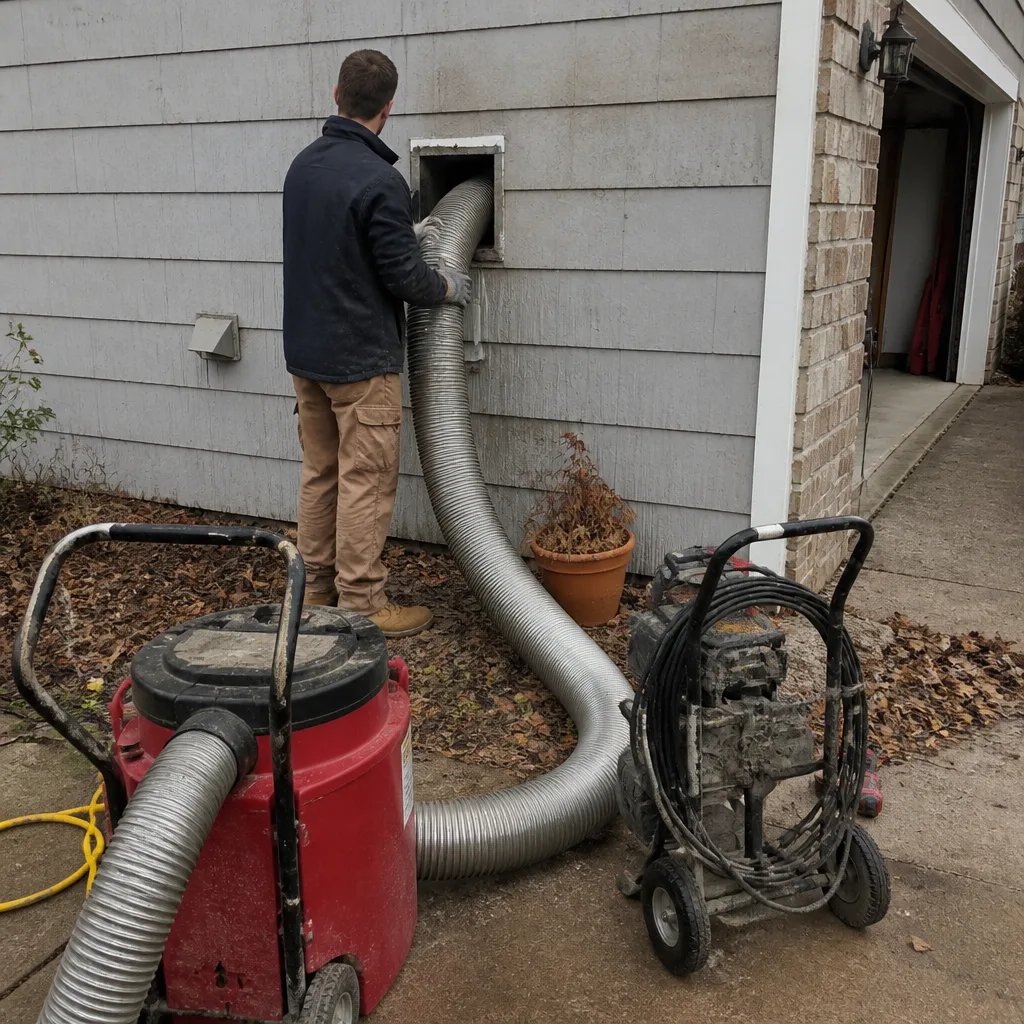 Before
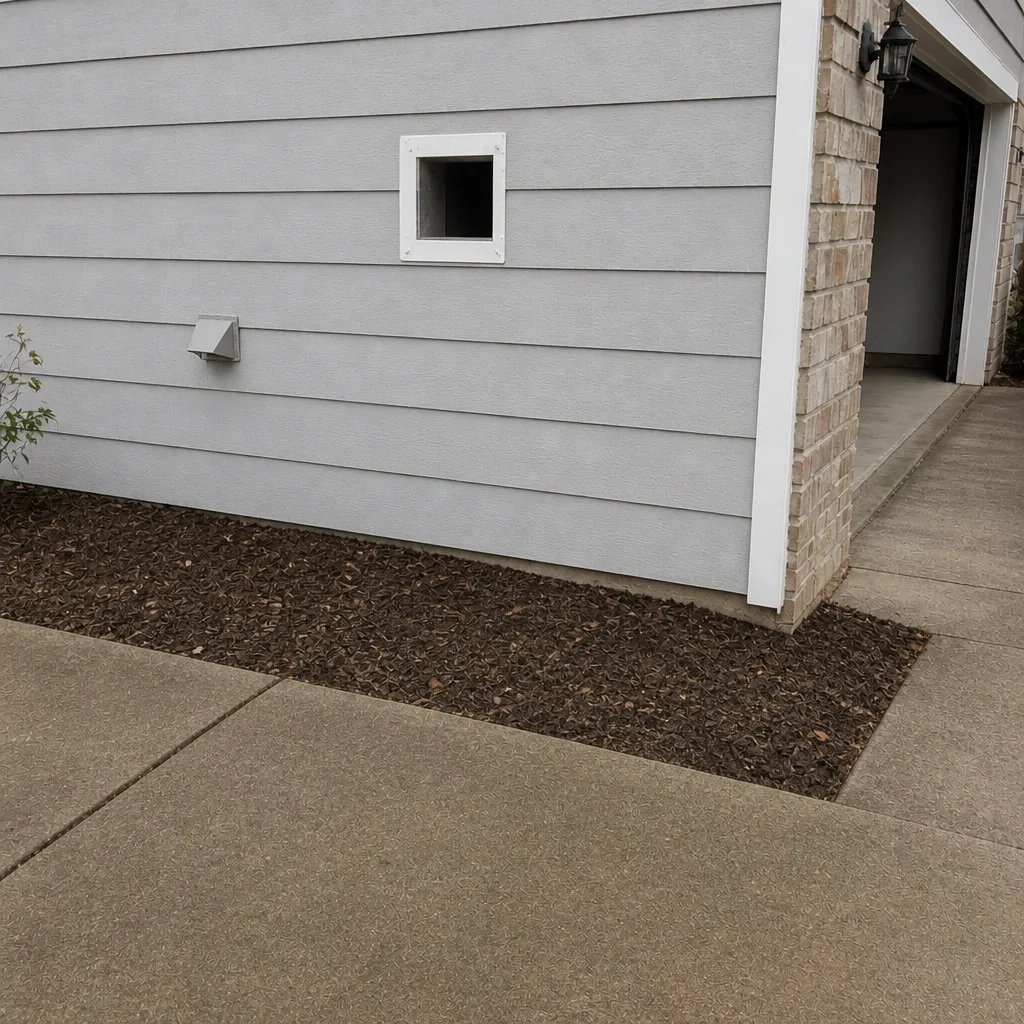 After
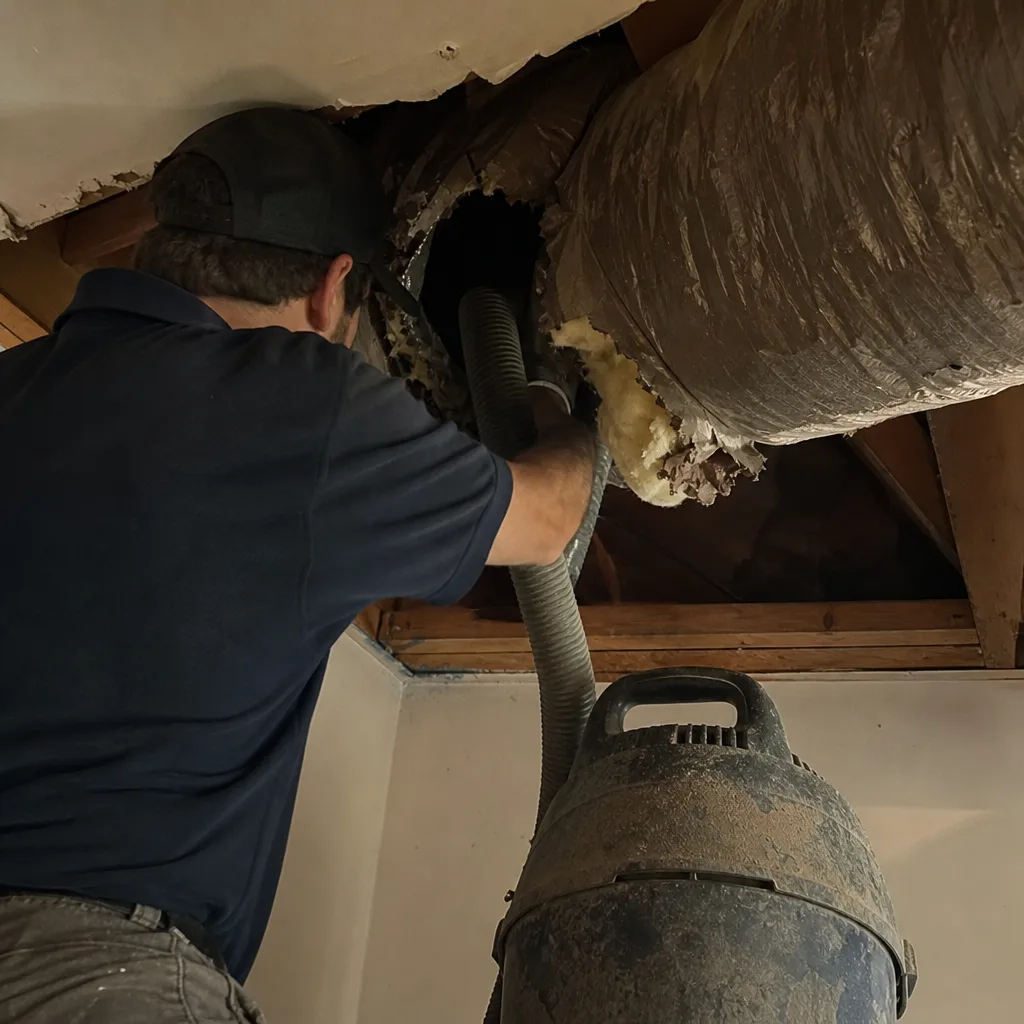 Before
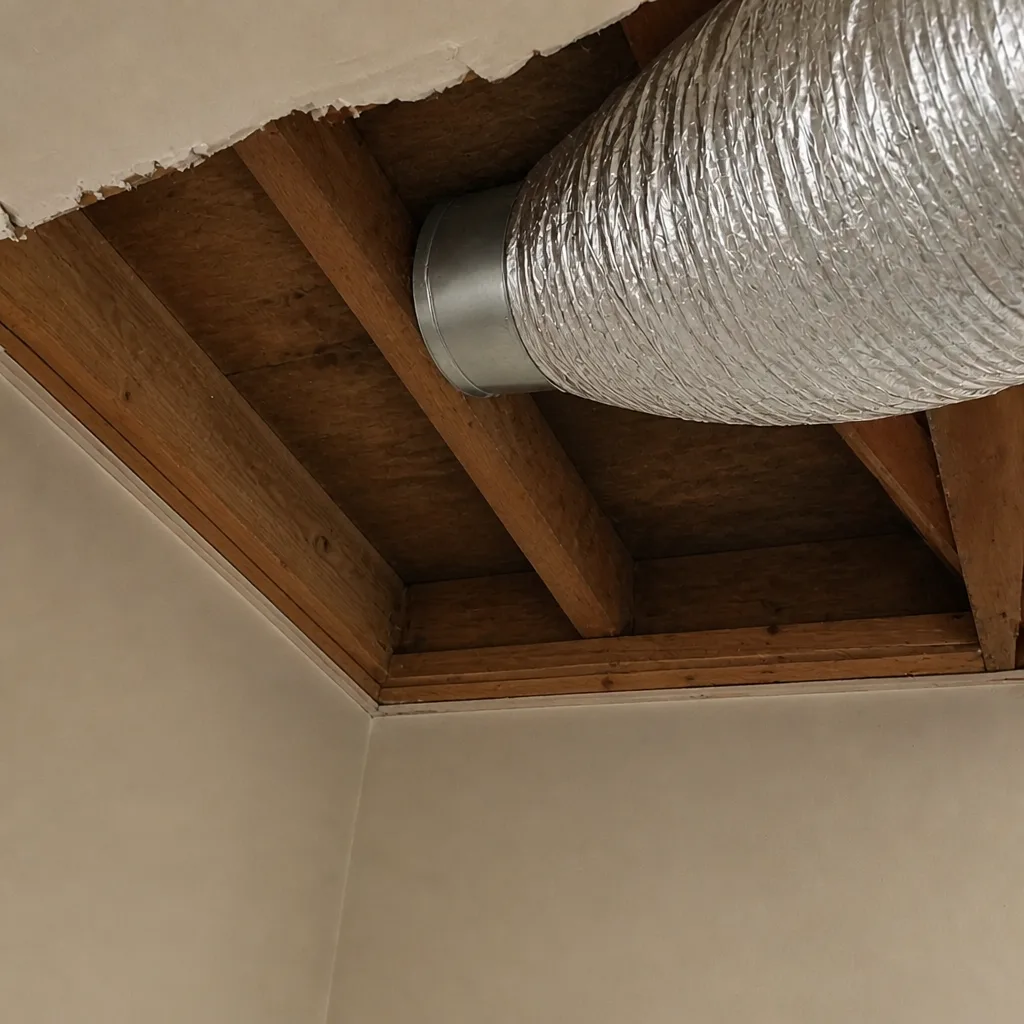 After
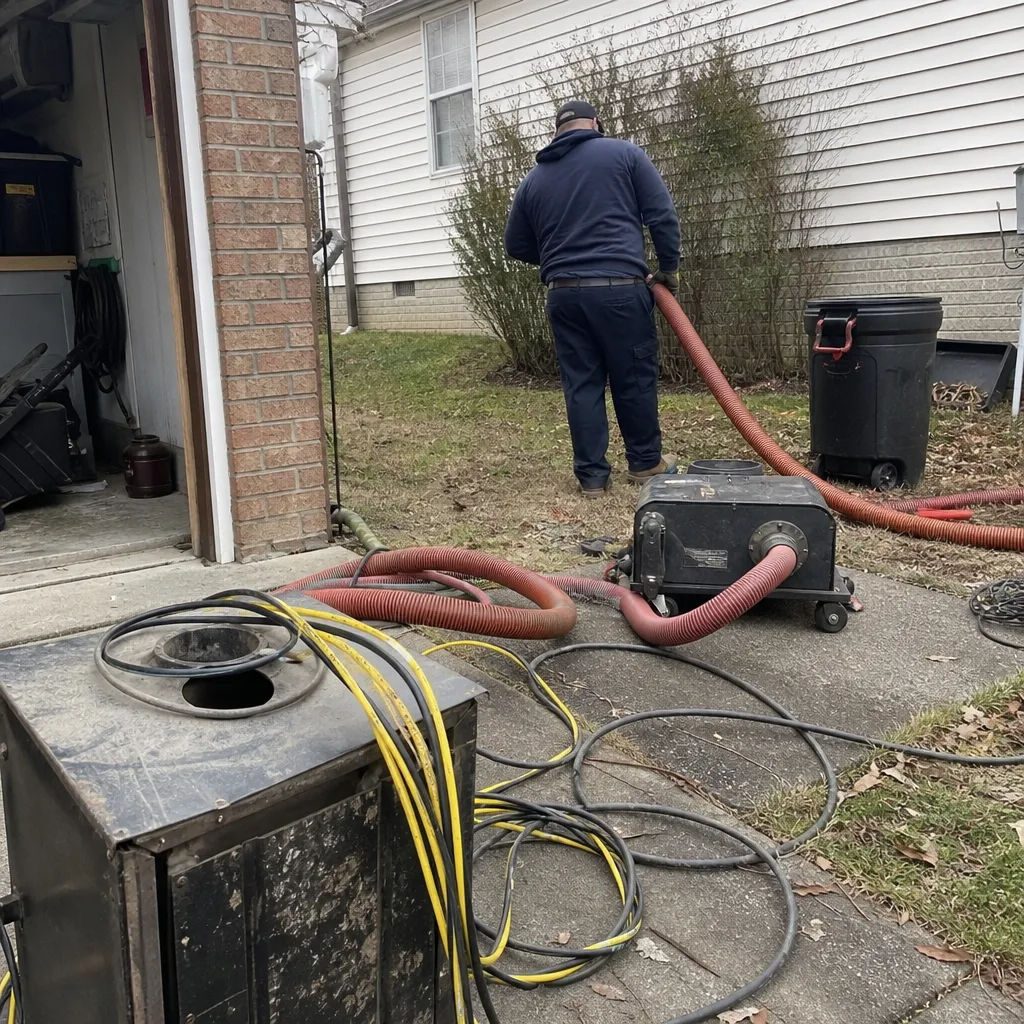 Before
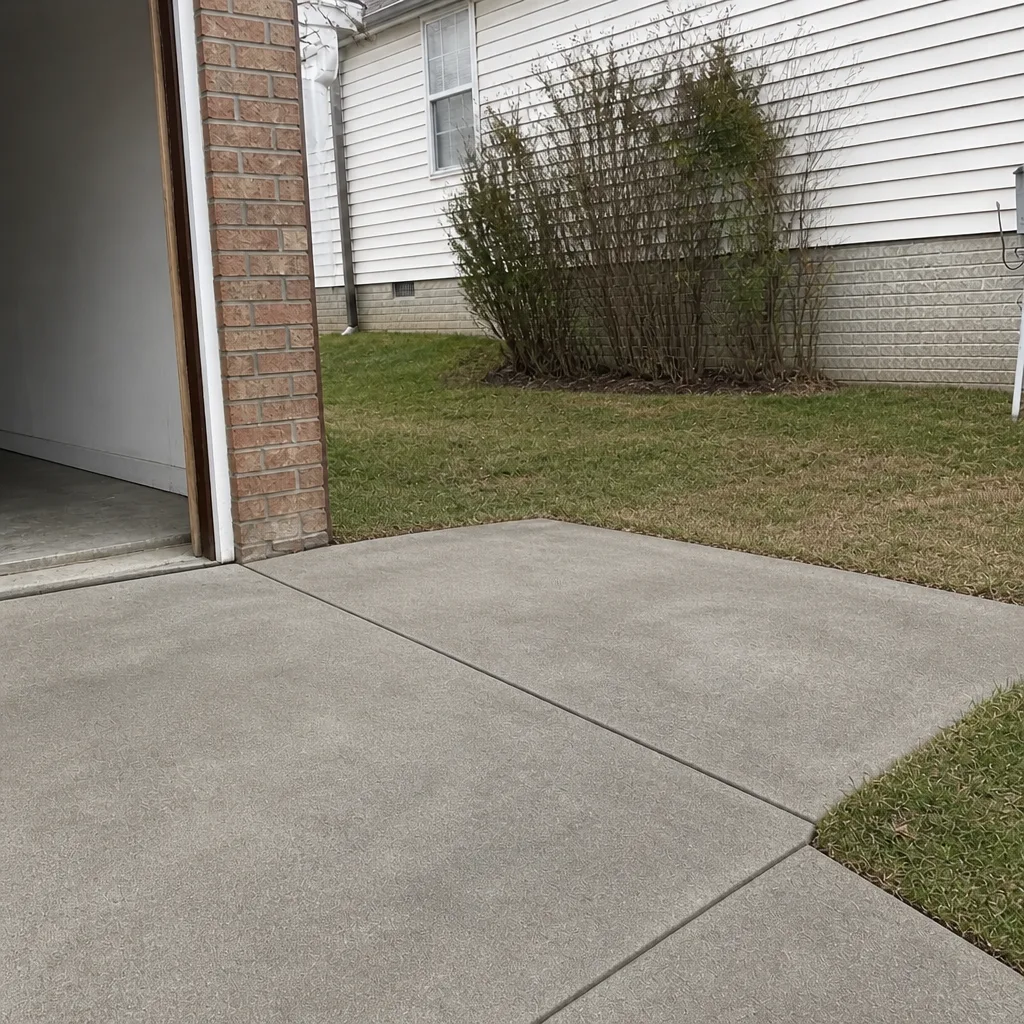 After
When to Call a Professional
Call a professional when two or more of the signals in this guide line up, when you can’t confidently separate a duct condition from an HVAC sizing problem with the temperature test above, when a renovation in the past twelve months left visible debris in a return pathway, or when the dryer vent checklist turns up any hot-to-touch or scorched-smell items. Those are the cases where another month of waiting converts a cleaning into a repair, or converts a repair into a safety problem. Laurel Air Duct offers free estimates in Murfreesboro – call (888) 378-8438. We answer 24/7. Fast dispatch from 7am to 7pm, Sunday through Friday. We’ll scope the work correctly the first time, using professional-tier equipment from brands like Rotobrush and Nikro, with HEPA containment on the truck – and where post-cleaning filtration makes sense, we source options from Nolensville-area clients already rely on, alongside Honeywell and Aprilaire products. If it’s broken, we fix it. One specialist for cleaning, repair, and dryer vent safety.
Frequently Asked Questions
Whole-system air duct cleaning in Murfreesboro typically runs in the range that reflects the number of runs, the accessibility of the system, and whether any repair work is needed alongside the cleaning, and we quote it per system after a walkthrough so nothing is added later. We don’t quote per-vent prices because per-vent pricing is where bait-and-switch estimates tend to happen. Call (888) 378-8438 for an exact quote – estimates are free, and the written estimate sets the final price.
Cheap quotes usually come from one of three shortcuts: shop-vac-grade equipment instead of a rotary-brush system, no HEPA containment, and no willingness to stop and repair a breach they find mid-clean. We run Rotobrush and Nikro equipment with Abatement Technologies containment, and we scope the work before it starts. If a quote looks too good to match the equipment you see in the truck, ask what they’re using. The answer tells you most of what you need to know.
Ask for before-and-after photos of your own ducts. If the technician can’t produce them from inside your system, the work either wasn’t done properly or wasn’t documented. We photograph the ducts we clean, and we walk the homeowner through what we found.
Most Murfreesboro homes don’t need annual cleaning, but the right interval depends on how the house uses the system. Homes with pets, recent renovations, or heavy allergies tend to need it more often than a clean, low-occupancy home. The warning signs in this guide are a better trigger than a calendar. When they line up, book it; when they don’t, wait.
Sometimes, but not if the moisture source is still active. If the musty smell is coming from condensation on the coil, a saturated drain pan, or damp ductwork running through a humid crawlspace, cleaning alone won’t resolve it because the moisture keeps feeding the problem. We scope the cleaning and identify whether the moisture is coming from the duct system or from the HVAC side, and we’ll tell you which conversation you need to have next.
Call when two or more signs line up, or when any single sign is a hygiene or safety item rather than a comfort item – odors, animal intrusion, dryer vent heat, or debris after renovation. Waiting on a single comfort complaint is fine; waiting on two or more together usually converts a cleaning into a repair. Call (888) 378-8438 for an exact quote – estimates are free.
The Bottom Line
Air duct warning signs are easier to read than most homeowners expect once you know where to look. Uneven room temperatures, distinctive dust patterns at registers, odors that track with HVAC runtime, symptoms that appear when the system runs, and post-renovation debris in return pathways – these five signals do most of the work. The dramatic signs (visible mold, pest evidence, a scorched smell from the dryer vent) matter, but they’re late indicators, and by the time they show up you’re deciding between a cleaning and a repair rather than between “now” and “later.” Trust the quiet symptoms. Photograph them, log them, and bring them to a free estimate before another season passes.
Written by the team at Laurel Air Duct.